test
asdasd
Explore the chaotic ending of 'House of the Dragon' Season 3 and its implications on the characters and upcoming seasons.
Explore the franchise
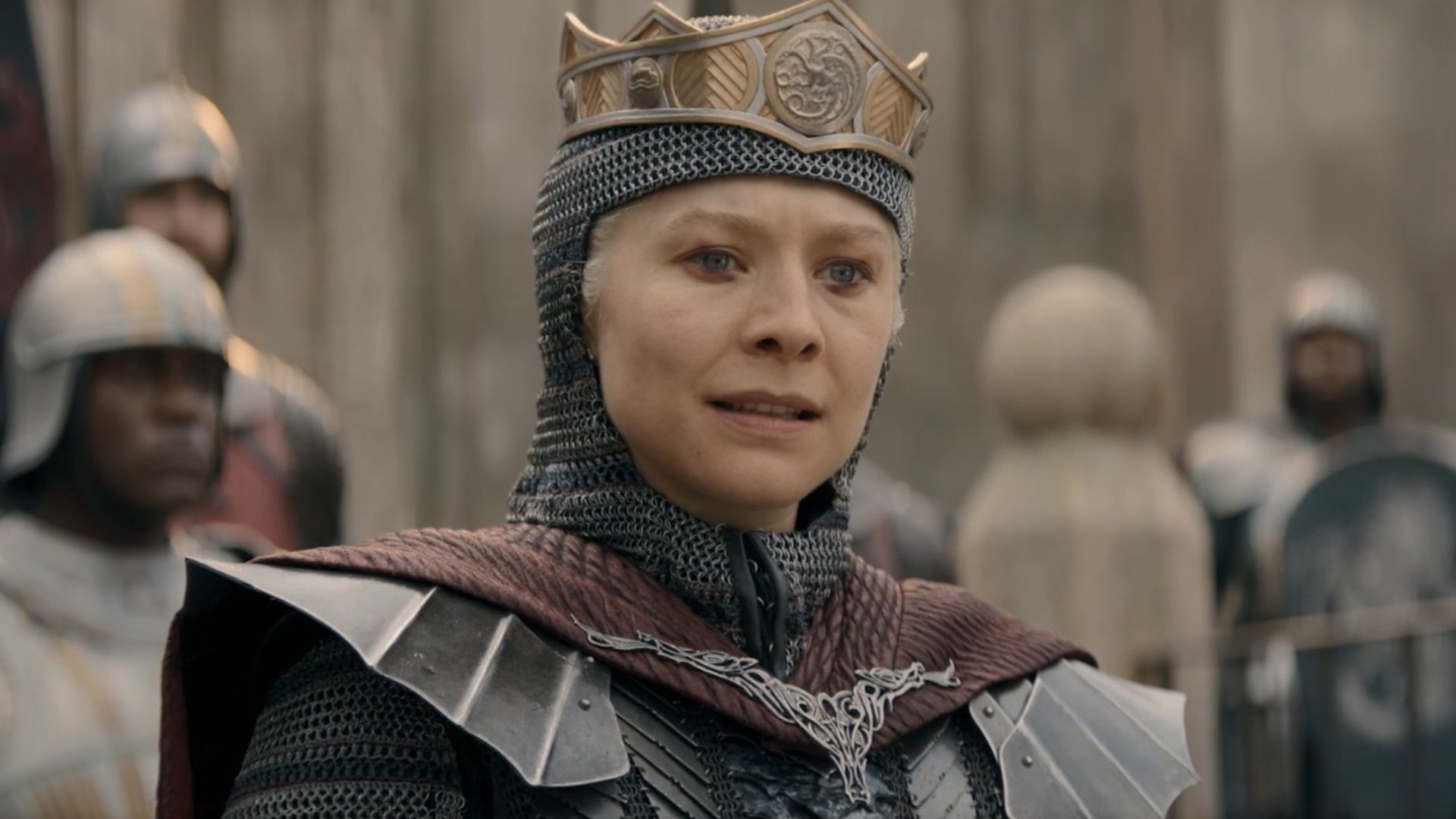
In simple terms, the Season 3 finale of House of the Dragon culminates in the bloody Battle of Tumbleton, which leaves both the Greens and Blacks irreparably wounded. Major character fates are decided through treachery and ambition, leading to a significant shift in power dynamics and setting the stage for future conflicts. Rhaenyra faces escalating dissent among her supporters, as her proclamations of Targaryen supremacy fail to resonate with the beleaguered populace of King’s Landing.
The climactic battle marks a pivotal moment in the ongoing war for the Iron Throne, characterized by chaos and betrayal. Both the Greens, led by Ormund Hightower, and the Blacks, under Daemon Targaryen's command, engage in a fierce conflict that quickly spirals out of control. Compounding the chaos, Ulf White's dragon, Silverwing, unexpectedly turns on both sides due to its rider’s antics, resulting in heavy casualties among innocent bystanders and soldiers alike. This moment starkly illustrates how thirst for power can lead to indiscriminate suffering.
As the battle unfolds, key characters are faced with pivotal decisions that impact their fates. Lord Ormund Hightower of the Greens is killed during a duel with Roderick Dustin of the Blacks, who seeks revenge before meeting his own demise. This exchange not only signals a heavy loss for the Greens but also alters the momentum of the war.
Rhaenyra Targaryen, the central figure of the Blacks, shifts her strategy to attempt to garner support from the common folk by invoking a Targaryen prophecy. However, this approach fails to gain traction, as the starving citizens of King’s Landing show no interest in her divine claims. Her desperation highlights a significant character shift; initially a confident leader, Rhaenyra appears increasingly isolated as she grapples with the realities of her position.
Conversely, Daemon’s tactics diverge drastically from his intended moral code when he reluctantly orders the death of children to facilitate his forces' entry into the city. This gruesome act, although strategic, tarnishes Rhaenyra’s reputation and reflects a further escalation in the war’s brutality, raising questions about the morality of her reign. Despite striking a blow against the Greens, the tactical victory comes at a tremendous moral cost, encapsulating the theme of pyrrhic victories.
One of the most shocking betrayals comes from Ulf White, whose participation in the battle blatantly undermines the Blacks. Although he was initially expected to fight alongside Rhaenyra’s forces, his dragon attacks both factions indiscriminately, escalating the chaos on the battlefield. This act of betrayal epitomizes the disintegration of trust among allies and illustrates the precarious nature of allegiances during war.
On another front, Aemond Targaryen’s relationship with Aegon rapidly evolves from rivalry to uneasy partnership. After being betrayed himself, Aemond seeks forgiveness and stands ready to assist Aegon in reclaiming their former power. Their paths will likely intertwine in upcoming seasons, suggesting a possible coalition to gather allies and rebuild their forces against the Blacks.
Confirmed events reveal a bleak landscape for the Targaryens as the chaos of battle leads to immediate losses and long-term consequences for both factions. Rhaenyra’s failure to connect with her subjects signifies a looming crisis for her rule, setting a stage of unrest that could erode her support base.
Plausibly, the shifting dynamics suggest that Rhaenyra's increasing desperation may drive her to take even more drastic measures in future episodes. The sense of isolation coupled with the haunting weight of her decisions compels a narrative steeped not just in the pursuit of power, but also in personal loss and consequential regret.
With respect to future plot developments, several questions remain open-ended. The fate of Daeron Targaryen is left ambiguous, as he is not found amidst the chaos, prompting speculation on whether he aligns with Aegon and Aemond or pursues his own agenda. Similarly, Rhaenyra’s political maneuvers and the potential for new alliances among unaligned dragons and characters raises anticipation for the forthcoming season.
Helaena Targaryen’s tragic demise adds emotional weight to the overall narrative. Her death—long foreshadowed—reveals the human toll of conflict that even blessed houses cannot escape. Could her fate further unravel the already fraying loyalties within the Targaryen family?
The conclusion of House of the Dragon Season 3 marks a turning point, establishing a fractured landscape as former alliances crumble under the weight of betrayal and ambition. Rhaenyra’s transformation from a confident leader to a desperate monarch signals a critical shift in her character arc. As power dynamics fluctuate rapidly, the groundwork for Season 4 is laid with both promise and peril, foreshadowing further upheavals in the battle for the Iron Throne.
The aftermath of the Battle of Tumbleton serves not only as a backdrop for character development but also as a commentary on the unpredictable ramifications of war. The choices made here will resonate throughout the upcoming episodes, as both factions struggle to regain footing in a war that has only just begun. For deeper analysis, check out our coverage on Rhaenyra's transformation and key character deaths that will shape the future of the series.
Ending explanation
EpisodeBreakdown may use automated tools to assist research, drafting, and formatting. Published pages are governed by our editorial and corrections policies, and source links are shown when they are available in the article record.
Discovery source: MovieWeb. The source identifies where the topic was discovered; EpisodeBreakdown is responsible for the commentary published on this page.
Reader response
Reactions and poll results are based on real reader responses. No account is required.