Homelander's Ending In The Boys Finale Is What Daenerys Deserved
In a world where superheroes aren't always the good guys, The Boys has carved a unique niche in storytelling, mixing sharp social commentary with dark humor and action. As the series wraps up, Homelander, portrayed by Antony Starr, receives an ending that feels remarkably more satisfying than some of the more controversial conclusions found in similar narratives, like that of Daenerys Targaryen from Game of Thrones. This article delves into Homelander's finale, setting up the story, characters, and where things might go next.
Quick Summary
The final season of The Boys sees the full realization of Homelander’s complexity—illuminating his deeply flawed character while delivering a conclusion that aligns with his actions throughout the series. While Daenerys was left with an ending that disappointed many fans, Homelander’s fate reinforces the show’s themes of power, corruption, and moral ambiguity.
Story Setup
Since its inception, The Boys has focused on a world populated by heroes who increasingly resemble the very villains they were meant to combat. In this dystopian society, superpowers often lead to arrogance and a complete disregard for human life. Homelander, the most powerful of these 'heroes,' embodies this theme with his blatant disregard for morality, showcasing the dangers of absolute power.
The series begins with a closer look at the corrupting influence of fame and power as Homelander's character is developed through interactions with the titular group, The Boys—led by the relentless Billy Butcher. The brewing conflict between The Boys and the Seven, the elite group of superheroes led by Homelander, sets the stage for the series’ thrilling climax.
Main Characters
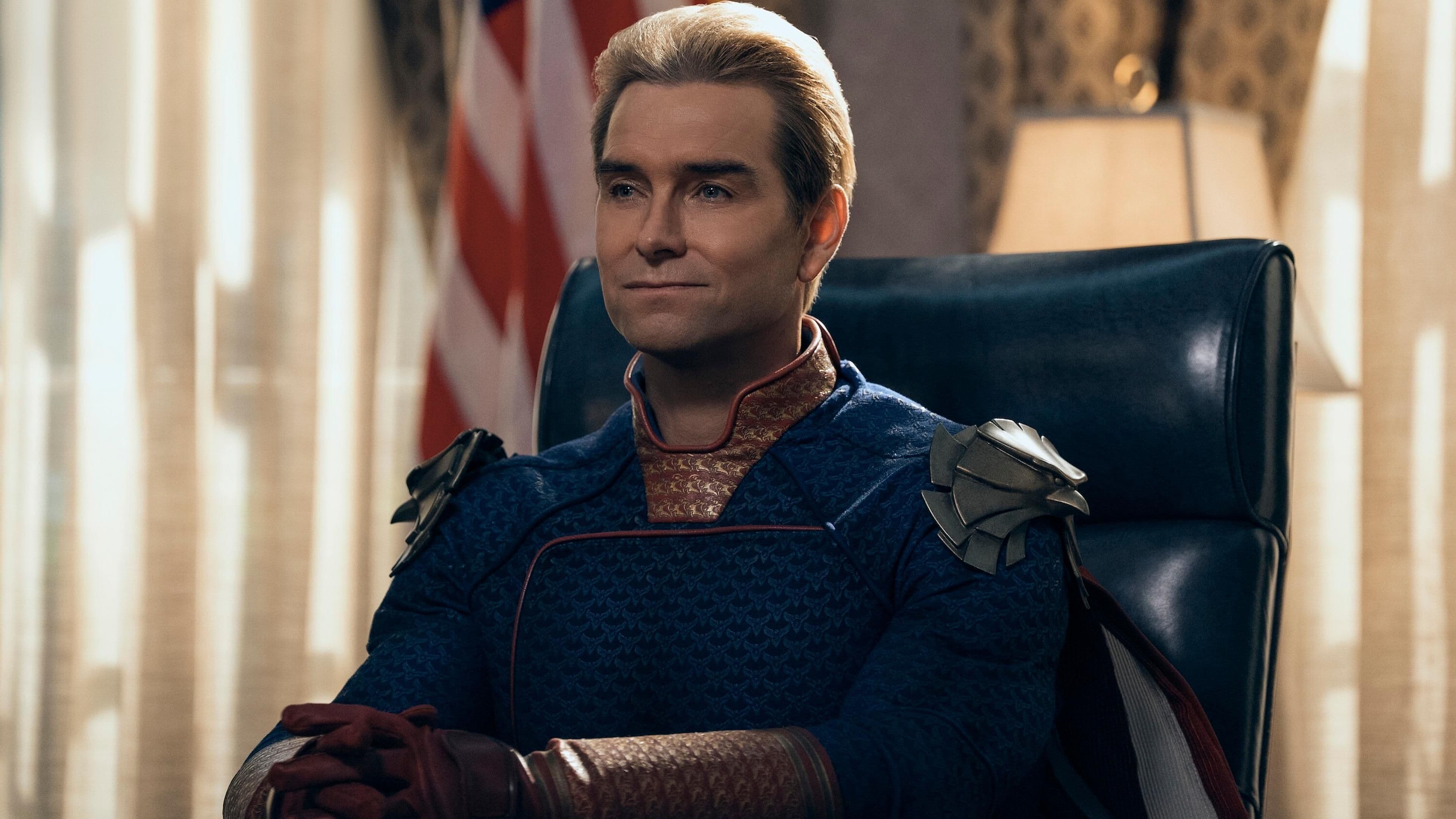
- Homelander: The central antagonist, a superhero with god-like abilities. His charm masks a manipulative and sadistic nature.
- Billy Butcher: The driven leader of The Boys who seeks vengeance against superheroes, particularly Homelander.
- Starlight: A newer member of the Seven who represents idealism and morality in stark contrast to Homelander.
- Queen Maeve: Another member of the Seven, caught between her own moral compass and the corrupt system she has been a part of.
Ending or Latest Episode Explained
In the finale, Homelander’s fate is not simply about triumph; it addresses the long-term consequences of his unchecked power. While many viewers anticipated a form of redemption or reckoning, the story instead emphasizes the establishment of a cycle that mirrors real-life power struggles.
Homelander, faced with his reckoning, is not vanquished in the traditional sense. Instead, he manages to retain a significant level of control, showcasing the very core message of The Boys—power can corrupt even the most heroic intentions, and those who have the ability to affect change often perpetuate the very issues they claim to fight against.
This ending starkly contrasts with how Daenerys Targaryen’s storyline concluded, where her descent into tyranny felt rushed and out of character for many fans. While Daenerys’ arc served to illustrate the fine line between heroism and villainy, Homelander's fate authentically captured the inexorable nature of his character, allowing viewers to grapple with the complexities of moral ambiguity rather than offering a neatly wrapped resolution.
What Could Happen Next
The conclusion of The Boys leaves room for speculation about future narratives. If the story continues or expands through spin-offs or sequels, potential arcs could surface around the remaining characters—especially Starlight and Butcher—who may shift their perspectives in light of Homelander's grip on power.
Additionally, the increasing discontent with superheroes could lead to another uprising within the storyline or even introduce new characters who challenge the status quo. The manipulation of public perception by Homelander might serve as a potent commentary on contemporary issues, making it easy to explore socio-political narratives similar to current events.
Why This Is Trending
Homelander’s ending has sparked ardent discussions across social media platforms and published forums, drawing comparisons between him and Daenerys. The resonance of The Boys finale comes from its willingness to confront uncomfortable truths about power and corruption, allowing audiences to reflect on societal issues mirroring real-world scenarios.
Moreover, as fans dissect their feelings about character endings, analyzing what makes a 'deserved' ending invites deeper conversations about storytelling and character development within modern television. This trending discussion prompts viewers to think critically about heroic narratives and the traits that define true heroism or villainy.
Final Thoughts
As fans reel from the finale of The Boys, it becomes clear that the narratives of powerful characters like Homelander and Daenerys invite further analysis and insight into morality and consequences. While Daenerys' end left many dissatisfied, Homelander's conclusion feels cohesive, aligning with the dark themes the series has conquered since the start.
In a world where everyone craves closure, The Boys and its depiction of Homelander offer an unsettling yet thought-provoking exploration of consequences that reflect the complexities of real life. This tale continues to resonate, proving that sometimes, protagonists and antagonists are not as easily defined, nor should their endings be.