Hollywood's Animation Paradox: A Call for Respect
The animation industry has become a cornerstone of Hollywood, contributing significantly to its revenue and cultural impact. Yet, the question remains: why does the industry fail to grant this vibrant art form the respect it deserves? Insights from prominent figures, such as Travis Knight, CEO of Laika, provide a lens through which we can examine this ongoing struggle.
Quick Summary
This analysis delves into the perceptions of animation within Hollywood, focusing on remarks from industry leaders like Travis Knight. It addresses the lack of appreciation for animation's artistic contributions and probes potential reasons for this oversight.
Story Setup or Current Context
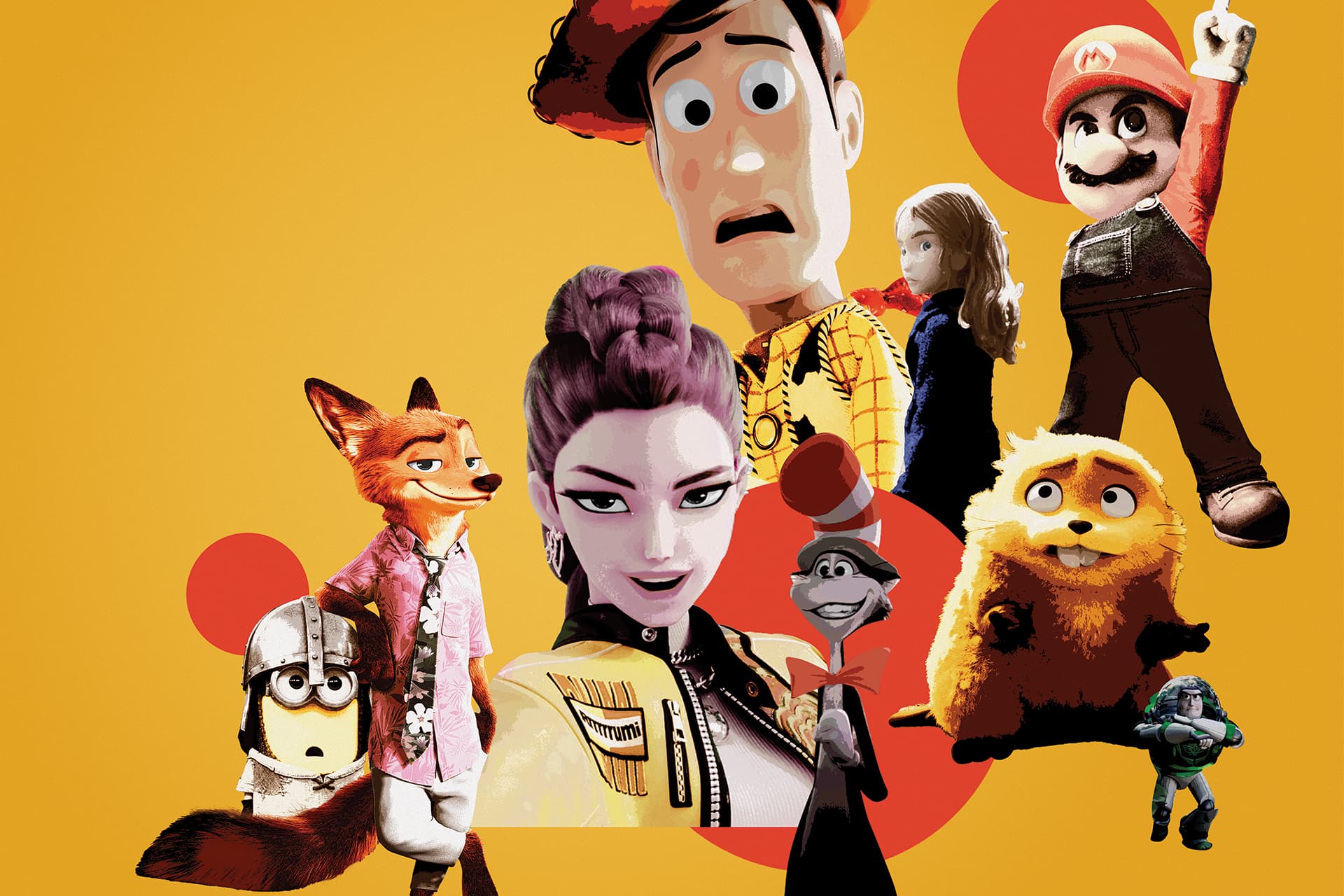
The onset of the digital age has dramatically transformed the landscape of entertainment. Animation, once seen primarily as a form for children, has evolved into a multifaceted medium that appeals to all demographics. Movies like "Toy Story" and "Coraline" illustrate how animation can navigate complex themes while capturing audiences' imaginations. Despite this, a dissonance persists in how the industry perceives animated content, often relegating it to a secondary status compared to live-action films.
Main Characters or Key People
-
Travis Knight: The CEO of Laika and a prominent voice in advocating for animation's respect. A notable figure in the industry, he represents a growing movement among creators pushing for recognition of animated films as legitimate artwork deserving of serious accolades.
-
Phil Knight: Travis Knight's father, co-founder of Nike, whose influence may have aided in shaping Travis's career path within a competitive industry.
-
Oscars: The Academy Awards serve as a benchmark for industry recognition, highlighting the ongoing tension between animated and live-action categories.
Ending, Latest Episode, or Announcement Explained
This section is based on currently available public information, focusing on Knight's reflections at the 2020 Oscars Nominees Luncheon. His experiences underscore the disconnect between animation's popularity and the respect it receives during critical awards circuits. Despite nominations, there's a pervasive notion that animated films are often undervalued in comparison to their live-action counterparts.
What Could Happen Next
As the industry continues to evolve, we may see a shift in how animation is perceived. The ongoing dialogue, fueled by influential voices like Knight, could lead to greater recognition for animated productions. Potential developments may include:
- Increased funding for animated projects that tackle serious themes.
- More categories in major film awards to reflect the diversity within animated storytelling.
- A growing number of collaborations between live-action and animation studios, merging techniques and broadening narrative possibilities.
Why This Is Trending
The conversation around animation's status has gained momentum due to its commercial success, especially in the wake of record-breaking releases and streaming service investments in animated projects. High-profile executives advocating for respect and recognition amplify this conversation, making it a hot topic in industry circles and among audiences.
Final Thoughts
As we look towards the future of animation in Hollywood, it’s clear that change is necessary for the industry's evolution. With its undeniable impact on culture and storytelling, animation deserves a seat at the table. Ongoing discussions, like those led by Travis Knight, can pave the way for a more inclusive and respectful recognition of this dynamic art form.
Frequently Asked Questions
Q: Why is animation often not respected in Hollywood?
A: Animated films have traditionally been viewed as products for children, which can lead to undervaluation compared to live-action films that tackle serious themes.
Q: Who is Travis Knight?
A: He is the CEO of Laika, known for producing acclaimed animated films like "Coraline" and "ParaNorman." Knight is a vocal advocate for the importance of respecting animated works.
Q: What changes are being proposed for recognizing animated films?
A: Suggestions include more categories in award shows, increased funding for serious animated projects, and collaborations between live-action and animation studios.
Q: How has the digital age impacted animation?
A: The digital age has broadened the scope and complexity of animated films, making them more appealing to diverse audiences and challenging outdated perceptions.