test
asdasd
Learn how Nic Pizzolatto's novel Galveston shaped HBO's acclaimed series True Detective.

In simple terms, HBO's acclaimed anthology series True Detective was initially envisioned as a sequel to Nic Pizzolatto’s 2010 crime novel Galveston. This transformation has profoundly influenced the series' narrative architecture and character development. The ambitious structure and rich psychological themes present in True Detective can be traced back to the literary roots Pizzolatto laid out in his novel.
Before venturing into television, Nic Pizzolatto was recognized for his literary prowess, having published the short story collection Between Here and the Yellow Sea. Galveston, his first novel, introduced readers to morally complex antiheroes and existential themes, laying the groundwork for what would become True Detective. While Pizzolatto had originally intended to expanded on the universe he created in Galveston, he quickly realized the scope demanded something far more ambitious.
As development progressed, Pizzolatto found that adapting a single novel for television would not suffice. The narrative complexity, including shifting timelines and multiple viewpoints, necessitated a format that could accommodate these layers. This led to a reimagining of the project, transforming True Detective from a straightforward adaptation into an expansive narrative that explores emotional and psychological intricacies on a grander scale.
As Pizzolatto began drafting the pilot, he pitched an eight-episode season in 2012, differentiating it from a typical crime procedural. The pilot script spanned over 500 pages, reflecting a literary imagination rather than conventional television standards. Notably, this adaptation process allowed Pizzolatto to dive deeper into the character-driven storytelling he favors, moving beyond mere plot mechanics.
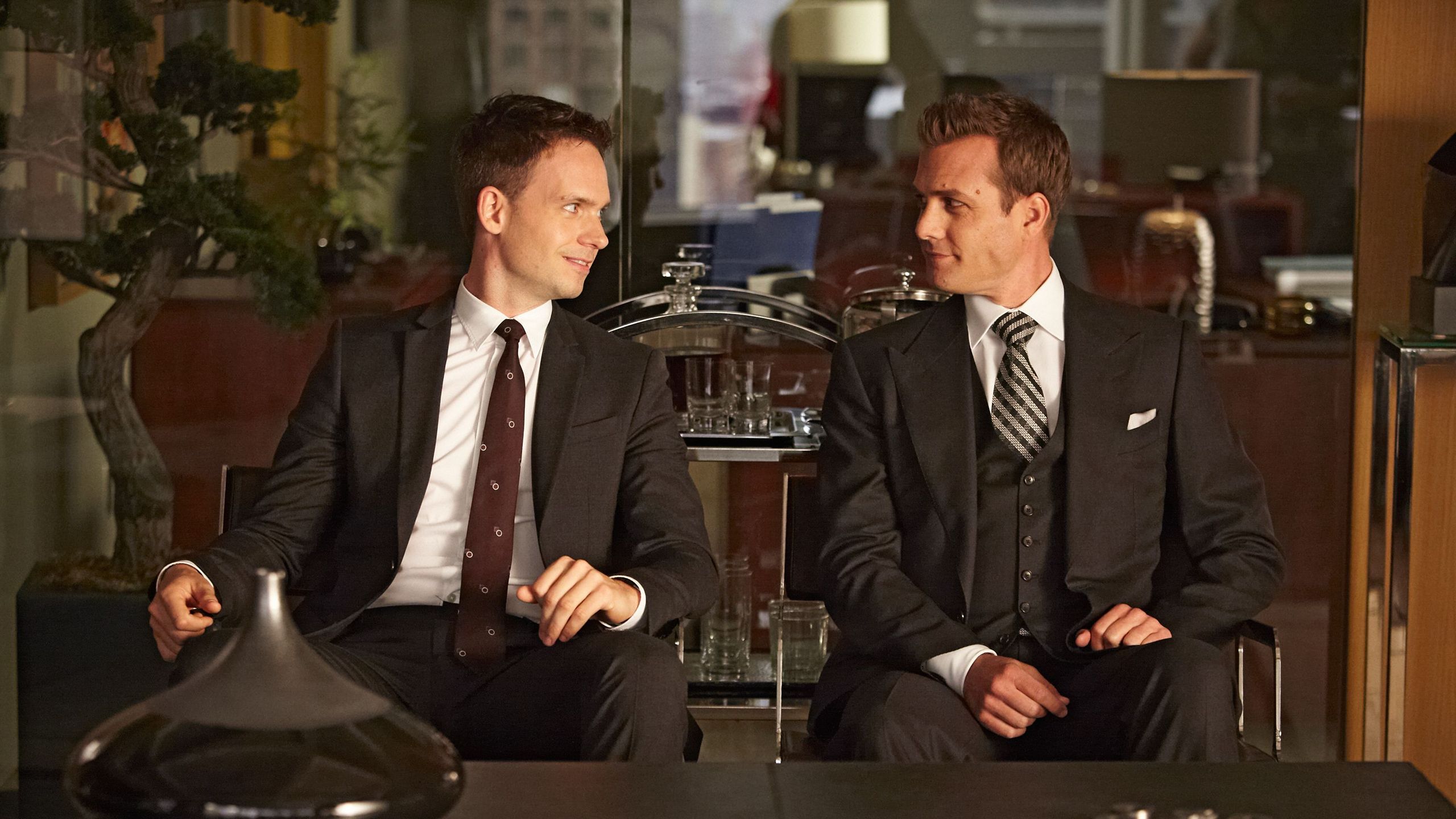
The anthology format of True Detective allows each new season to carry its unique story while echoing the literary themes Pizzolatto originally envisioned. The first season, which features the gripping relationship between detectives Rust Cohle (Matthew McConaughey) and Marty Hart (Woody Harrelson), feels more like a novel than a typical TV show. The show's narrative style diverges from the norms of crime procedurals, instead exploring deeply flawed characters and the complexities of their relationships over an expansive, non-linear timeline.
This creative decision enriches the show, allowing the audience to experience character dynamics that blossom over years rather than mere episodes. The slow unveiling of their partnership, filled with betrayal and lingering resentment, echoes the immersive storytelling found in speculative fiction.
Subsequent seasons retained the introspective narrative direction while introducing new characters and themes. The success of this structure further exemplifies how abandoning the original novel might have propelled Pizzolatto’s storytelling to new heights. Different cornerstones of crime fiction were explored without repetition, offering fresh narratives while keeping the spirit of his literary ambitions intact.
Later seasons have shown how this model allows exploration of different themes and characters, ensuring that True Detective remains both relevant and engaging. The anthology format has proven effective in retaining viewer interest by presenting self-contained stories that delve into various aspects of crime and morality.
Even as True Detective has evolved through its four seasons, including a notable fourth season with new showrunner Issa López, the underlying literate sensibility persists. Each installment invites exploration not only of detective work but also the psychological consequences of crime, resonating deeply with viewers.
The roots from Galveston are still present, establishing a continuity of themes that elevate the series above traditional crime dramas. This literary approach makes True Detective a standout series that relies less on plot twists and more on character development and philosophical inquiries about morality and existence.
For readers interested in exploring more true crime narratives or similar themes, check out The Idaho Murders: Netflix's True Crime Series Sparks Debate and The Underrated Fame of Three Critically Acclaimed TV Shows.
In summary, the journey from a planned book sequel to the critically acclaimed True Detective series highlights how the evolution of the narrative shape can redefine its storytelling potential. The literary roots provide depth, enabling it to delve into the emotional and psychological realms that often elude standard television crime dramas. While the anthology format continues to thrive, questions remain about how future seasons will expand upon or innovate within this compelling narrative framework.
Story breakdown
EpisodeBreakdown may use automated tools to assist research, drafting, and formatting. Published pages are governed by our editorial and corrections policies, and source links are shown when they are available in the article record.
Discovery source: Collider. The source identifies where the topic was discovered; EpisodeBreakdown is responsible for the commentary published on this page.
Reader response
Reactions and poll results are based on real reader responses. No account is required.