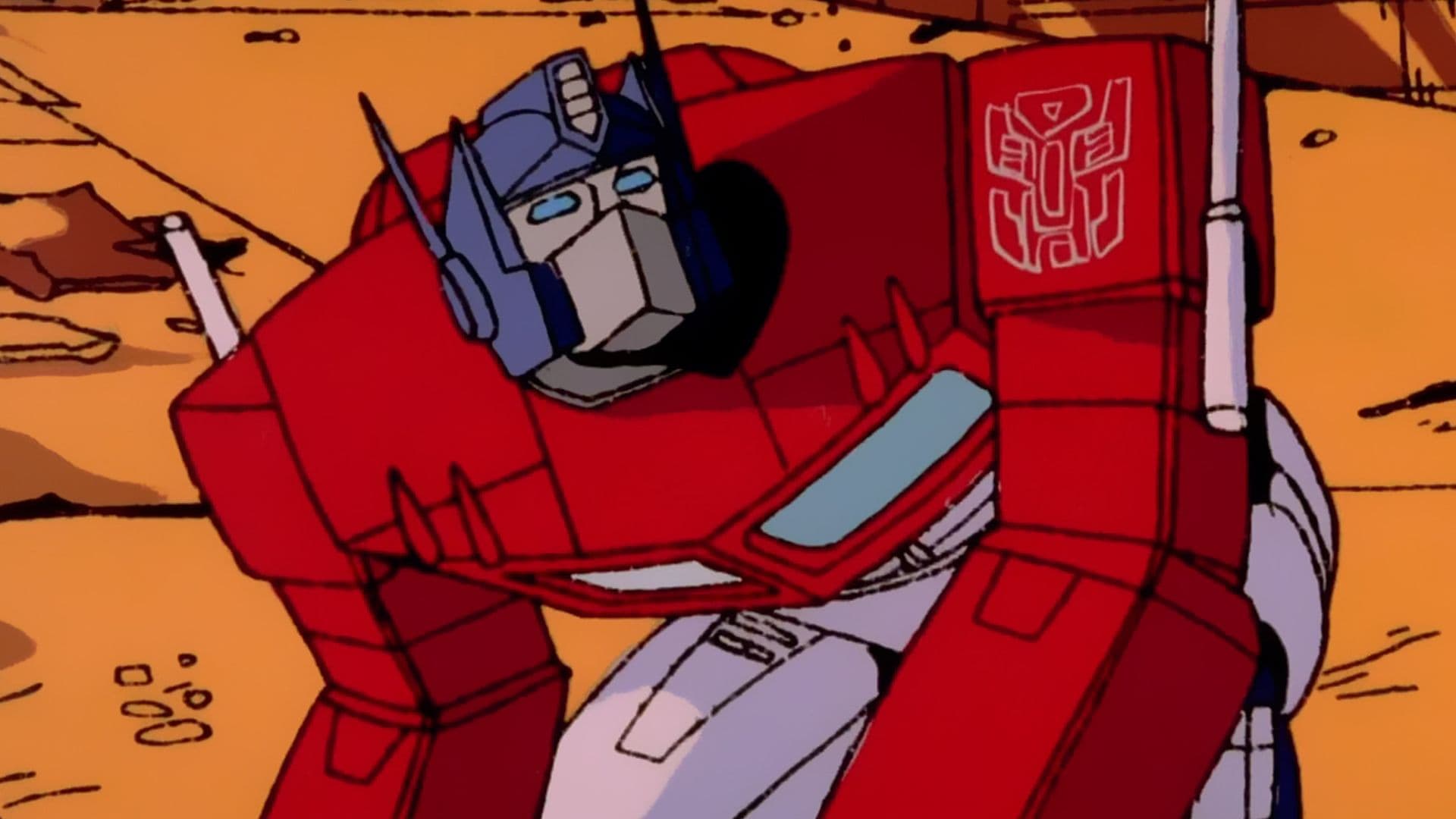
8 Reasons It's Hard to Watch G1 Transformers Today
The original G1 Transformers series holds a nostalgic place in the hearts of many fans. It not only introduced iconic characters but also laid the groundwork for an expansive franchise that includes movies, comics, and toys. However, as time marches on, audiences have evolved, and elements of the series that once captivated viewers now come across as outdated. Here, we delve into the reasons why watching G1 Transformers today can be a difficult experience for modern fans, highlighting changes in storytelling and production values that challenge today’s viewing standards.
Quick Summary
G1 Transformers was a groundbreaking series in the '80s, but it struggles to connect with today’s audiences due to its uneven pacing, inconsistent character development, and now-dated animation style. Fans discuss how these elements detract from the show’s overall impact, making it less enjoyable for new viewers.
Story Setup
The G1 Transformers series debuted in 1984, showcasing a battle between the heroic Autobots and the malevolent Decepticons. Set on the fictional planet of Cybertron and Earth, the plot revolves around the struggle for power and resources as these two factions fight for supremacy. While the premise is compelling, the narrative's execution leaves much to be desired.
Uneven Pacing
One of the most remarked-upon issues is the show’s pacing. Many episodes feature long stretches of dialogue and exposition, dragging out action sequences and critical plot points. Modern anime often emphasizes dynamic pacing and engaging storytelling, which can make long, drawn-out segments feel painfully slow.
Inconsistent Storytelling
Especially in the first season, the show grapples with inconsistent character arcs and storyline coherence. Episodes can feel disconnected, often changing the tone or focus abruptly. This inconsistency doesn’t sit well with a contemporary audience, used to well-crafted narratives that flow seamlessly.
Main Characters
The original G1 Transformers series introduces a host of memorable characters like Optimus Prime, Megatron, and Bumblebee. However, the depth given to these characters varies significantly. Some, like Optimus, embody heroism and leadership, while others lack development, leading to a somewhat flat experience. Today’s viewers are accustomed to complex characters with rich backgrounds, and the simplicity of G1 Transformers may feel unsatisfying.
Simplistic Characterization
Characterization can often fall into stereotypes that are no longer relevant or appealing. For instance, many female characters are portrayed in overly simplistic or stereotypical roles, which can be off-putting to modern audiences looking for more balanced and nuanced representations. This lack of character dimension detracts from the overall emotional engagement, making it hard for new viewers to invest in their journeys.
Ending or Latest Episode Explained
Based on available public metadata, the G1 series concluded in a manner typical of its time, but for contemporary expectations, the ending may appear lacking in resolution and emotional weight. Audiences today expect layered conclusions that resonate with character journeys, which contrasts sharply with the sometimes abrupt and less impactful endings found in G1.
Lack of Closure
Many story arcs feel truncated or unresolved. In an age of binge-watching and interconnected storylines, where viewers are accustomed to closure and continuity, the unsatisfactory wrap-up of many plotlines in G1 Transformers can frustrate those diving into the series for the first time.
What Could Happen Next
As discussions around G1 Transformers continue to trend, there are calls for a modern reimagining or adaptation. Such projects could focus on correcting pacing issues, enhancing character arcs, and improving representation. Although numerous adaptations and reboots have emerged from the franchise, a thoughtful revival of the original series' spirit, with updates to align with modern storytelling standards, could breathe new life into the narratives fans cherish.
Fans' Input on Future Projects
Many long-time fans are hopeful that industry giants will listen to audience feedback, potentially leading to a series that pays homage to the beloved originals while improving upon them. The continued involvement of fans through forums and social media platforms ensures that the legacy of G1 Transformers lives on in discussions that could influence future productions.
Why This Is Trending
The conversation around the difficulties of watching G1 Transformers has gained momentum in online communities, partly due to nostalgia and the rising popularity of retro media. New fans, unfamiliar with the series' background, share their experiences while older audiences reflect on their childhood memories. This interplay of old and new perspectives has ignited debates about the relevance of classic cartoons in the modern landscape.
Nostalgia vs. Modern Expectations
The clash between the fond nostalgia of older fans and the critical eye of today’s viewers illustrates a pervasive theme in media consumption: how much should the classics adapt to remain relevant? Discussions over G1 Transformers have catapulted into a larger dialogue about the preservation and reworking of older media in a contemporary context.
Final Thoughts
While G1 Transformers undeniably shaped the landscape of anime and the wider realm of pop culture, it faces challenges that make it difficult for new viewers to connect. The uneven pacing, inconsistent storytelling, and simplistic characterization all contribute to a viewing experience that may feel disconnected from modern sensibilities. That said, the series remains an important cornerstone for those interested in the evolution of storytelling in animation and the ongoing impact of beloved franchises.
For fans navigating the complexities of G1 Transformers today, the rich discussions around its merits and faults offer a fascinating lens into how narratives evolve and adapt through generations. As the dialogue continues, it highlights not just the challenges of the past, but also exciting possibilities for the future of the franchise.


