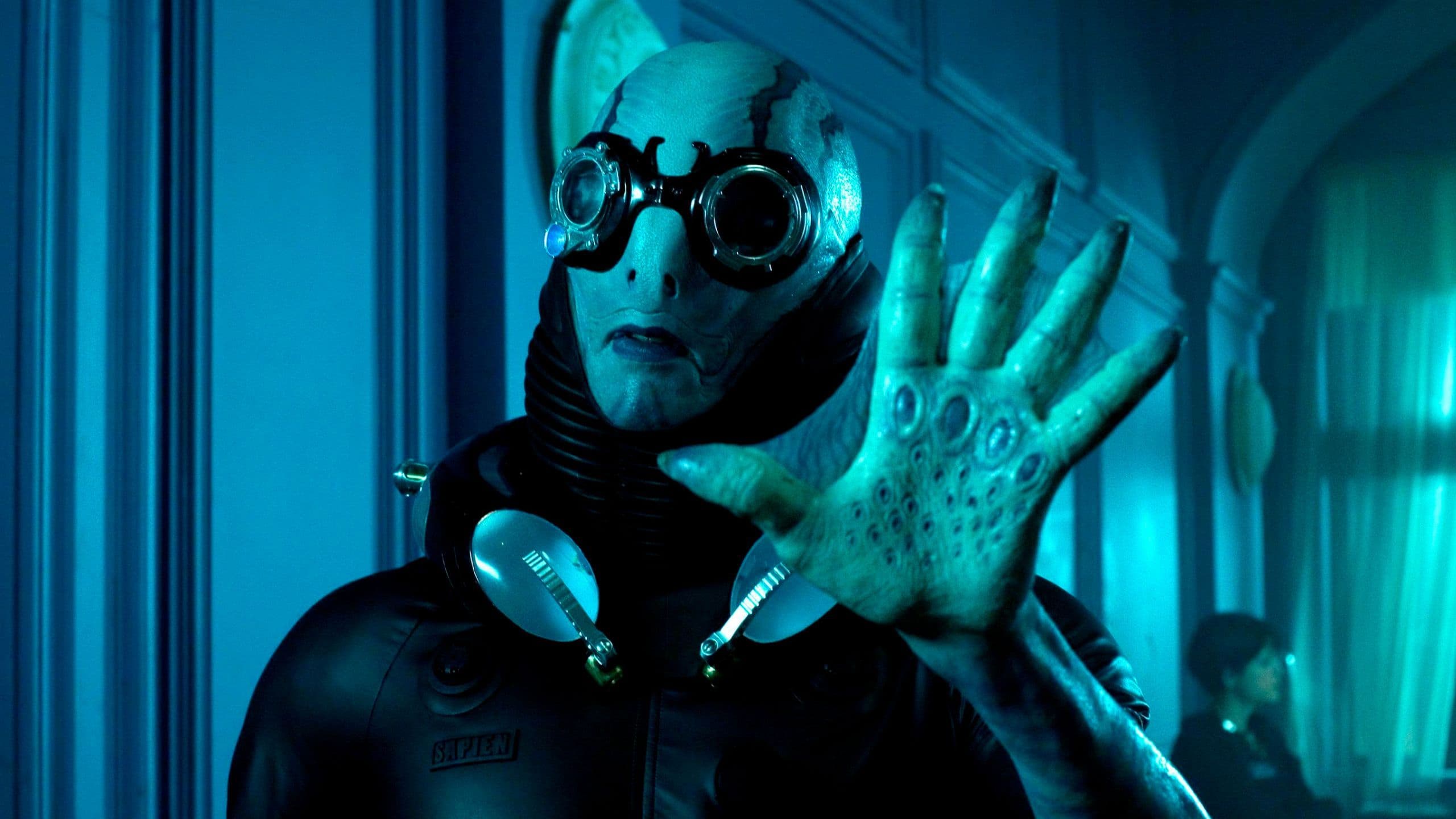
20 Years Later, Guillermo Del Toro's Best Dark Fantasy Monster Is Returning
In the world of dark fantasy cinema, Guillermo del Toro’s creations stand out as some of the most visually arresting and narratively complex monsters. Among these, one character has etched itself into the fabric of cinematic history: the Pale Man from "Pan's Labyrinth." Two decades after its unforgettable debut, the Pale Man is set to make a triumphant return, captivating audiences once again with its eerie presence and intricate design.
This return speaks not only to nostalgia but also to the enduring influence of del Toro's work on the genre.
Quick Summary
Guillermo del Toro’s Pale Man returns to the screen after 20 years, reigniting interest in the themes and artistry that the character embodies. This article explores the character’s legacy, its significance in del Toro's filmography, and its broader implications in the world of dark fantasy.
Story Setup
"Pan's Labyrinth," which was released in 2006, presents a dark and captivating tale set against the backdrop of post-Civil War Spain. The film follows young Ofelia as she discovers a mysterious labyrinth and encounters a faun who believes she is the reincarnation of a lost princess. Within this labyrinth is the terrifying Pale Man, a creature whose haunting design and chilling demeanor have made it iconic in film history.
The Pale Man is not merely a monster; it represents the oppressive forces of authoritarianism, a reflection of the struggles that Ofelia faces. Its appearance—pale skin, eyeless palms, and a grotesque demeanor—serves as a reminder of the consequences of fear and silence in the face of tyranny. Characters who succumbed to its allure become tragic representations of lost innocence and the horrors of reality.
The return of the Pale Man has been hinted at through various promotional materials and announcements surrounding an upcoming rerelease of "Pan's Labyrinth." This rerelease is expected to include remastered visuals and possibly new features that celebrate the 20th anniversary of this modern classic. Revisiting the Pale Man in this fresh context allows fans both new and old to become reacquainted with the unsettling brilliance of del Toro’s vision.
Main Characters
No discussion of the Pale Man would be complete without considering the characters that inhabit its world.
- Ofelia: The young protagonist, whose journey through the labyrinth is as much about self-discovery as it is a fight against the oppressive forces surrounding her. Her encounters with the Pale Man are pivotal in her character development, embodying her innocence and subsequent loss as she grapples with harsh realities.
- The Faun: A complex character who guides Ofelia through her trials, challenging viewers to interpret whether he embodies benevolence or ulterior motives. The faun’s relationship with the Pale Man adds layers to the mythology of the labyrinth and its moral conflicts.
- Captain Vidal: A representation of fascism and blind authority, his character starkly contrasts Ofelia’s magical yet tragic journey. In some interpretations, Vidal can be viewed as a manifestation of the real-world horrors that the Pale Man represents.
Supporting Characters
- Mercedes: A maid with her own resistance efforts, embodying bravery and the spirit of rebellion against tyranny, helping to balance Ofelia's fantastical journey with real-world implications.
- The Doctor: His role showcases the moral dilemmas faced by those in war, providing a nuanced view of loyalty and ethics in the face of oppressive systems.
Ending or Latest Episode Explained
The original ending of "Pan's Labyrinth" remains one of the most poignant in film history. Ofelia's tragic fate intertwines with her final act of defiance against Captain Vidal, presenting a bittersweet culmination of her story. When she ultimately faces the Pale Man, the culmination of the trials emphasizes the theme of choice—between innocence and complicity.
Although the Pale Man serves as a harbinger of darkness, it also marks the moment Ofelia fully embraces her identity and stands bravely against the forces that threaten her. The rerelease of the film, along with the anticipated return of the Pale Man, invites speculation about new interpretations of these pivotal moments, particularly in light of changing socio-political landscapes that resonate in today’s world.
What Could Happen Next
Given the iconic status of del Toro’s work, the return of the Pale Man opens doors to various potential developments. One intriguing possibility includes merchandising opportunities, such as action figures, art books, and collectibles that could introduce the character to a new generation. Additionally, del Toro might explore the character in depth in future projects, potentially giving context to the Pale Man's origins—more about its monstrous nature and the mythology that surrounds it.
Fans might also see more collaborative projects, whether that's expansions into graphic novels or even animated interpretations exploring the rich universe del Toro has crafted. There’s ample opportunity for crossovers, spinoffs, or even sequels that delve deeper into the dark fantasies and moral complexities that resonate through the original narrative.
Why This Is Trending
The resurgence of interest in del Toro's work can be attributed to multiple factors. The twenty-year anniversary of "Pan's Labyrinth" has reignited conversations about its cultural impact, particularly in dark fantasy. Fans are increasingly curious about how past works influence modern storytelling, and del Toro’s unique visual style and thematic depth continue to capture the imagination.
Moreover, discussions surrounding the role of monsters in cinema, and their symbolic significance, remain timely and relevant. The Pale Man serves as a powerful metaphor for current societal issues, reinforcing why audiences feel compelled to revisit these narratives. The anticipation surrounding this return is heightened by del Toro’s stature as a visionary director and the dedicated fanbase that passionately supports his cinematic journeys.
Final Thoughts
Guillermo del Toro's Pale Man is more than just a screen monster; it’s an emblem of artistic expression and storytelling that challenges viewers to confront uncomfortable realities. Its return after two decades brings with it a wealth of nostalgia and excitement, as fans and newcomers alike prepare to witness the haunting allure of del Toro’s dark fantasy. As we look forward to the rerelease of "Pan's Labyrinth" and the revival of the Pale Man, it serves as a reminder of the transformative power of storytelling and the eternal dance between light and darkness in human experience.
Stay Tuned
Keep your eyes peeled as we dive deeper into the magic of Guillermo del Toro's cinema and the cultural phenomena surrounding the return of one of its greatest monsters.