5 Greatest Western Villains Who Stole the Show
The American Western genre has long been celebrated for its iconic heroes, but what often captivates audiences are the villains who propel these narratives. While the lone gunslinger and valiant lawman often take center stage, it is the shadowy figures lurking in the backdrop that add intensity and drama, effectively stealing the show. In this article, we explore the top five Western villains who not only captured the audience's attention but also contributed significantly to the depth of their stories.
Quick Summary
This breakdown highlights the remarkable contributions of five notorious Western villains in cinema. By examining their roles, character depth, and impact on the narrative, we celebrate how these antagonists have become memorable figures in film history. From classic films to modern interpretations, these villains leave an unforgettable mark on the Western landscape.
Story Setup
Traditionally, Westerns are set against vast landscapes characterized by dusty towns, rugged mountains, and the sprawling desert. These settings contribute to the genre's distinctive atmosphere, further enhanced by the complex relationships between good and evil. The villains in these stories often embody the darker aspects of humanity—greed, revenge, and moral ambiguity—allowing them to stand out alongside their heroic counterparts. Each of our featured villains demonstrates this complexity, often pushing the heroes to their limits and propelling the story forward through their cunning and desire for chaos.
Main Characters
-
Frank (Once Upon a Time in the West) - Played by Henry Fonda, Frank is a ruthless assassin with an enigmatic presence. His chilling demeanor contrasts sharply with the perceived morality of the protagonists, making the film's final showdown intensely gripping.
-
Indio (For a Few Dollars More) - A clever and sadistic bank robber portrayed by Gian Maria Volonté, Indio's mastery in strategy leaves audiences both impressed and horrified. His obsession with a pocket watch symbolizes deeper themes of time, loss, and mortality.
-
Angel Eyes (The Good, the Bad and the Ugly) - With his cold stare and methodical nature, Angel Eyes, played by Lee Van Cleef, represents the archetypal villain. His relentless pursuit of wealth sets the stage for one of cinema’s most brilliant trilogies, adding layers of intrigue and tension to the storyline.
-
Dutch (The Magnificent Seven) - As portrayed by Eli Wallach, Dutch is not just a bandit; he’s a sociopath who takes pleasure in his tormenting of others. His complex relationship with his henchmen reveals insights into power dynamics within evil—a crucial element that keeps the audience engaged.
-
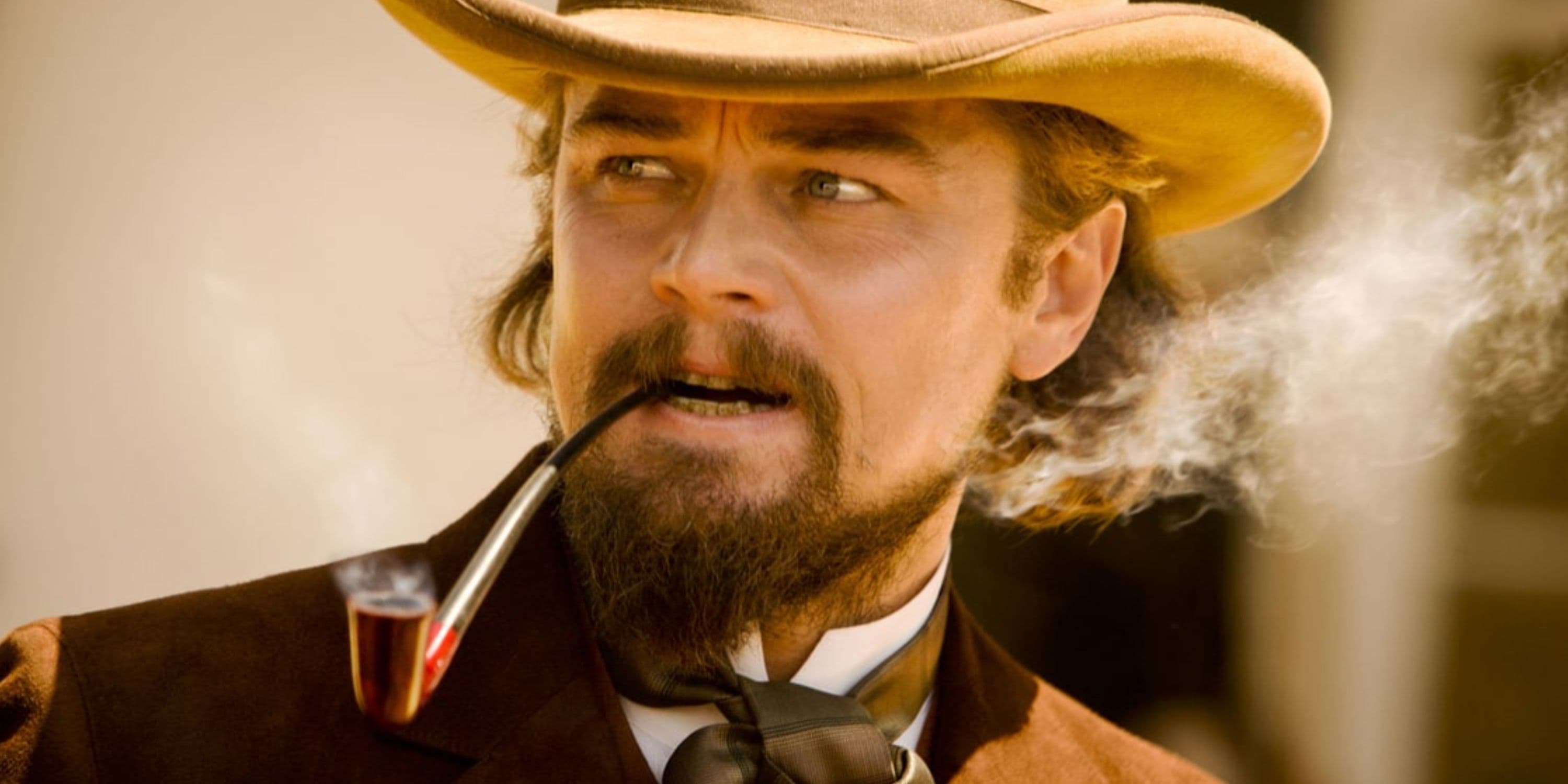
Bill (Django Unchained) - As the main antagonist, portrayed by Leonardo DiCaprio, Bill embodies the vile nature of slavery wrapped in charm and sophistication. His character challenges viewers to confront uncomfortable aspects of history while serving as a catalyst for Django's journey.
Ending or Latest Episode Explained
While not tied to a specific episode or ending given the nature of the feature topic, it is important to recognize that each villain mentioned has led to memorable climaxes in their respective films. In classics like Once Upon a Time in the West and The Good, the Bad and the Ugly, confrontations with these antagonists often mark the film's pivotal points, resulting in resolutions that highlight the eternal battle between good and evil.
What Could Happen Next
As audiences continue to crave captivating storytelling in the Western genre, it is likely we will witness new interpretations of old archetypes. The rise of character-driven plots opens the door for more complex villains, potentially paving the way for additional narratives that explore the psychological motivations behind their malevolence. Filmmakers could draw inspiration from current societal issues, reimagining these villains for a modern audience while maintaining their time-honored essence.
Why This Is Trending
The enduring popularity of Westerns, coupled with revivals in their themes and styles, makes discussions around iconic villains particularly timely. As filmmakers experiment with genres, audiences have begun to embrace the depth and nuance of complex antagonists. Social media platforms buzz with hashtag discussions, analyzing classic portrayals and engaging with new morally ambiguous characters in contemporary Westerns—each villain leaving an indelible mark on the viewer's psyche.
Final Thoughts
Western villains are more than narrative devices; they are complex characters that enrich the stories they inhabit. Their contribution often overshadows the heroes, providing a rich canvas for exploring moral dilemmas and human failings. As cinema evolves, the iconic villains of the Western genre will continue to shape its landscape, reminding us that sometimes, the ones we love to hate are the ones who truly make the story memorable.