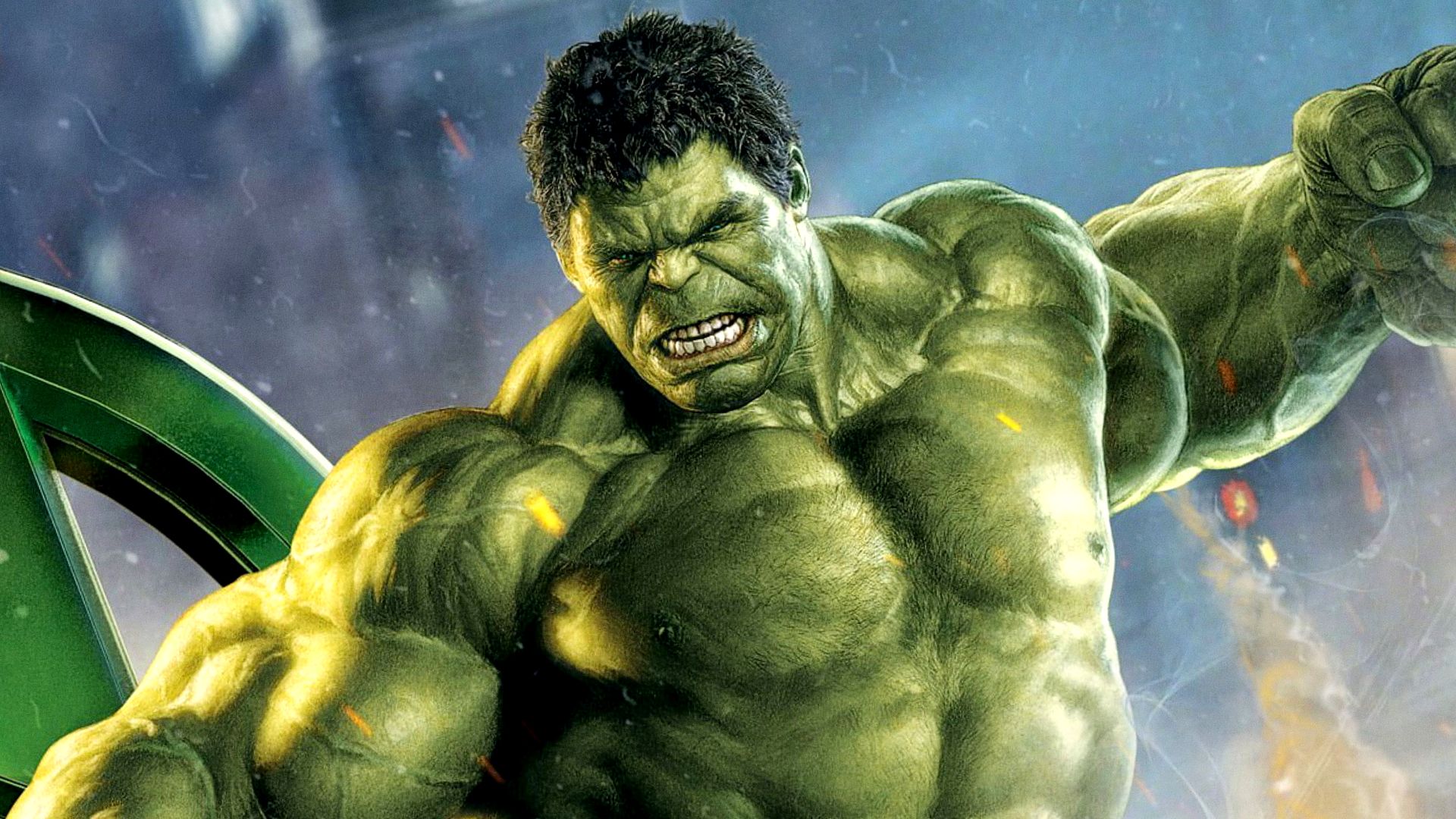
The Greatest Hulk Adaptation Ever Was Released 30 Years Ago This Year
As we mark the 30th anniversary of a landmark animated series, fans and critics alike reflect on how this adaptation remains the quintessential representation of the Hulk and his alter ego, Bruce Banner. Despite a plethora of films and television shows from the Marvel Cinematic Universe (MCU) and beyond over the years, this animated classic encapsulates the character's emotional depth in a way that still resonates with audiences today.
Quick Summary
The animated series that has captured the essence of Bruce Banner's tragedy, rage, and complexity better than any other adaptation was released in 1996. Its ability to delve into themes of duality, the human condition, and the consequences of inner turmoil set a benchmark that still influences modern portrayals of the character. The protagonist's struggle between intellect and instinct is poignantly illustrated, making it not just a tale of strength, but of vulnerability and self-acceptance.
Story Setup
The series premiered amidst the superhero renaissance of the 1990s, a time when animated adaptations were beginning to garner serious acclaim. It focused on the life of Dr. Bruce Banner, a brilliant scientist who transforms into the Hulk following exposure to gamma radiation. This transformation is not merely a physical change but rather an emotional one, creating a narrative rich with conflict and complexity. Throughout the series, audiences witness Banner navigating the challenges posed by both society and himself, as he struggles against external forces while also battling his own inner demons.
The series dives deep into Bruce’s past, illuminating the traumas that led to his transformation. Battles with various adversaries and the ever-looming threat of the government serve as backdrops that amplify his internal struggles. Each episode unfolds various aspects of his character — from his intelligence and compassion to rage and despair — bringing viewers closer to understanding the tragic hero that Bruce Banner embodies.
Main Characters
The ensemble of characters in this animated series is foundational to its richness.
- Bruce Banner/The Hulk: The protagonist, caught in a tragic struggle between his brilliant mind and the uncontrollable beast within.
- Betty Ross: Bruce’s love interest, who symbolizes hope and normalcy in Bruce's tumultuous life.
- General Thaddeus 'Thunderbolt' Ross: A military figure obsessed with capturing the Hulk, representing societal fear of the uncontrollable monster.
- Nick Fury: The director of S.H.I.E.L.D. who plays a strategic role in bridging the world of regular humans and superheroes.
With each supporting character, the series emphasizes various societal reactions to the Hulk: some view him as a hero, others as a monster, highlighting the broader moral dilemmas surrounding acceptance and fear. The interplay among characters adds layers to the narrative, facilitating a dialogue on the nature of humanity itself.
Ending or Latest Episode Explained
While the series wrapped up with a climactic conclusion, it left viewers with a bittersweet flavor, reinforcing the ongoing internal conflict faced by Bruce. The final episodes juxtapose his journey towards acceptance with the societal prejudices that prevent him from finding peace. The theme of duality culminates in a powerful finale that resonates with the audience: acceptance doesn’t mean the absence of struggle but rather learning to coexist with it.
The ambiguity of the ending creates room for interpretation. Some fans believe it hints at Bruce’s ongoing journey towards harmony, while others see it as an indication of the continuous battle between man and monster. The unresolved nature of Bruce’s character evolution leaves a lasting impression, ensuring that discussions around his character and struggles continue for decades to come.
What Could Happen Next
As the superhero genre continues to evolve within film and television, the potential for revisiting Bruce Banner’s narrative is ripe for exploration. Whether through a reboot, a sequel, or an entirely new animated series, future adaptations could learn from this classic by delving deeper into the psychological aspects of the character. Ideas like exploring multiple aspects of his duality or introducing new antagonists could breathe fresh air into the dialogue surrounding Banner and the Hulk.
Additionally, the burgeoning interest in multiverse storytelling and alternate timelines within the MCU opens doors to engage with Hulk's legacy in new ways. Future narratives may focus on his impact across different worlds while retaining the emotional insights that the original series championed.
Why This Is Trending
The anniversary of this iconic adaptation resonates strongly within the community of comic book and animation enthusiasts. Celebrating three decades of storytelling excellence serves as a reminder of how far animated adaptations of comics have come while underscoring the necessity of character-driven narratives in superhero storytelling. Social media is abuzz with nostalgia as fans share their favorite episodes and moments, sparking discussions about how this series influenced both future narratives and viewers’ appreciation or understanding of the Hulk as a character.
Moreover, with recent conversations surrounding mental health and the complexities of identity, the timing couldn’t be more apt. The series’ nuanced portrayal of anger, vulnerability, and personal struggle strikes a chord in today’s societal landscape, reinforcing its relevance even in contemporary discussions.
Final Thoughts
As we commemorate this pivotal animated series, it's evident that its legacy remains strong, encapsulating the tragedy, rage, and complexity of Bruce Banner more effectively than any subsequent adaptations. The animated series set a standard of depth for superhero narratives that is often overlooked amidst the glitz and glamour of modern filmmaking.
Ultimately, the series serves as a poignant reminder that behind every superhero lies a multifaceted being wrestling with his own identity, and perhaps, that is the true essence of heroism. The emotional undertones of Bruce Banner's journey through rage, acceptance, and self-realization lay the groundwork for an enduring legacy, one that will continue to capture the hearts and minds of future generations.