10 Greatest Dystopian Books of All Time, Ranked
Dystopian literature has captivated readers for generations, providing thought-provoking insights into society's flaws and potential futures. As a sub-genre of science fiction, these works often reflect disturbing truths about human nature, governance, and societal norms. This breakdown compiles the ten greatest dystopian books, offering a glimpse into their settings, characters, and the overarching themes they convey.
Quick Summary
This article dives into a curated ranking of the greatest dystopian books, shedding light on each book’s unique narrative, thematic depth, and the ways they resonate with contemporary issues. From cautionary tales about totalitarianism to explorations of environmental degradation, these books remind us of the fragility of our freedoms.
Story Setup
Dystopian novels often begin by presenting a world that appears to be an improvement of our own, but as the narrative unfolds, readers quickly realize the underlying horrors that lurk below the surface. This initial setup serves as a critical commentary on current societal trends, encouraging readers to reflect on their own world. Whether we see future societies crumbling under oppressive regimes or individuals battling for survival in post-apocalyptic settings, the plot usually serves to highlight the consequences of neglecting moral and ethical standards in favor of power or progress.
Themes Explored:
- Totalitarianism: Books like "1984" often explore the ramifications of oppressive governments that exert total control over individuals’ lives.
- Societal Collapse: Many narratives investigate the aftermath of societal collapse due to war, environmental disaster, or systemic failure.
- Human Rights: A recurring theme is the struggle for personal freedoms against institutions that seek to suppress them.
Main Characters
The characters in these dystopian tales are often complex and multifaceted, embodying resilience, despair, or rebellion. Protagonists typically undergo significant transformations, moving from subservience to resistance.
Notable characters from the top-ranked dystopian novels include:
- Winston Smith from George Orwell’s "1984" – a reluctant rebel against an omniscient regime, representing the struggle for truth.
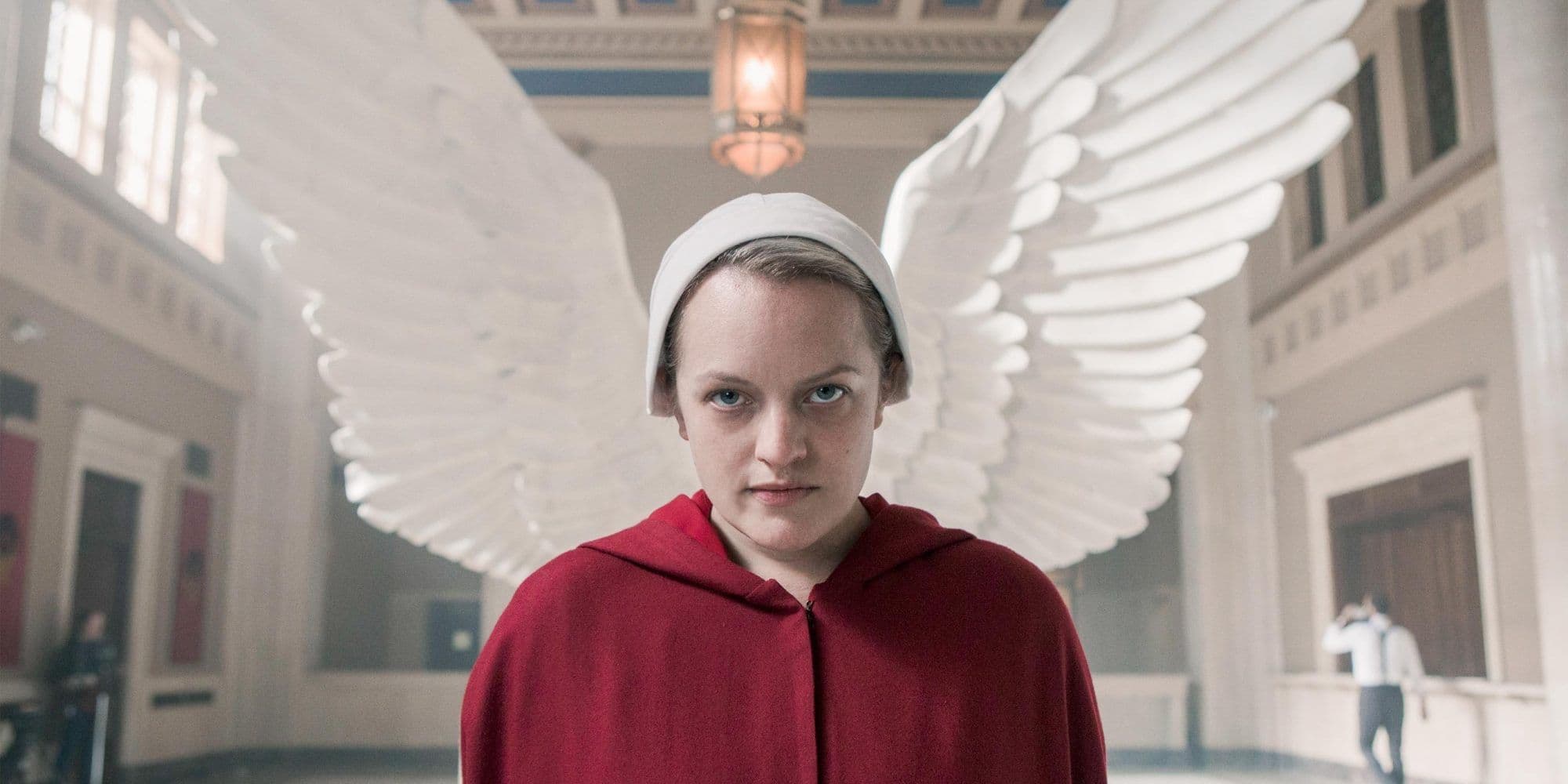
- Offred in Margaret Atwood’s "The Handmaid’s Tale" – a woman caught in a theocratic society's grip, exploring themes of autonomy and subjugation.
- John, the Savage from Aldous Huxley’s "Brave New World" – portraying the ongoing conflict between natural humanity and artificial conformity.
These characters often act as conduits for the authors’ critiques of society, making their journeys essential to understanding each book’s core message.
Ending or Latest Episode Explained
Most dystopian novels culminate in a climactic resolution that reveals the fate of the characters and the implications of the story’s events. Often, the endings are left ambiguous or grim, reinforcing the concept that the struggle against tyranny or despair is ongoing. For instance, in "Fahrenheit 451" by Ray Bradbury, Guy Montag’s rebellion leads him toward enlightenment, but at the cost of everything he once knew, leaving readers to ponder the meaning of true freedom in a constrained world.
Similarly, "The Road" by Cormac McCarthy concludes on a note of unsettled hope, illustrating the persistence of humanity and love in the face of desolation. While the journey of these characters may conclude, the discussions surrounding their experiences often inspire continued debate and exploration of dystopian themes in modern life.
What Could Happen Next
With potentially limitless narratives stemming from these classic texts, there’s much speculation about how these stories could evolve, particularly as adaptations are discussed in popular culture.
- Adaptations: Many of these dystopian works continue to inspire filmmakers seeking to adapt their narratives for the big screen. This opens the door to reimagining characters and settings for new audiences while enhancing the thematic depth with modern technology.
- Continued Relevance: As real-world conditions mirror some of these scenarios—government surveillance, climate change, and technological encroachment on privacy—these books’ messages remain impactful, urging contemporary readers to keep questioning their realities.
- Expansion through Sequels or Spin-offs: Authors may choose to revisit these literary worlds in sequels or spin-offs, allowing for deeper exploration of themes and characters, similar to works like "The Testaments" by Margaret Atwood, which expands on the original tale of "The Handmaid’s Tale".
Why This Is Trending
Dystopian literature often trends in response to current events; when society faces uncertainty or upheaval, interest in these cautionary tales surges. The pandemic, rising authoritarianism in various parts of the world, and climate anxiety have led many to seek solace and understanding in the narratives of dystopian fiction, reflecting their fears and hopes to piece together a clearer understanding of the future.
Moreover, the rise of streaming services and an increase in content being adapted from literature to screen has brought a resurgence of interest in dystopian narratives. Audiences are eager for stories that mirror real-world tensions and imagine possibilities for change or catastrophe.
Final Thoughts
The greatest dystopian books serve not merely as thrilling reads but as essential artifacts reflecting the human condition, prompting critical thought about governance, society, and our collective future. They remind us that literature is a powerful lens through which to examine not only ourselves but also the world around us. As conversations around dystopia continue to evolve, these narratives remain profoundly relevant.
Engaging with this genre can equip readers with the foresight to navigate complex social landscapes and challenge the status quo. Whether it’s through the lens of classic texts or contemporary adaptations, the legacy of dystopian literature endures, firmly establishing its place in both literary and cultural discussions.


