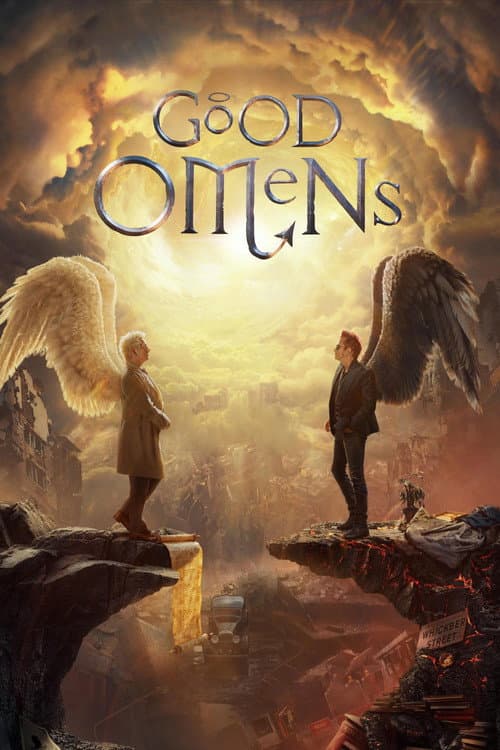
Good Omens Episode Breakdown: Story, Characters, and Ending Explained
The whimsical and captivating series "Good Omens," which first aired on May 31, 2019, on Amazon Prime Video, takes viewers on a hilarious journey of celestial beings navigating earthly dilemmas. This delightful adaptation of the successful novel by Neil Gaiman and Terry Pratchett introduces us to an unlikely duo—Aziraphale and Crowley, who have both grown fond of Earth despite their divine nature. As the impending apocalypse looms, they must find and save the Antichrist to avert the end of the world as we know it.
Quick Summary
In this fantastical realm, the forces of Heaven and Hell are on the brink of war, fueled by the arrival of the Four Horsemen. Yet, amid the chaos of preparing for Armageddon, our celestial protagonists discover that they have misplaced the Antichrist—an error that could lead to catastrophic consequences. With a blend of humor and suspense, "Good Omens" explores themes of friendship, morality, and the complexities of good versus evil.
Story Setup
The first episode sets up the show's primary conflict: the culmination of eons of divine and infernal strategy that finds both Heaven and Hell poised to reclaim their respective territories. Aziraphale, the angel, represents all things good, while Crowley, the demon, embodies the chaos of Hell. Their unique partnership is based on their shared love for humanity, making them reluctant to see the world come to an end. The narrative cleverly weaves backstories and character motivations, illustrating why these two have sidestepped their true roles.
The concept of the Antichrist, who is destined to bring about the apocalypse, becomes pivotal as the plot unfolds. Initially designed to be a powerful harbinger of doom, the little boy who is supposed to embody this role is accidentally switched at birth, creating a ripple effect in the grand plan. This sets the stage for a comical yet critical race against time as our protagonists search for him.
Main Characters
Aziraphale
The angel Aziraphale, played with charm and humor, is a bookish yet profound character who runs a rare bookstore, showcasing his deep love for humanity through literature. His milder temperament contrasts beautifully with Crowley’s mischievous personality, making their relationship all the more compelling.
Crowley
Portrayed by the talented David Tennant, Crowley is a demon who adores Earth and revels in its pleasures. His witty banter and brazen personality contrast Aziraphale’s more reserved nature, which creates an engaging dynamic between the two. Crowley’s reluctance to follow Hell’s orders adds tension to his interactions with both Aziraphale and the other divine entities.
The Antichrist
The main twist revolves around the Antichrist, who is supposed to kickstart Apocalyptic events. After the mix-up at the hospital, the child, known as Adam, grows up unaware of his true potential, introducing a fresh layer of innocence and unpredictability to the narrative.
The Horsemen
The Four Horsemen—War, Famine, Pollution, and Death—bring a more menacing edge to the series, representing the catastrophic elements of the apocalypse. Their introduction heightens the stakes as they prepare to unleash chaos in their own stylish and darkly humorous ways.
Ending or Latest Episode Explained
Based on available public metadata, the series culminates in a climactic showdown that emphasizes themes of free will and the moral implications of good versus evil. The final moments reveal that Adam, in a moment of self-awareness, chooses to embrace humanity's imperfections rather than succumb to the cosmic expectations placed upon him. This unexpected choice emphasizes the show's central message: morality is not dictated by higher powers but shaped by one's decisions.
Through clever dialogue and unexpected twists, the ending resonates with viewers, leaving them pondering the complexities of morality and friendship. Aziraphale and Crowley’s journey to save Earth showcases the beauty of choice and the enduring connections that transcend divine expectations. In the final moments, we witness not only the thwarting of Armageddon but also the deepening of the bond between our two protagonists—celebrating the quirks of being human.
What Could Happen Next
Though the first season wraps up several plotlines, there remains an abundance of narrative possibilities. The breadcrumbs laid throughout the episodes hint at potential future escapades involving Aziraphale and Crowley. As both characters navigate their evolving friendship, the invitation to explore more of Earth's quirks is tantalizing. Could they confront new celestial threats, or perhaps delve deeper into their origins? The space left for additional character development offers an enticing premise for future seasons. With the groundwork already in place, the potential for further humor, drama, and moral dilemmas could easily attract viewers back into this whimsical world.
Why This Is Trending
"Good Omens" has resonated with audiences for its unique melding of humor, fantasy, and existential philosophy. The clever storytelling, combined with exceptional performances and sharp dialogue, has created a cult following. Its themes receive particular relevance in today's societal context, sparking conversations around morality and coexistence across differing beliefs. Furthermore, Neil Gaiman’s involvement keeps fans engaged and eager for more tales from this universe.
Final Thoughts
"Good Omens" shines as a refreshing take on the battle between good and evil, cleverly enveloping itself within humor and satire. The relationship between Aziraphale and Crowley proves to be the heart of the series, making it an emotional journey as they confront the consequences of choice. With its eye-catching visuals and engaging storytelling, the show invites viewers to reflect on their own moral compass while providing endless entertainment. Although the world may seem led by divine plans, it's the human spirit—and those who care for it—that ultimately shapes our destiny. Tune in to the enchanting saga that’s sure to invoke the whimsical and the profound.