Game of Thrones Episode Breakdown: Story, Characters, and Ending Explained
Intro paragraph.
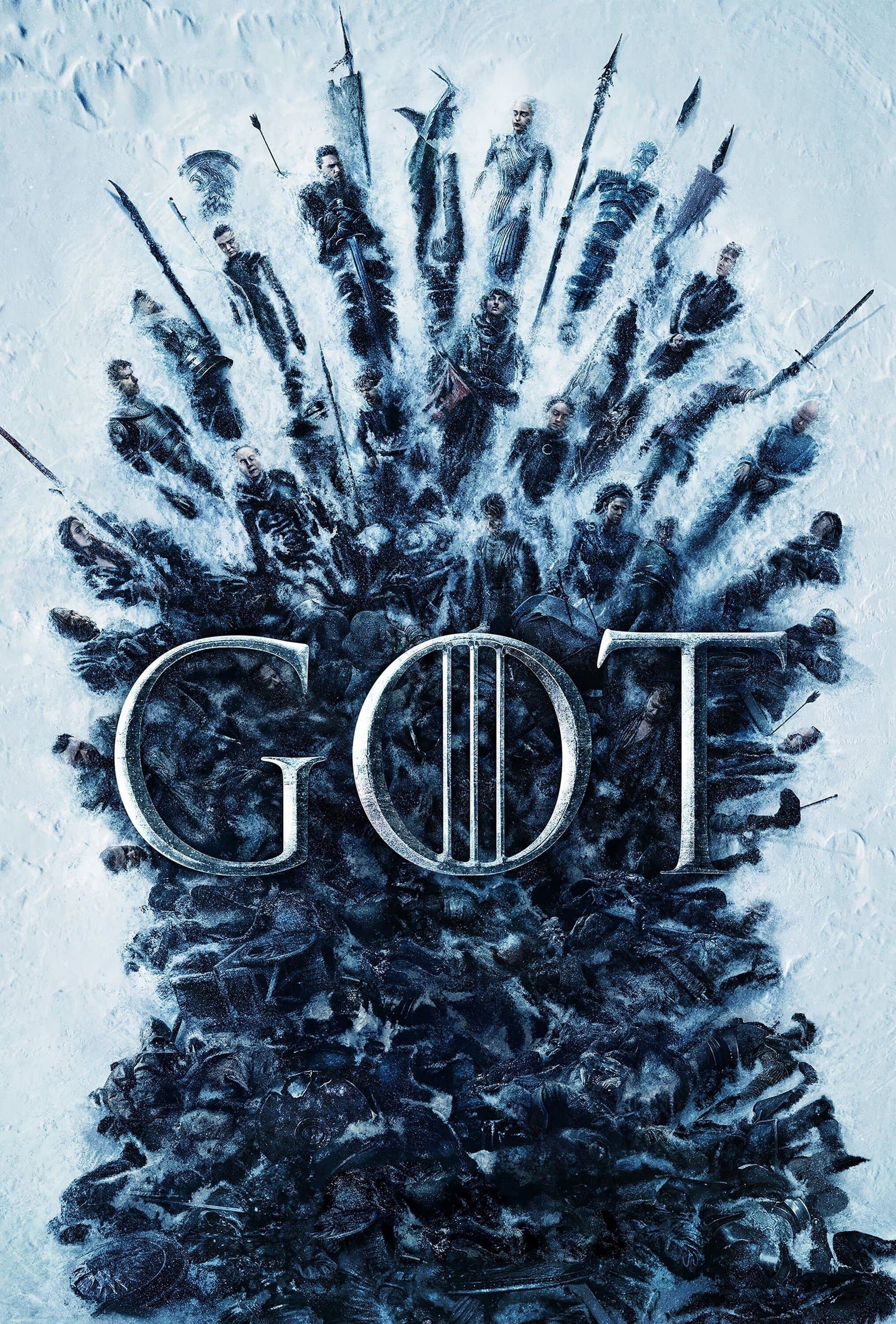
Based on the bestselling book series A Song of Ice and Fire by George R.R. Martin, Game of Thrones is an award-winning HBO drama that captivated millions around the world. Debuting on April 17, 2011, and concluding its run on May 19, 2019, this fantasy series quickly became a cultural phenomenon. Set in a world where summers can last decades and winters can endure a lifetime, the show intricately weaves tales of power struggles among the vast and diverse families of the Seven Kingdoms, all vying for control of the Iron Throne.
In this breakdown, we will delve into a quick summary of the series, explore its key narratives and characters, analyze its ending, and consider its relevance even after wrapping up. Let’s embark on this voyage through Westeros.
Quick Summary
Game of Thrones is an intricate drama that oscillates between the high-stakes politics of noble families and the haunting, supernatural threats lurking in the shadows of their world. The show spans multiple realms—from the opulent courts of the South to the perilous expanse of the North. It is a tale of duplicity, honor, conquest, and redemption, emphasizing that in the game of thrones, one either wins or perishes. With a rating of 8.9, it redefined expectations for what a television series could achieve, successfully blending adventure, drama, and fantasy.
Story Setup
The saga is precipitated by the death of King Robert Baratheon, prompting a chaotic struggle among noble houses to claim the Iron Throne. The noble families include the Starks of Winterfell, the Lannisters of Casterly Rock, the Targaryens who had once ruled, and others, each possessing distinct ambitions and haunting pasts. The narrative unfolds across several intertwining storylines and character arcs, focusing on betrayal, alliances, familial loyalty, and the looming threat of supernatural forces represented by the Night King and his army of the undead.
Through elaborate political intrigue and epic battles, the show portrays the human condition—loyalty, love, vengeance, and the complex moralities that accompany the pursuit of power.
Main Characters
The depth of Game of Thrones is significantly underpinned by its vast array of characters. Notable characters include:
- Eddard (Ned) Stark: The honorable lord of Winterfell symbolizes integrity and honor but often faces moral dilemmas as he delves deeper into the treacherous politics of the realm.
- Daenerys Targaryen: The last surviving member of the deposed Targaryen dynasty, she embodies evolution from a timid girl to a formidable leader, determined to reclaim her family's throne using dragons and powerful allies.
- Tyrion Lannister: The wittiest character, often underestimated due to his dwarfism, uses his intelligence and cunning to navigate the dangerous political waters of Westeros.
- Cersei Lannister: A primary antagonist, she is ruthless and ambitious, determined to maintain her family's legacy and power at any cost.
- Jon Snow: Initially perceived as Ned Stark's illegitimate son, Jon's journey from the Night's Watch to discovering his true heritage is pivotal in the overarching narrative.
These characters, along with numerous others, bring to life the thematic richness and moral complexities at the heart of the series, establishing their lasting legacies in the viewer's mind.
Ending or Latest Episode Explained
The series finale invites ripples of debate among fans. While based on available public metadata, it's crucial to note the culmination ignites mixed reactions. The ending unfolds pivotal moments that finally dismantle long-standing character arcs and political dynamics. The fate of major characters is revealed, with significant sacrifices made and dire decisions taken.
Daenerys Targaryen’s reign, characterized by her relentless pursuit of power, reaches a climax. When her spiral into tyranny culminates, and she destroys King's Landing, her closest allies are left grappling with moral questions about loyalty and justice. Jon Snow’s eventual decision to fulfill the duties of a leader while coping with personal loss encapsulates the heart-wrenching complexity of loyalty and love in a brutal world.
The resolution of the Iron Throne’s quest symbolically merges themes of destiny and tragedy, leading to the establishment of a new council-led governance, raising discussions about democracy versus hereditary rule in a fantasy context. Though some viewers lauded this resolution, others felt the narrative’s pace hurried the closure of intricate arcs.
What Could Happen Next
Following the conclusion of Game of Thrones, the realm of Westeros is ripe for exploration and potential continuation, especially given the show has inspired spins and adaptations. The world created is vast, teeming with rich histories and untold stories that remain unexplored.
The emergence of new characters, revisiting and expanding on legendary figures' stories, or even exploring the lore surrounding the Night King could propel viewers back to Westeros. Future series could delve deeper into societies beyond Westeros, connecting them to the legacies established in Game of Thrones, thus keeping fans engaged with the remarkable universe built over nearly a decade.
Why This Is Trending
Despite its series conclusion, Game of Thrones continues to trend due to the lasting influences on pop culture and media. Discussions regarding the ending, character arcs, and twisty narratives remain prominent on social media platforms. Fans passionately debate the morality of the characters and the ethical implications of their decisions, showcasing the show's intricate storytelling well after its conclusion. Moreover, the anticipation surrounding upcoming projects, including anticipated spin-offs, keeps the dialogue alive and engages new audiences with the foundation laid by this iconic series.
Final Thoughts
Game of Thrones left an indelible mark on television history, shifting paradigms about storytelling, character development, and audiences' expectations. Its intricate plotlines, memorable characters, and breathtaking visuals resonated with audiences far and wide, making it a cornerstone of modern fantasy storytelling. As discussions and debates surrounding its legacy continue, fans remain excited about revisiting Westeros in new forms. The game may have ended, but the stories remain etched in the annals of pop culture, forever tantalizing those drawn into the complexities and wonders of the world George R.R. Martin created.