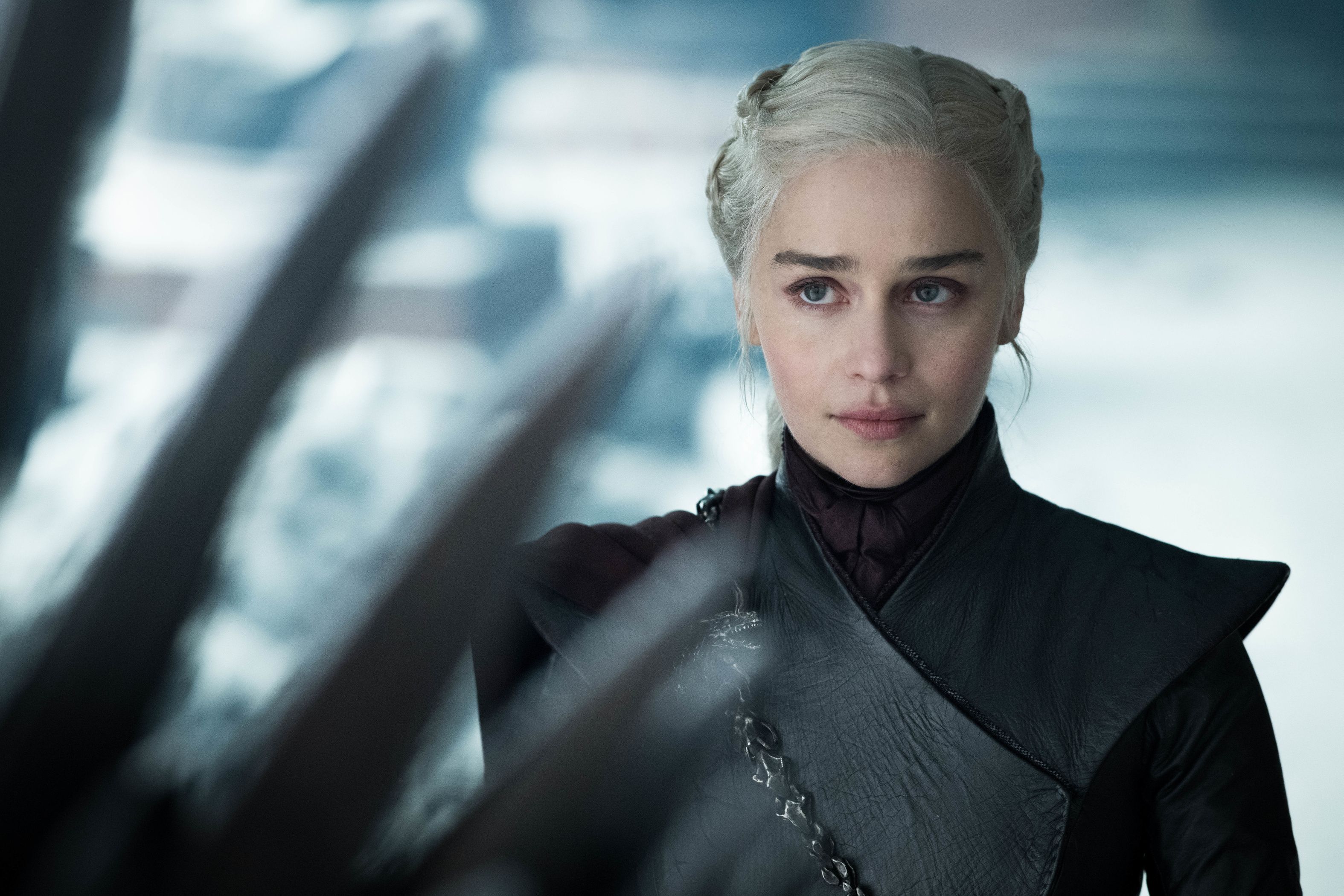
Game of Thrones’ Emilia Clarke Reveals She Had No Role in Shaping Daenerys' Fate
In the world of influential television series, few characters have sparked as much discussion as Daenerys Targaryen from Game of Thrones. Played by Emilia Clarke, the Mother of Dragons was pivotal to the series' narrative. However, in a recent interview, Clarke revealed that she had no say in how her character's fate unfolded, raising eyebrows among fans and critics alike. This breakdown discusses this revelation, its implications for the character, and what it could mean for the franchise going forward.
Quick Summary
Emilia Clarke, well-known for portraying Daenerys Targaryen on HBO's Game of Thrones, recently disclosed that she had no involvement in determining the fate of her iconic character. This news has raised questions about actor influence, creative storytelling, and audience expectations. While Clarke’s role was undoubtedly significant, her lack of creative input highlights the challenges faced by actors in a collaborative storytelling environment.
Story Setup
Game of Thrones, adapted from George R.R. Martin's series of novels, became a cultural phenomenon when it first aired in 2011. The story is set in the fictional continents of Westeros and Essos, focusing on the power struggles among noble families as they vie for control of the Iron Throne. Clarke's character, Daenerys Targaryen, is a central figure with the ambition to reclaim her family's throne.
Throughout the series, viewers witnessed Daenerys evolve from an exiled princess to a formidable leader, commanding dragons and amassing a loyal following. Her character arc became a focal point for debates about morality, leadership, and vengeance. However, as fans linked closely with her journey, Clarke's recent comments underscore the ongoing discussion about the disconnect between an actor's portrayal and the creative decisions made by the writing team.
Main Characters
Daenerys is surrounded by a rich tapestry of characters that contribute significantly to the series' narrative depth. Some key characters include:
- Jon Snow (Kit Harington): Initially introduced as a member of the Night's Watch, Jon's identity and eventual relationship with Daenerys play a crucial role in the series.
- Tyrion Lannister (Peter Dinklage): Serving as Daenerys's advisor, Tyrion's wit and wisdom are pivotal in shaping her decisions.
- Cersei Lannister (Lena Headey): Representing the main antagonist for much of the series, Cersei's ambitions clash significantly with Daenerys’s goals.
- Jorah Mormont (Iain Glen): A loyal protector of Daenerys, his unwavering dedication showcases the complexities of love and loyalty in the harsh world of Westeros.
Together, these characters provide intricate layers to the narrative, but they ultimately operate within confines often dictated by the show's writers, further emphasizing Clarke's point about her limited creative influence.
Ending or Latest Episode Explained
As of the conclusion of Game of Thrones in 2019, Daenerys's journey takes a controversial turn, particularly in the final episodes. After achieving significant power and defeating major adversaries, she opts for a violent approach towards her foes in King's Landing. This decision leads to fierce backlash from viewers who felt her character's development diverged sharply from her earlier principles of justice and mercy.
Clarke’s recent revelation sheds light on this disconnect, serving as a reminder that actors often do not have control over the arcs that unfold onscreen. Her insights open a dialogue about the fidelity of character representation and the creativity that lies behind the scriptwriting process.
What Could Happen Next
In light of Clarke's admissions, speculation about the future of Daenerys’s character—whether in potential spinoffs or other forms of media—has spiked. The franchise continues to expand, with prequels like House of the Dragon on the horizon. Fans are left pondering whether Clarke's portrayal will echo in future adaptations, considering her interpretation of Daenerys remains iconic.
Clarke's revelations might also influence how writers approach character arcs moving forward. With audiences demanding authenticity and coherence in character storytelling, the industry may increasingly involve actors in the developmental stages, allowing for a balanced partnership between creatives and performers.
Why This Is Trending
Emilia Clarke's confession has taken the entertainment world by storm, igniting discussions across social media and within fan communities. The idea that an actor as integral to a character’s persona as Clarke had no say in shaping her destiny resonates on multiple levels, from creative integrity to the career paths of actors. This openness invites other actors to share their experiences, potentially leading to broader changes within the industry regarding actor involvement in character development.
Furthermore, as franchises continue to dominate popular culture, Clarke’s comments highlight the necessity for genuine storytelling that honors established character trajectories while allowing room for new interpretations.
Final Thoughts
Emilia Clarke's revelation about her lack of influence over Daenerys Targaryen's fate serves as a poignant reminder of the complexities intertwined in the realms of acting and screenwriting. It raises essential questions about how narratives are constructed and the role actors play in embodying these characters. As discussions unfold, it will be interesting to see how this impacts future story arcs within the Game of Thrones universe and how it shapes the relationship between actors and writers in the entertainment industry.
In a narrative landscape continually evolving with audience expectations, Clarke's insights could encourage a more collaborative atmosphere, leading to both compelling stories and empowered performers. Fans of the series are left to speculate how this new understanding may influence the portrayal of characters in upcoming projects—an ongoing saga in which the Mother of Dragons may yet have more to reveal.