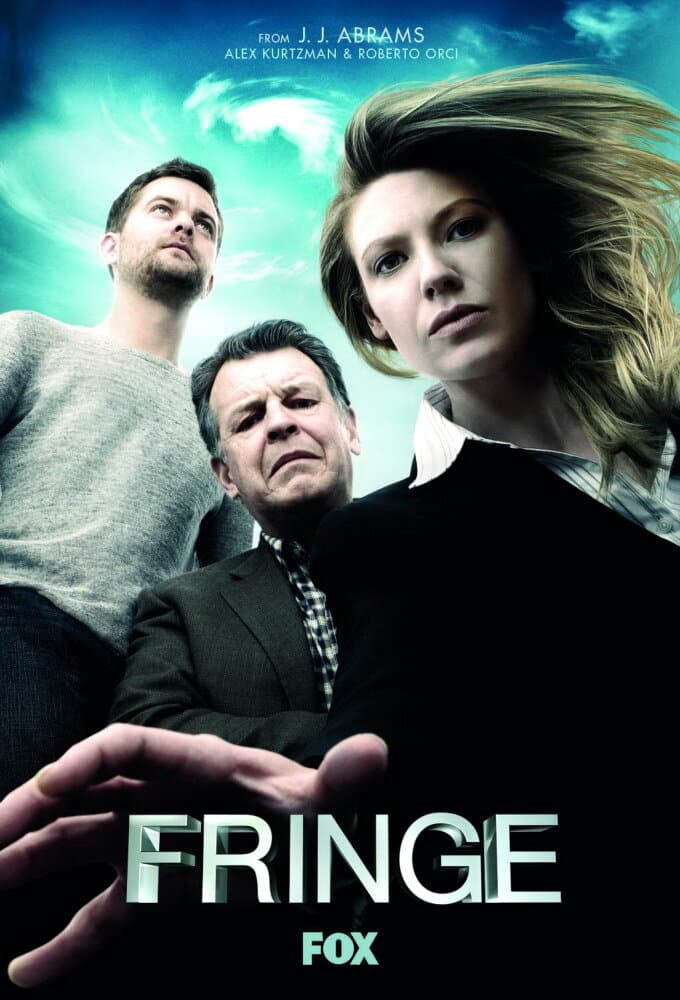
Fringe Episode Breakdown: Story, Characters, and Ending Explained
Welcome to our deep dive into Fringe, the acclaimed science fiction series that captivated audiences during its original run on FOX from 2008 to 2013. With a blend of action, drama, and mind-bending science fiction, this series has left an indelible mark on the genre. Let’s unravel the intricacies of the show, exploring its story, characters, and the ending while pondering what could happen next.
Quick Summary
Fringe stars FBI Special Agent Olivia Dunham, who investigates bizarre phenomena often linked to a mysterious organization. The series kicks off with a shocking event involving an international flight where all passengers and crew meet grisly fates. As Olivia seeks the help of institutionalized genius Dr. Walter Bishop and his estranged son Peter, they uncover a conspiracy that extends far beyond the flight, delving into the unknown realms of science and ethics. With a rating of 8.6, Fringe remains a captivating study of human ingenuity and folly.
Story Setup
The narrative begins with a dramatic and unsettling premise: an international flight, Flight 627, arrives at Boston's Logan Airport, but all passengers and crew have died under mysterious circumstances. The FAA is baffled, leading the FBI to take over the case. Enter Olivia Dunham, a tenacious FBI agent played by Anna Torv, who quickly finds herself involved in the investigation. Olivia’s partner, John Scott, encounters supernatural threats during their inquiry, further complicating matters.
Faced with mounting pressure and no clear leads, Olivia’s journey takes her to a secure psychiatric facility where Dr. Walter Bishop, portrayed by John Noble, has been locked away for twenty years due to his radical theories and experiments. Walter Bishop is a troubled yet brilliant scientist, often compared to Einstein. However, the catch in accessing his expertise is his estranged relationship with his son, Peter Bishop, played by Joshua Jackson. Olivia recruits Peter to help her bridge the gap and gain Walter’s insights into the horrific events surrounding the flight.
As the investigation unfolds, Olivia and her team navigate a world filled with corporate espionage, unethical scientific practices, and a shadowy organization that revels in manipulating human lives. Each layer they peel back reveals a larger conspiracy at play, inviting viewers into a labyrinth of suspense and cerebral challenges.
Main Characters
- Olivia Dunham: The determined and sharp FBI agent who leads the investigation and becomes the series' moral center. Her character evolves through emotional traumas, making her one of the most compelling protagonists in television.
- Peter Bishop: Walter’s estranged son, who acts as the bridge between his father’s troubled past and Olivia’s urgent present. Peter's character brings depth and complexity to the narrative as he grapples with familial loyalty and ethical dilemmas.
- Walter Bishop: A genius scientist whose erratic behavior is as fascinating as his intellect. Walter adds emotional weight and dark humor to the series, providing pivotal insights into the mysteries the team faces.
- John Scott: Olivia’s partner whose fate at the beginning of the series sets Olivia on her investigative path, revealing layers of personal stakes.
- Broyles: The head of the FBI’s Fringe Division and a tactical support figure for Olivia. He helps guide the team through various convoluted cases while managing bureaucratic pressures.
- Nina Sharp: A corporate executive with ulterior motives, Nina provides a key antagonist force, often pushing the ethical boundaries of scientific exploration.
Each character is well-developed, facing moral uncertainties and complications that drive the series’ emotional resonance.
Ending or Latest Episode Explained
Based on available public metadata, the series originally concluded on January 18, 2013. The final season is known for wrapping up the labyrinthine plots and character arcs established throughout the series. The concluding episodes are steeped in revelations about parallel universes and humanity's moral struggles with technology.
While the specifics of the ending have various interpretations, fans were treated to a satisfying resolution where characters confront their pasts and face their futures with renewed clarity. With an exploration of themes including sacrifice, love, and the sacrifices of knowledge, the ending left viewers both fulfilled and contemplative. The finale was an affirmation of the show's premise that science can lead to awe-inspiring wonders but also devastating consequences.
What Could Happen Next
Although Fringe has officially ended, the speculation surrounding potential spin-offs or revivals remains an exciting topic among fans. Given the show’s rich thematic content, continued interest in its characters, and the ever-evolving landscape of science fiction, many consider new stories ripe for exploration. Themes can delve deeper into the repercussions of past actions or new worlds created by understanding the multiverse.
Moreover, the cultural references made by the show concerning technology, ethics, and human experiences resonate more powerfully in today’s context of rapid scientific advancement. Further explorations could bring fresh eyes to the original story while retaining the intricate storytelling style that fans admired in the original series.
Why This Is Trending
Fringe is witnessing renewed interest due to its foresight into subjects like parallel universes and ethical dilemmas posed by scientific advancements, which resonate with current societal themes. As people engage in conversations about technology’s impact on humanity, they tend to revisit complex narratives that challenge their perceptions—something Fringe has skillfully done.
The series' cult status is also supported by the presence of a strong fan community celebrating its legacy through fan fiction, discussions, and social media engagement, bringing the show back into the spotlight.
Final Thoughts
Ultimately, Fringe remains a landmark series that offers a blend of eerie mystery, engaging character development, and thought-provoking themes. Through the eyes of Olivia Dunham and her team, viewers experience the delicate balance between scientific discovery and ethical responsibility. It keeps audiences thinking long after the credits roll, marking itself as a timeless addition to the science fiction genre.
As we continue to navigate through its intricate plotlines and character struggles, Fringe serves as a testament to human curiosity and the pursuit of understanding the unknown. Landing itself as a must-watch for fans of drama, action, and action-driven science fiction, this series stands the test of time.

