Forget This Iconic 2002 Horror Remake, You Must Watch the Original Masterpiece Instead
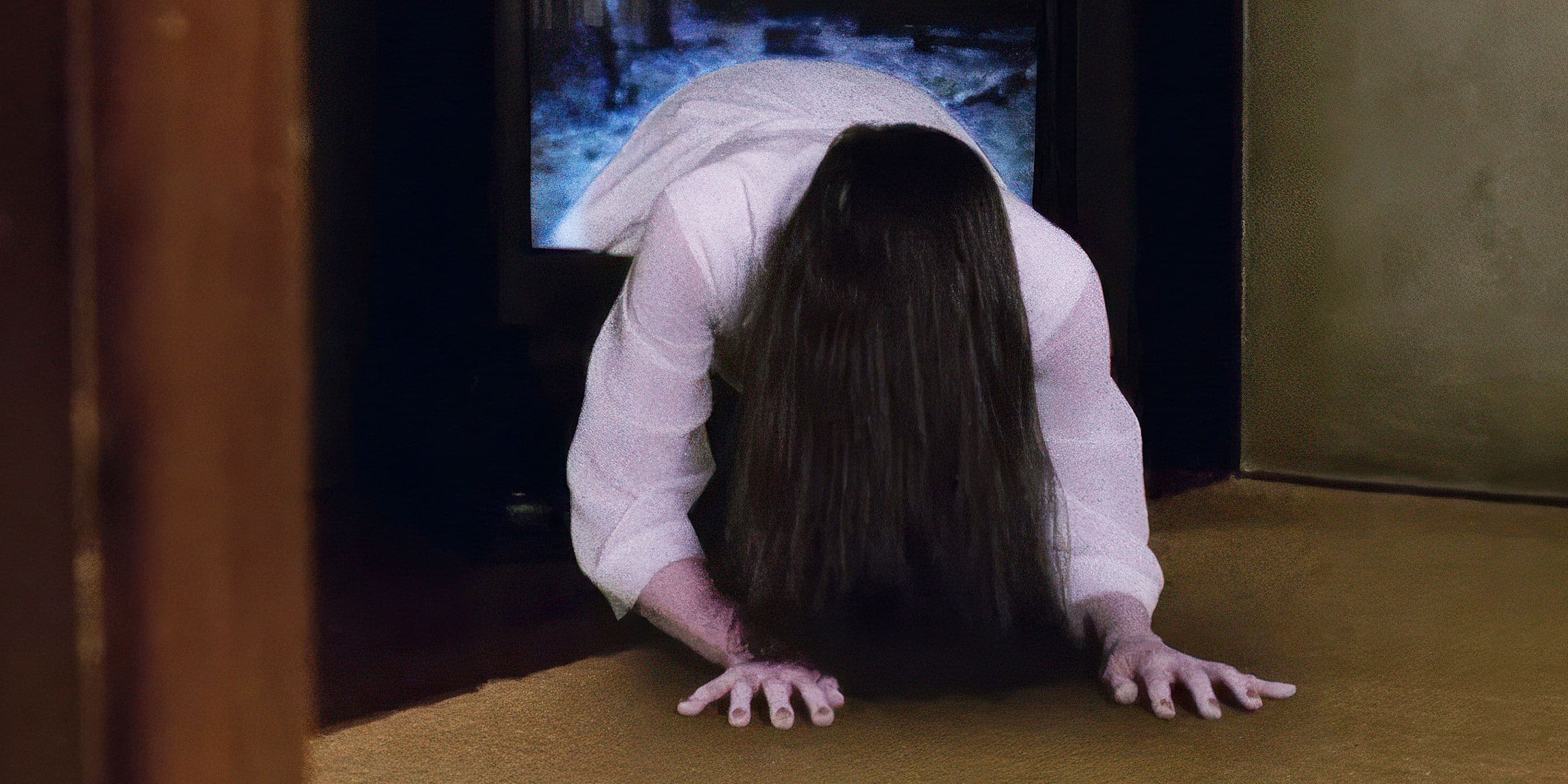
Gore Verbinski's 2002 horror movie, The Ring, is often celebrated for its spine-chilling narrative and eerie atmosphere. It has become a staple of early 2000s horror cinema, widely recognized by both critics and audiences alike. However, when it comes to the essence of horror, the original Japanese film Ringu from 1998 stands tall as a cinematic masterpiece that deserves more recognition. Let’s explore why Ringu is truly worth your time over its 2002 remake.
Quick Summary
The 1998 film Ringu tells the story of a cursed videotape that leads to the mysterious deaths of those who watch it. When journalist Reiko Asakawa investigates, she becomes embroiled in the horrors tied to the tape, which brings a ghostly child named Samara, or Sadako, into the mix. This haunting premise set a new standard for horror films in Japan and worldwide. The movie’s gripping storytelling, psychological depth, and cultural nuances make it not just a horror film but a poignant reflection on grief and the unknown.
Story Setup
Ringu begins with a chilling urban legend—anyone who views the cursed videotape receives a phone call, after which they hear a ghostly voice uttering “Seven days.” Within that time frame, terrifying events begin to unfold, ultimately leading to death. As investigative journalist Reiko Asakawa explores the curse, she uncovers the tape's origin and the tragic tale behind Sadako, the spirit at the heart of the horror.
The film masterfully sets the tone with atmospheric visuals and a haunting soundtrack that enhance every moment of suspense. The eerie cinematography captures the bleak and often disturbing elements of Japanese culture, transforming a simple horror story into a complex web of emotions and societal commentary.
Main Characters
The strength of Ringu lies not only in its plot but also in the well-crafted characters:
-
Reiko Asakawa: The protagonist, a dedicated journalist portrayed by actress Mahiro Maeda. Reiko's journey to uncover the truth represents not only her professional pursuit but also her struggle to protect her young son from the malicious curse.
-
Yoshino: Reiko’s ex-husband, who aids her in her investigation and adds depth to Reiko’s personal struggles. His character serves as a reminder of how the curse affects family dynamics and relationships.
-
Sadako Yamamura: The film's antagonist, whose tragic backstory unfurls as the plot progresses. Her character encapsulates themes of pain, loss, and vengeance, making her one of the most memorable and haunting figures in horror cinema.
These characters are intricately woven into the narrative, each adding layers to the overarching themes of fear, loss, and the quest for understanding.
Ending or Latest Episode Explained
As Ringu nears its climax, Reiko’s sense of urgency escalates when she realizes she has become part of the cycle of the curse. The ending leaves viewers with a chilling reminder of the consequences of venturing into the unknown. Without giving too much away, the conclusion doesn’t wrap everything in a neat bow; instead, it serves as a haunting commentary on how the curse can perpetuate itself, leading the audience to reflect on the nature of fear and inevitability.
What Could Happen Next
Though the original film culminates in a disturbing conclusion, it also spawned a franchise that encourages speculation. In exploring the original themes, future projects could delve deeper into Sadako’s origins or the cultural implications of fear in modern Japan. Moreover, as the horror genre continues to evolve, new adaptations or reimaginings that honor Ringu's legacy could emerge, keeping its haunting spirit alive for future generations.
With its unique blend of traditional horror elements and psychological depth, audiences may eagerly anticipate what new interpretations could arise from this iconic tale.
Why This Is Trending
The resurgence of interest in classic horror films, combined with the recent growth in streaming services featuring international cinema, has prompted a renewed discussion about the impact of works like Ringu. Fans of the genre are rediscovering the originality of J-horror and appreciating how films like Ringu influenced Hollywood productions.
Additionally, discussions about the significance of authentic storytelling and cultural context in horror films are gaining traction. While The Ring remains entrenched in popular culture, film enthusiasts argue that its story borrowed heavily from Ringu, prompting viewers to go back and experience the source material that inspired a generation of filmmakers.
Final Thoughts
While The Ring brought the terror of Sadako Yamamura to Western audiences and established a fresh blueprint for horror, the nuance, themes, and cultural authenticity present in Ringu make it a must-watch for any serious horror aficionado. The original film not only terrifies but also invites viewers into a deeper understanding of fear, loss, and the human experience.
If you're in search of a horror film that balances chilling suspense with emotional gravitas, Ringu should undoubtedly top your watchlist. Forget the remake; immerse yourself in the original masterpiece that artfully blends horror with humanity, ensuring that the legacy of Sadako endures long after the credits roll.


