5 ‘Fire & Blood’ Changes That Make ‘House of the Dragon’ Even Better
The world of Westeros has returned to the forefront of popular culture with the premiere of HBO's highly anticipated series, House of the Dragon. Based on George R.R. Martin's Fire & Blood, the show dives deep into the Targaryen lineage and the events that led to the infamous civil war known as the Dance of the Dragons. While adaptations often take creative liberties, many of the changes made from the original text have sparked intriguing discussions among fans. In this article, we’ll explore five notable changes from Fire & Blood that serve to enhance the storytelling and character development in House of the Dragon.
Quick Summary
House of the Dragon represents a bold interpretation of Martin's lore but diverges in meaningful ways. The series embraces character-driven narratives and a more structured plot, weaving together the complex tapestry of Targaryen history while aligning it with modern television storytelling standards.
Story Setup
Set 200 years before the events of Game of Thrones, House of the Dragon introduces us to the Targaryens at the height of their power. Following the lineage from Aegon the Conqueror, the series focuses on internal family dynamics fraught with ambition, betrayal, and the inevitable clashes for power. While Fire & Blood lays the groundwork with fragmented histories, House of the Dragon seeks to create a cohesive narrative that remains compelling for contemporary audiences, accentuating the psychological and emotional struggles of its characters.
Main Characters
The primary cast features several key figures from the Targaryen dynasty:
- King Viserys I Targaryen (played by Paddy Considine): The anointed king striving to maintain peace in his realm while managing the escalating tensions within his family.
- Princess Rhaenyra Targaryen (played by Emma D'Arcy): The king's firstborn, whose ambition and claim to the throne place her at the center of political machinations.
- Prince Daemon Targaryen (played by Matt Smith): The king's brother, whose reckless pursuit of power often contradicts the principles of stability.
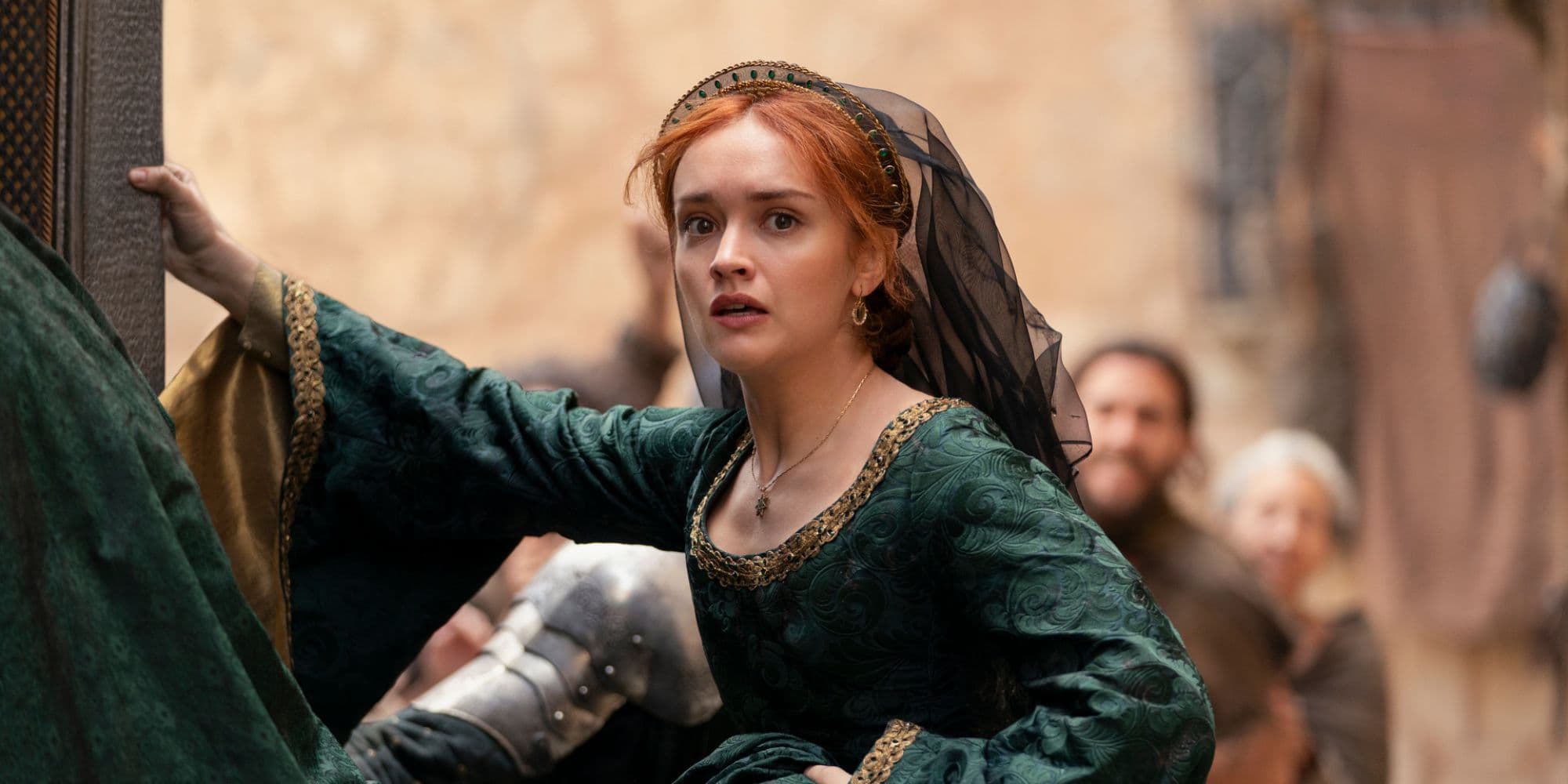
- Queen Alicent Hightower (played by Olivia Cooke): The king's second wife, representing a significant rival faction in the struggle for succession.
These characters are fleshed out more richly in House of the Dragon, allowing viewers to connect with their motivations and emotions more deeply than they might have otherwise in the source material.
Ending or Latest Episode Explained
As of now, the latest episode of House of the Dragon (based on available public metadata) has left viewers on the edge of their seats. As tensions rise, the stakes become increasingly high, especially with familial bonds fraying. Major events hint at betrayals and possible alliances that will come into play, leading to a narrative that is both thrilling and unpredictable.
What Could Happen Next
Looking ahead, House of the Dragon is poised to delve further into the Targaryen civil war. With several factions emerging and alliances shifting, viewers can expect shocking twists and new power players entering the fray. Given the historical context provided by Fire & Blood, fans are eagerly speculating about the trajectories of their favorite characters and how their decisions will impact the overarching story. Each episode holds the promise of fierce battles, emotional confrontations, and a deeper exploration of what it means to hold power in Westeros.
Why This Is Trending
The adaptation of Fire & Blood into House of the Dragon has been a trending topic among fans of both the books and the previous HBO series, Game of Thrones. Discussions abound regarding how the changes made improve character arcs and build narrative tension. Many viewers appreciate the increased focus on female characters and the nuanced portrayal of their struggles against a patriarchal society. Additionally, the stunning visuals and production quality of the series have captivated audiences, reigniting interest in the Targaryen saga and the greater lore of Westeros.
Final Thoughts
Overall, the decisions made in House of the Dragon not only enhance the narrative structure but also deepen the emotional investment of the audience. By carefully selecting which elements from Fire & Blood to adapt and how to present them, the series aims to create a rich, immersive viewing experience that resonates with both new audiences and long-time fans of the franchise. As the story unfolds, viewers are left eager to see how the events will diverge from what they know from Martin’s writings and what sacrifices the Targaryens will make in their quest for power. Each changed plot point adds intricacies that elevate House of the Dragon beyond a simple retelling of a historical epic; it’s a complex drama filled with ambition, desire, and the consequences of familial loyalty in a world fueled by power.