test
asdasd
Dive into the gripping tale of 'Fight Night: The Million Dollar Heist,' a miniseries starring Samuel L. Jackson, Kevin Hart, and Don Cheadle.
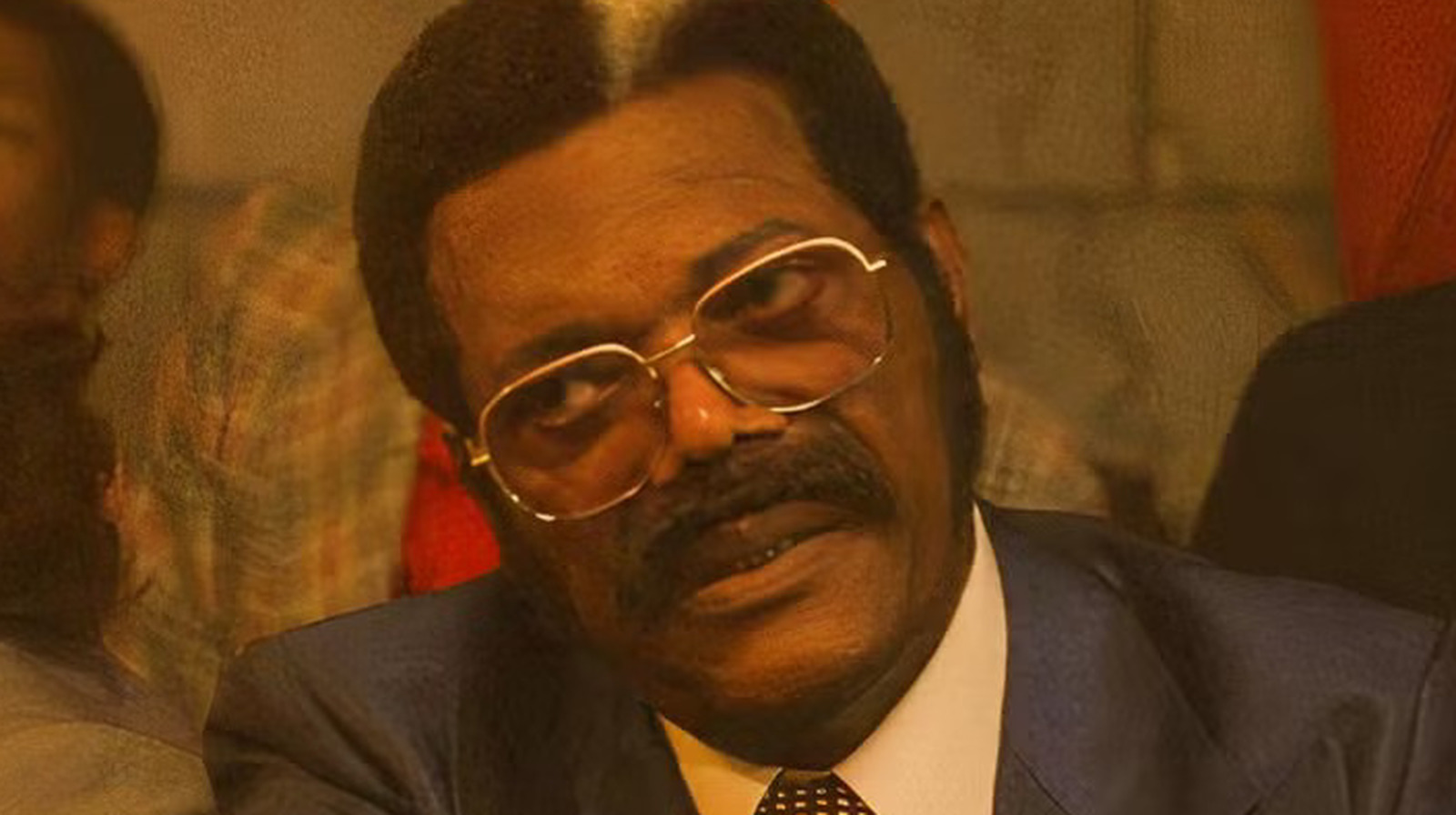
In simple terms, Samuel L. Jackson's miniseries, Fight Night: The Million Dollar Heist, is a gripping crime drama that intricately combines true events with compelling storytelling. Set against the backdrop of a dramatic boxing match in 1970, the series unfolds the story of an audacious robbery orchestrated by Gordon "Chicken Man" Williams, whose life is brought to vivid realization by Kevin Hart. With an impressive 96% approval rating on Rotten Tomatoes, this overlooked gem on Peacock is worth watching for fans of crime stories and rich historical context.
What happened is based on a true incident occurring on October 26, 1970, when the boxing legend Muhammad Ali made a celebrated return to the ring with a fight against Jerry Quarry. However, the evening was marred by a meticulously planned robbery by Gordon Williams, who cleverly invited affluent attendees to a supposed post-fight gala only to hold them at gunpoint. The dual nature of this event—highlighting both celebrity sport and criminal underworld—provides intriguing layers that audiences find captivating.
Exploring the narrative further, Williams's role remains complex. It remains unknown if he was the mastermind behind the heist or merely an unwitting participant. His connection to notable underworld figures, particularly in relation to the victims—some of whom had ties to the Black Mafia—adds further tension to the unfolding drama which many viewers are yet to discover.
In addition to Jackson and Hart, the miniseries features a star-studded cast. Don Cheadle plays Detective J.D. Hudson, who, as one of the first Black detectives in a newly desegregated Atlanta, gives a unique perspective on the unfolding events. The series utilizes Cheadle's character to explore larger societal themes, such as racial tensions and complex social dynamics during a pivotal period for Black America.
Other notable performances include Taraji P. Henson as Vivian "Sweets" Thomas and Terrence Howard as "Cadillac Richie" Wheeler. Each character enriches the narrative, contributing to the intricate tapestry of crime and intrigue foundational to Fight Night. This ensemble cast has been instrumental in bringing depth to their roles, drawing viewers into the gritty world of 1970s Atlanta.
Critics have highlighted the series' distinctive retro aesthetic. Rendy Jones from RogerEbert.com noted the show's use of 1970s film techniques, including split screens and quick zooms, which work harmoniously to evoke the period. This stylistic choice not only enhances the viewing experience but also grounds the series in the historical context of the time, making it feel authentic.
Yet, while the presentation has received praise, some critiques involve the series' pacing and character development. While some viewers enjoyed the expansive ensemble, others found it overwhelming. These mixed reactions indicate a broad range of interpretations, allowing audiences to engage with the material in diverse ways.
Upon its release, Fight Night: The Million Dollar Heist flew under the radar despite impressive critical acclaim. Critics have recognized it as a pivotal moment for Black America, addressing historical contexts relevant to contemporary social discussions. Eric Deggans from NPR articulated the significance of its subject matter, appreciating how the show manages to mingle personal stories with broader societal implications.
Despite its seemingly quiet entrance into popular media, the miniseries maintained a strong following, generating discussions around its themes and storytelling approach. Its real-life inspirations and connections make it not just another crime drama but a significant piece of media that embodies the struggles and triumphs of a specific era.
Incorporating historical figures like Muhammad Ali and real events, Fight Night bridges the gap between entertainment and education. Viewers have the opportunity to learn not just about the heist but also about the significant cultural moments surrounding it. In addition, side narratives, such as the involvement of Leroy R. Johnson—the first Black Georgia senator in over half a century—provide a rich backdrop that extends beyond mere crime drama.
For those seeking to delve deeper into similar themes, be sure to check out Disney's Genius 11-Part Crime Thriller Saga and Apple TV's Best: 10 Shows With No Bad Seasons, as they explore character-driven narratives entangled in crime and history.
Ultimately, Fight Night: The Million Dollar Heist serves as more than just entertainment; it is a lens through which we examine identity, race, and morality in the context of a specific historical moment. The series invites viewers to reflect and engage with its myriad layers, ultimately asking tough questions about justice, loyalty, and the human condition. While the miniseries has found a niche audience, its compelling story and character-driven drama present an opportunity for broader discussions, suggesting that it may yet find its rightful place within the crime drama canon.
Although the miniseries has garnered significant acclaim, the ongoing discussions surrounding the characters and events highlight just how much remains to be explored. Whether it's the intricacies of the storyline or deeper connections to real-life consequences, there's a wealth of insight waiting to be uncovered.
As audiences continue to discover Fight Night on Peacock, it stands as a reminder of the untold stories that linger just beneath the surface of history, ripe for exploration and understanding.
Episode breakdown
EpisodeBreakdown may use automated tools to assist research, drafting, and formatting. Published pages are governed by our editorial and corrections policies, and source links are shown when they are available in the article record.
Discovery source: Slashfilm. The source identifies where the topic was discovered; EpisodeBreakdown is responsible for the commentary published on this page.
Reader response
Reactions and poll results are based on real reader responses. No account is required.