movies
Exploring the Themes of Teenage Identity in 'Teenage
Uncovering the surprisingly unsettling themes and moments in family films that linger in our minds.
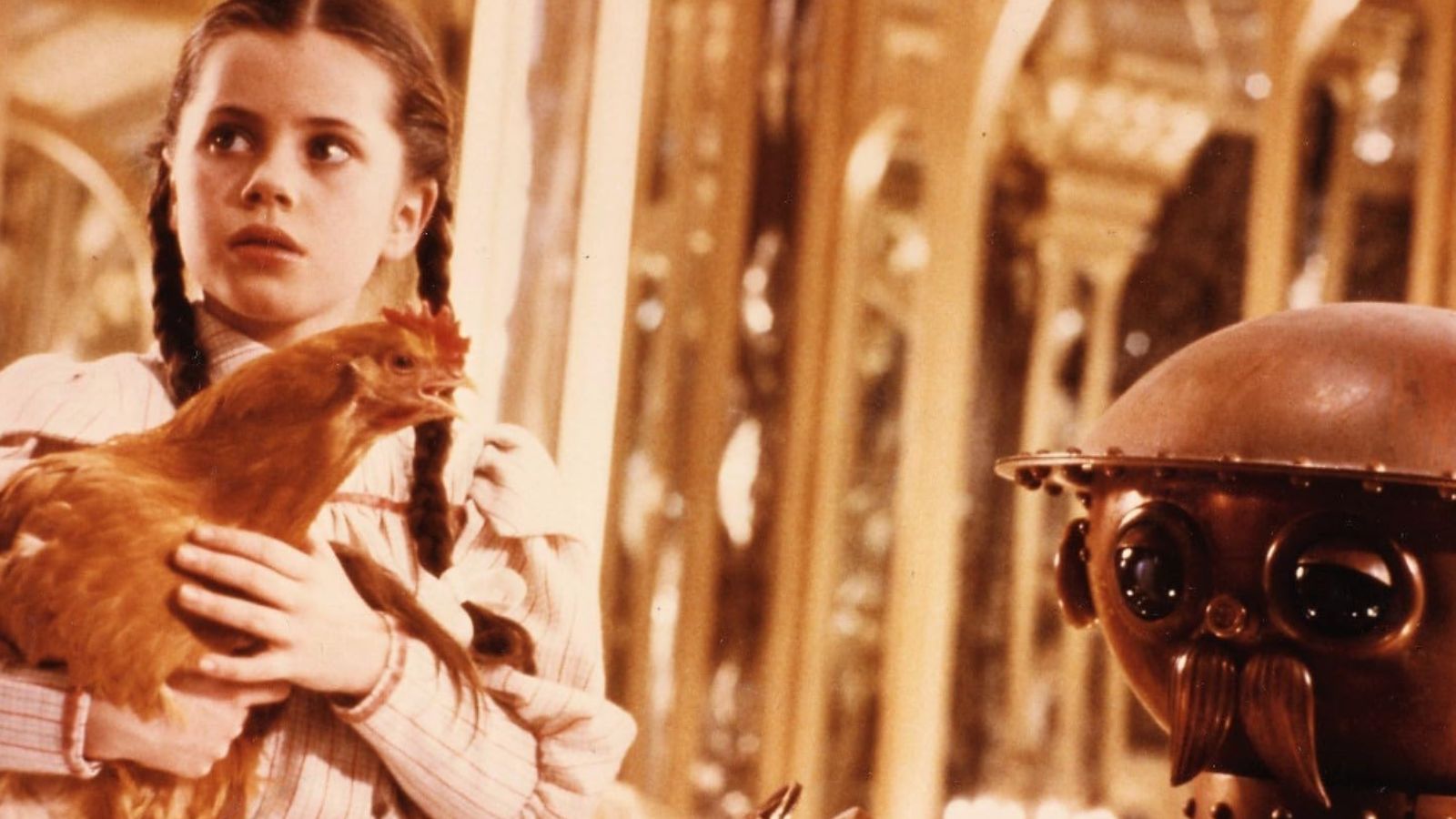
In simple terms, many family films that seem harmless can take surprisingly dark turns, leaving audiences, especially children, grappling with themes of abandonment, loss, and mortality. This article explores how certain animated classics cleverly masked intense emotional and frightening elements beneath their vibrant surfaces. The central question here is: Why do these seemingly lighthearted films include such dark themes, and how do they resonate differently with adult viewers?
Family movies are generally crafted with the intention of being uplifting and enjoyable for audiences of all ages. However, certain films disrupt this expectation with starkly dark moments that provide a challenging contrast to their overall tone. For instance, movies like Coraline swiftly shift from whimsical adventures to intense horror, characterizing the enigmatic Other Mother as one of cinema’s most unsettling figures. This jarring transition engages viewers on an emotional level, drawing them into themes of fear and personal identity that resonate long after the credits roll.
While exploring these films, it’s essential to separate confirmed events from interpretations. Some of the most shocking sequences across family films include scenes of violence, disturbing imagery, and emotional turmoil. The Land Before Time, for example, confronts loss and loneliness through the tragic fate of characters, imbuing it with a haunting depth that continues to leave its viewers affected. Similarly, The Brave Little Toaster cleverly disguises its themes of abandonment and despair in a story that employs animated appliances, yet the underlying emotional heft is palpable.
The dark themes found within these films often stem from deep-rooted fears and societal issues. The Witches, featuring Anjelica Huston’s terrifying Grand High Witch, exemplifies how child-centric stories convey serious lessons about trust and resilience against malevolent forces. These themes often signify a rite of passage, enabling children to confront their fears within a safe storytelling framework. The underlying struggles depicted in these narratives speak directly to adult audiences who can reflect on them through a different lens.
Many family films cleverly weave clues that foreshadow their darker elements. For instance, the seemingly innocuous Pleasure Island in Pinocchio draws children in while foreshadowing a grotesque transformation that startlingly portrays the consequences of indulgence. This technique serves to build suspense while also illuminating deeper moral lessons directed towards both children and parents, making viewers rethink the implications of their actions in the narrative.
The endings of these films often encapsulate the journey from innocence to a more profound understanding of reality. The emotional gravity in The NeverEnding Story, especially the fate of Artax, presents a gut-wrenching exploration of grief and hopelessness that keeps haunting audiences long after the film concludes. Such endings encourage viewers—young and old—to reflect on emotional resilience and the value of hope in the face of despair.
Many unforgettable moments come from these films unexpectedly compelling audiences in darker directions. The heartbreaking sequence in The Iron Giant brings a poignant discussion of sacrifice and friendship that surpasses its animated surface. This layering of narrative elevates these films from mere children’s entertainment to profound stories that foster deep reflection.
Directors and storytellers often employ these darker narrative elements deliberately to instill meaningful lessons within young minds. By confronting fear, loss, and even the macabre, these family films create lasting impressions that remain embedded within collective cultural memory. Upcoming projects inspired by similar themes, such as The Future of Horror: A New Leprechaun Movie with a Dark Twist, showcase the continuous evolution of how darker themes can be explored effectively.
The exploration of dark themes in family films reveals intricate layers of storytelling that provoke thought, reflection, and emotional growth. By incorporating intense emotional stakes into narratives traditionally aimed at children, filmmakers invite audiences to engage with their content more profoundly. These films underscore vital life lessons that, while unsettling for some viewers, enrich the cinematic experience and provoke dialogue about deeper societal issues.
Movie explanation
EpisodeBreakdown may use automated tools to assist research, drafting, and formatting. Published pages are governed by our editorial and corrections policies, and source links are shown when they are available in the article record.
Discovery source: Den of Geek. The source identifies where the topic was discovered; EpisodeBreakdown is responsible for the commentary published on this page.
Reader response
Reactions and poll results are based on real reader responses. No account is required.
This article dives into the key themes and character motivations of 'Teenage Sex and Death at Camp Miasma,' revealing a deeper understanding of youthful exploration.