How The Evil Dead Franchise Connects To This Classic Sci-Fi Movie
The Evil Dead franchise, known for its blend of horror and dark humor, continues to surprise audiences with unexpected connections to other cinematic genres. Notably, one of the most iconic phrases in cult cinema, "Klaatu Barada Nikto," which originated from the classic sci-fi film The Day the Earth Stood Still, finds its way into Army of Darkness. This crossover of themes and phrases illuminates the rich tapestry of influences and connections within the world of film. In this article, we will break down these connections and explore what they mean for fans of both franchises.
Quick Summary
This breakdown examines how the Evil Dead franchise, particularly Army of Darkness, interacts with the classic sci-fi film The Day the Earth Stood Still. Through its use of memorable dialogue, themes of good versus evil, and unexpected humor, the Evil Dead series has established a unique place in cinema that honors the legacy of classic films while carving out its own identity.
Story Setup
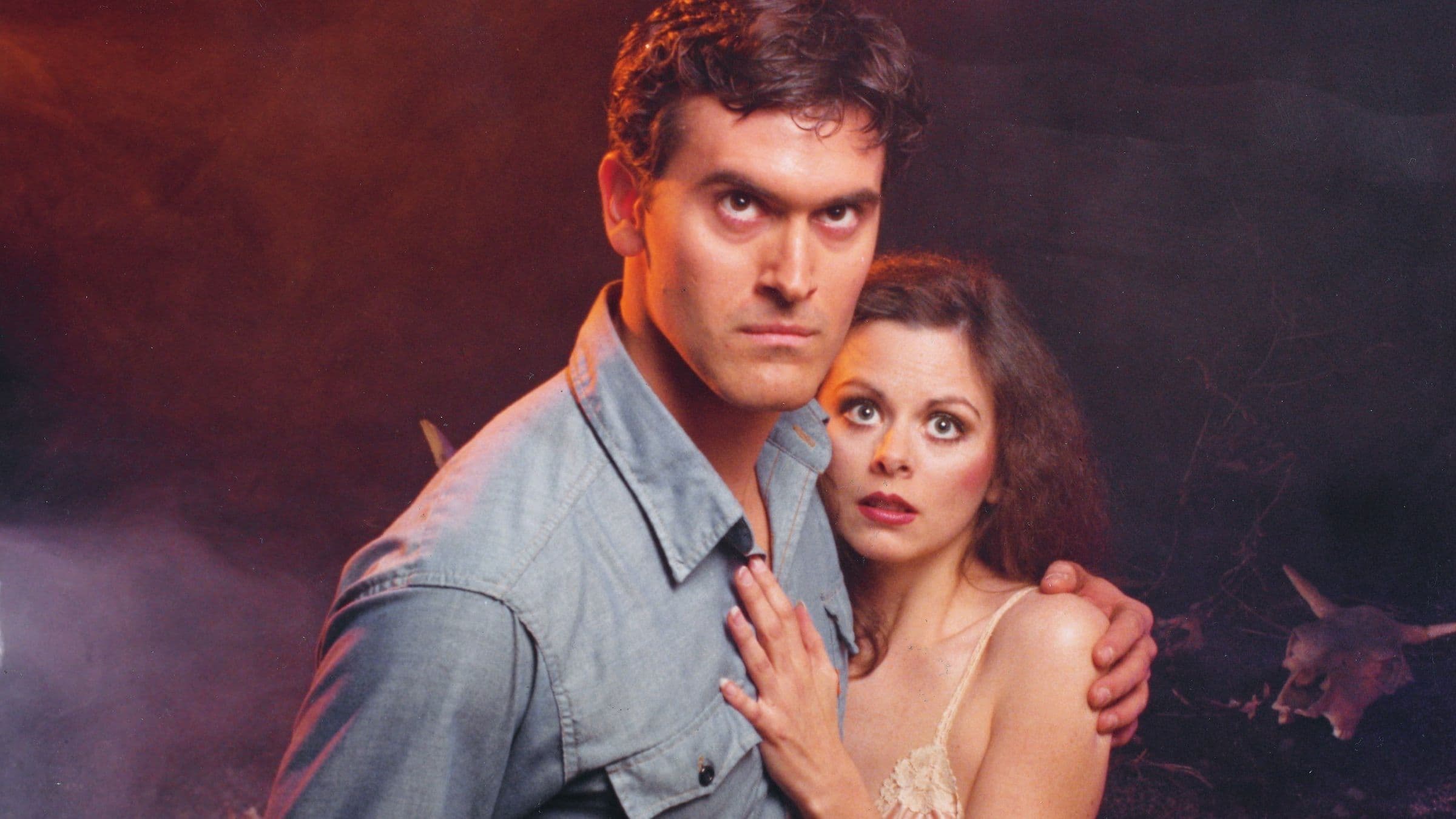
Army of Darkness serves as a third entry in the Evil Dead series, following Evil Dead and Evil Dead II. In this film, Ash Williams, portrayed by Bruce Campbell, is transported back to medieval times after a mishap with the Necronomicon, a book of dark magic. Aimlessly fighting to secure his safety and return home, Ash’s journey is punctuated by the chaos of battling the undead and navigating the absurdities of medieval life.
While Army of Darkness is predominantly a horror-comedy, it encapsulates themes commonly found in classic science fiction. The phrase "Klaatu Barada Nikto"—arguably one of the most recognizable quotes in sci-fi—serves as a crucial narrative device in The Day the Earth Stood Still. In that film, it is a command that brings the alien guardian Klaatu’s robot, Gort, to action, symbolizing peace and the imperative of understanding across different worlds.
The use of this catchphrase within the context of Army of Darkness delivers a comedic twist. Ash, who inadvertently utters the phrase, triggers a series of events that further complicate his already chaotic situation. This playful homage ties the two films together, establishing a connection that highlights the continuity of genre innovation and storytelling.
Main Characters
The central figure in the Evil Dead franchise is Ash Williams, played by Bruce Campbell, whose character evolves significantly from a hapless college student in the original film to a confident, albeit flawed, hero in Army of Darkness. His bravery and alarming wit set the stage for much of the humor and action that unfolds.
Supporting Ash are a cast of intriguing characters, each of whom adds depth to the medieval narrative:
- The Wiseman: A character representing wisdom and old-world charm, he aids Ash in understanding the seriousness of the Necronomicon.
- Henry the Red: A brazen warrior who initially opposes Ash but later becomes a reluctant ally in the fight against evil.
- Evil Ash: The dark doppelgänger of Ash who embodies his fears and insecurities, adding a layer of conflict that highlights personal vs. universal battles.
This ensemble, filled with both comedic and dramatic elements, helps bridge gaps between horror and science fiction, demonstrating that dualities can coexist within the genre.
Ending or Latest Episode Explained
Army of Darkness culminates in a chaotic battle against the undead and a final confrontation with Evil Ash. Ash's victory, however, does not come without consequence; he is ultimately faced with a choice that tests not just his strength but also his responsibility. The ending sees Ash using the Necronomicon's power to get back home, but there’s a catch. When given a choice to ingest a potion to ensure his return to the modern world, Ash recklessly overshoots his dose, leading to a mishap that leaves ambiguity about his future.
This ending, much like the rest of the film, is infused with humor and absurdity. Fans are left wondering about the implications of Ash's actions, especially considering the sci-fi elements tied into the narrative through his earlier encounters, including the dialogical nod to The Day the Earth Stood Still. Both films historically show characters wrestling with moral and existential dilemmas, fostering a dialogue across genres that complicates and enriches their narratives.
What Could Happen Next
While Army of Darkness concluded its story with Ash's haphazard adventure, the Evil Dead franchise has taken on a life of its own through reboots and spin-offs. Fans are left to speculate on Ash's fate and the crossover potential of additional sci-fi elements in future productions. Given the resurgence of interest in the franchise—prompted by recent remakes and series based on the original texts—there is fertile ground for new explorations. Future narratives could delve deeper into Ash's ties to other iconic sci-fi realms or introduce new characters inspired by the legacy of the Necronomicon.
The potential for sequels or reboots opens up a dialogue about how genres can innovate and connect with one another, hinting at a broader cinematic universe beyond conventional boundaries. This could also lead to fresh storylines that explore what powers the Necronomicon truly holds and how it interacts with other mythologies.
Why This Is Trending
The intersection of horror and sci-fi is increasingly resonating with audiences, with Army of Darkness remembered for its inventive humor and unique approach to storytelling. As fans revisit classic films and discover their connections, discussions about influential phrases like "Klaatu Barada Nikto" are reignited. This serves to remind viewers of the thin line between genres and how film history continuously influences contemporary storytelling. Additionally, with new adaptations and reboots, there's renewed interest in how such connections can be leveraged for engaging, cross-genre narratives.
Final Thoughts
The unexpected connection between the Evil Dead franchise and classic sci-fi movies like The Day the Earth Stood Still enriches the viewing experience and highlights the enduring legacy of both genres. With memorable phrases, iconic characters, and complex narratives, these films serve as a testament to the power of storytelling across varied landscapes. As fans continue to explore and debate these connections, it’s evident that the dialogue between horror and sci-fi will remain a significant part of cinematic discussions in the future.