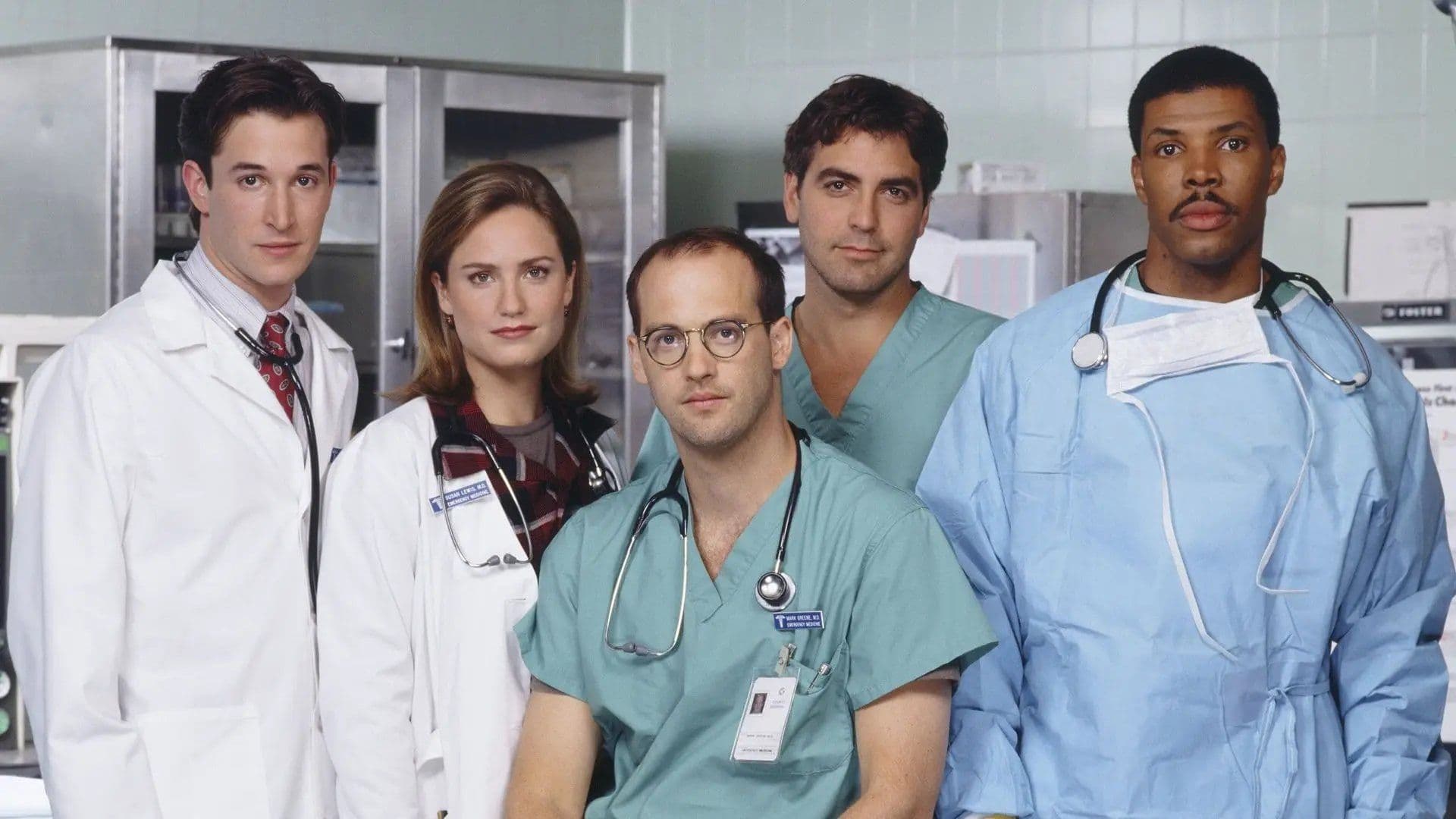
ER: Every Doctor Who Died On The Show (& How)
The medical drama ER, which aired for an impressive 15 seasons on NBC, is renowned for its intense storytelling and complex characters. Over its run, the show took viewers on a rollercoaster of emotions, particularly through the tragic deaths of its beloved doctors. These character arcs were not only crucial to the overall narrative but also showcased the harsh realities of life in a bustling emergency room.
In this article, we’ll break down each doctor who met their demise on ER, how they died, and the impact of their departures on both the storyline and the audience's experience.
Quick Summary
ER’s storytelling brilliance is demonstrated through its willingness to embrace the brutal truths of life and death in the medical field. Characters evolved over time, and some faced fates that were deeply heartbreaking. As we reflect on these losses, it’s crucial to understand how they influenced the other characters and the show's overall tone.
Story Setup
ER, developed by Michael Crichton, premiered in 1994 and quickly became a cultural phenomenon. Positioned in the emergency department of Chicago's County General Hospital, the series intricately explored the interactions between doctors, nurses, and patients. Through its intense medical cases and character-driven plots, ER highlighted the challenges faced by healthcare professionals. Each episode offered captivating storylines interwoven with the drama of life-saving decisions and personal sacrifices.
As the show progressed, the stakes grew higher, illustrating that medical professionals, despite their expertise and training, could also face devastating outcomes. The deaths of key characters not only led to shocking moments but also compelled the remaining cast members to confront their mortality and responsibilities in ways that resonated with viewers.
Main Characters
Throughout its run, ER was home to an ensemble cast featuring a multitude of memorable characters. Here are just a few of the key doctors whose journeys were tragically cut short:
-
Dr. Mark Greene (Anthony Edwards): As one of the original characters, Dr. Greene’s death from brain cancer in season 8 was a significant moment in the series. His gradual decline drew viewers into the emotional weight of health and loss, culminating in a bittersweet farewell.
-
Dr. Lucy Knight (Kellie Martin): In the fifth season, Dr. Knight experienced a harrowing end when she was stabbed by a mentally ill patient. This shocking incident not only devastated her colleagues but also highlighted the vulnerabilities faced by hospital staff.
-
Dr. Robert Romano (Paul McCrane): Dr. Romano’s story concluded with a tragic accident when he was crushed by a falling helicopter in season 10. His death signified the chaos and unpredictability of medical life, even for those who seemed untouchable.
-
Dr. Peter Benton (Eriq La Salle): Although not a death in the traditional sense, Dr. Benton made a significant sacrifice, choosing to leave the ER to ensure his son’s safety. His exit demonstrated the life-altering decisions doctors often face outside of the operating room.
-
Dr. Dubenko (John Aylward): His character faced an untimely demise, reminding audiences of the fragility inherent in every life, even those who work to save others.
These characters and their respective arcs are just a glimpse into the myriad of choices and events that shaped ER’s heart-wrenching narratives about loss and resilience.
Ending or Latest Episode Explained
As ER drew to a close, it retained its emotional intensity and profound storytelling that had, for years, captivated its audience. The departures of major characters left a lingering impact throughout the final seasons. Although this article focuses on the doctors who died, it is worth noting that the show's conclusion brought together many of its beloved characters for a fitting send-off. This bittersweet finale added layers to the relationships formed over the years and underscored the theme of family that permeated the series.
While the tone was often somber, episodes toward the end still blended moments of hope. It highlighted the resilience of those left behind, showcasing the memories of those who had faced the ultimate sacrifice in their dedication to the medical profession.
What Could Happen Next
Speculation about the impact of ER’s narrative choices remains a popular topic among fans even years after its conclusion. Given its legacy, there could be a resurgence of interest in the series for spin-offs or reboots that delve into the lives of new characters inspired by its iconic predecessors.
Furthermore, ongoing discussions about healthcare and the challenges medical professionals face today could provide a modern context that resonates with younger audiences. The legacy of ER might inspire future writers to explore new, yet relatable storylines that reflect the ongoing struggles in the field of medicine.
Why This Is Trending
The deaths of doctors within ER have consistently sparked discussions about health, mortality, and the emotional impacts on healthcare workers. The series’ willingness to depict such challenging topics resonates even in today’s context, where many continue to grapple with loss and the realities of medical emergencies. As audience members return to the classic series, they become reminded of its groundbreaking approach to storytelling.
On social media and entertainment platforms, the nostalgia surrounding these deaths often brings forward discussions of poignant moments that left an imprint on viewers, ensuring that ER remains relevant in conversations about the portrayal of doctors on television.
Final Thoughts
The tragic deaths of doctors in ER serve as a reminder of the unpredictability of life. Through emotional storytelling, the show illustrated the sacrifices made by medical professionals and underscored the connections formed between characters and audiences alike. As viewers reflect on these moments, it’s clear that ER not only captured the heartache of loss but also celebrated the strength inherent in those who continue to fight for life in the face of adversity. The legacy of these characters and their experiences will continue to resonate long after the show's conclusion.


