Introduction
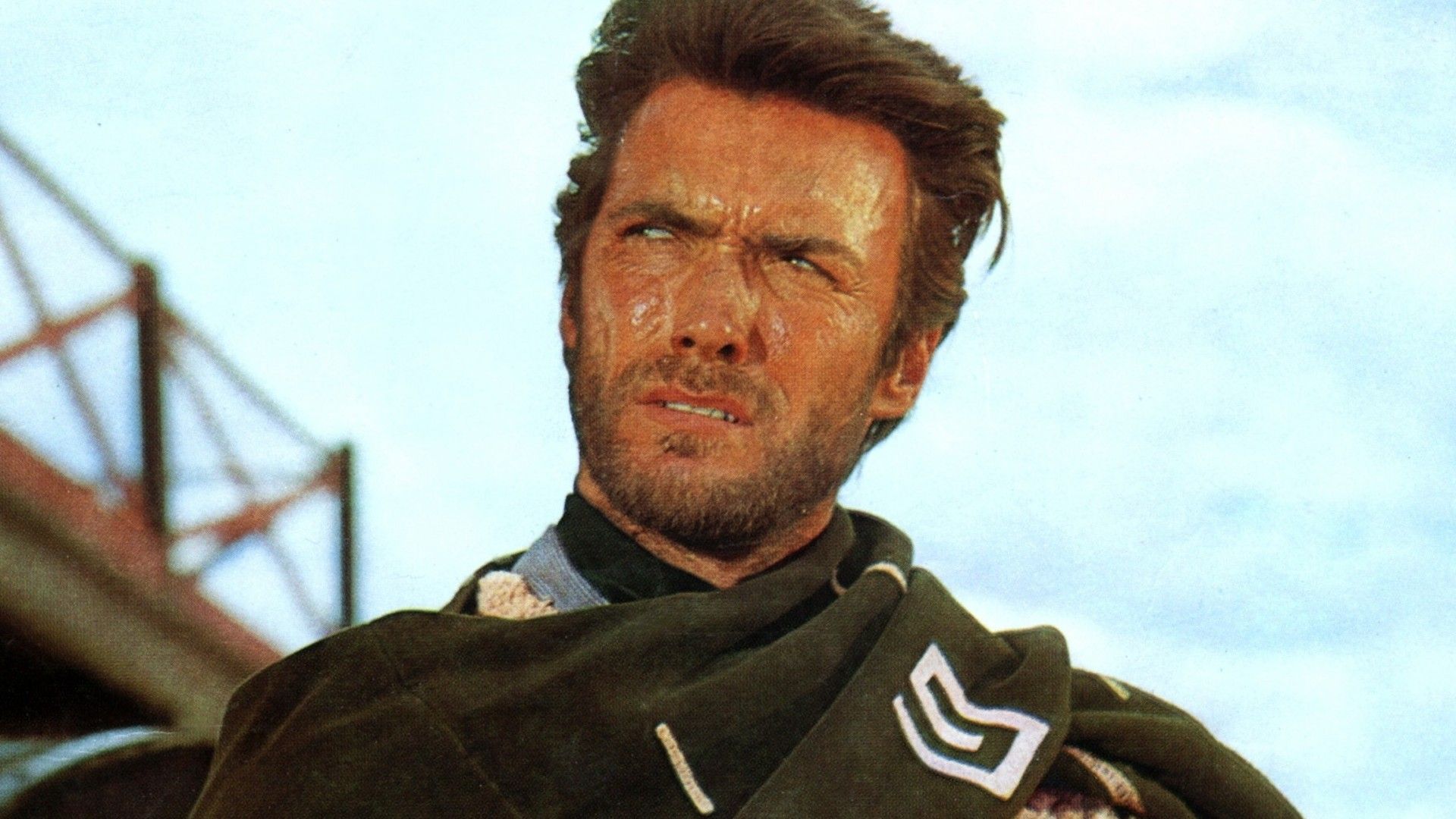
The world of cinema is always evolving, and the genre of Western movies has seen its fair share of ups and downs. With recent announcements regarding iconic actor Clint Eastwood's retirement, the landscape of Western films is shifting dramatically. This could very well signify the end of an era for a genre that has shaped American culture over the last 68 years. In this breakdown, we’ll delve into the significance of this change, the current state of Western movies, and what it may mean for future filmmakers and audiences alike.
Quick Summary
Western films have been a staple in American cinema since the early 20th century, echoing tales of bravery, adventure, and moral conflict in the untamed American frontier. However, as shifts in audience preferences and cinematic styles take place, the genre is now perceived to be facing an uncertain future. Clint Eastwood, often hailed as one of the most profound figures in the Western genre, has announced his retirement, marking a shift not only for his career but also for the entire genre. With this significant change, fans and critics alike are left to ponder what lies ahead for Western movies.
Story Setup
The emergence of Western films can be traced back to the silent film era, captivating audiences with tales of lawlessness and heroic outlaws. Over the decades, the genre has diversified, introducing complex narratives that often feature a struggle between good and evil, influenced heavily by American ideals of justice and freedom. Iconic films like "The Good, The Bad, and The Ugly" and "Unforgiven" have set a high bar for storytelling within this genre, elevating it from mere entertainment to a commentary on American society.
However, despite its esteemed history, the Western genre has faced significant challenges in recent years. The rise of diverse storytelling and inclusion of various narratives in cinema has shifted audience focus, resulting in Westerns becoming less commercially viable. This evolution reflects broader cultural trends and questions surrounding representation and storytelling, calling into question whether the classic tropes of Westerns resonate with contemporary viewers.
Main Characters
While Clint Eastwood has been a defining character in Western cinema, his contributions are deeply entwined with other influential figures in the genre. Legendary actors such as John Wayne, Henry Fonda, and more recently, actors like Jamie Foxx and Chris Pratt have all added their unique flair to this timeless genre. Each character they portrayed brought forth memorable narratives replete with grit, humor, and raw emotion—elements that have kept audiences engaged for generations. Eastwood himself has not only acted but also directed several pivotal films that explored the Western mythos, adding depth to his legacy.
As the genre progresses or potentially declines, the central question is whether new characters can emerge from contemporary actors who can reinvigorate interest in Western films. With talent such as Sam Rockwell, Timothy Olyphant, and even Jennifer Lawrence, the future may hold hidden gems, but the challenge remains substantial.
Ending or Latest Episode Explained
In terms of significant endings in the Western genre, with Clint Eastwood’s retirement, fans are left reminiscing about his final projects and contemplating the legacy left behind. Films like "Cry Macho" serve as poignant bookends to his storied career. While Eastwood may step away from the camera, his impact will undoubtedly persist, igniting discussions on what constitutes a Western moving forward. The narrative fabric of Westerns will likely evolve as filmmakers experiment with themes of morality, heroism, and identity, reshaping our understanding of what Western stories can be.
Based on available public metadata, it seems that there are no immediate successor films that echo the characteristics of classic Westerns, but recent indie films have tackled Western elements in innovative ways that hint at a possible revival for the genre—embracing new storytelling while honoring traditional roots.
What Could Happen Next
As the typical tropes of Western films continue to be reevaluated, potential directions for the genre abound. Here are a few possible trajectories:
- Reimagined Narratives: Filmmakers could reinterpret classic Western storylines through diverse perspectives. This might include focusing on women, marginalized communities, or even adapting non-Western narratives into the genre’s framework.
- Modern Westerns: Integrating contemporary socio-political issues into the backdrop of Western storytelling could bring relevance to new audiences, reflecting current themes of justice, law, and societal divides.
- Revival of Western-themed Media: With the rise of streaming platforms, the potential for robust episodic Western dramas has grown, similar to how "Yellowstone" breathed new life into the genre.
Overall, while the traditional Western may be fading, the essence of the genre may find renewed expression in different formats and storytelling structures, providing room for innovation.
Why This Is Trending
The retirement of Clint Eastwood not only marks the end of a singular career but symbolizes a threshold of change for the Western genre. Fans, critics, and industry insiders alike are abuzz with discussions ranging from nostalgia for classic Westerns to anxious speculation over the direction of future films. Social media platforms are rife with tributes to Eastwood’s work alongside calls for new visionaries to reanimate the genre from its resting state.
In addition, cultural conversations surrounding representation in film add another layer to the ongoing trend. As viewers seek narratives that reflect diverse experiences, the push for inclusivity in storytelling becomes more pronounced, creating a paradox in which Westerns must adapt or risk obsolescence.
Final Thoughts
The announcement of Clint Eastwood's retirement serves as not just a personal milestone but a landmark event in the Western film genre. While it marks the potential end of an era steeped in rich history and tradition, it opens the door for new voices and ideas to take center stage. The future of Western films may hold both challenges and opportunities, presenting filmmakers with the chance to redefine a genre that has captivated audiences for nearly seven decades. In this transformative moment, fans can only hope that the essence of what made Western movies so impactful can be channeled into fresh stories that resonate with new generations. The legacy of the Western genre, accompanied by Clint Eastwood’s storied career, certainly leaves us eager for what lies ahead.