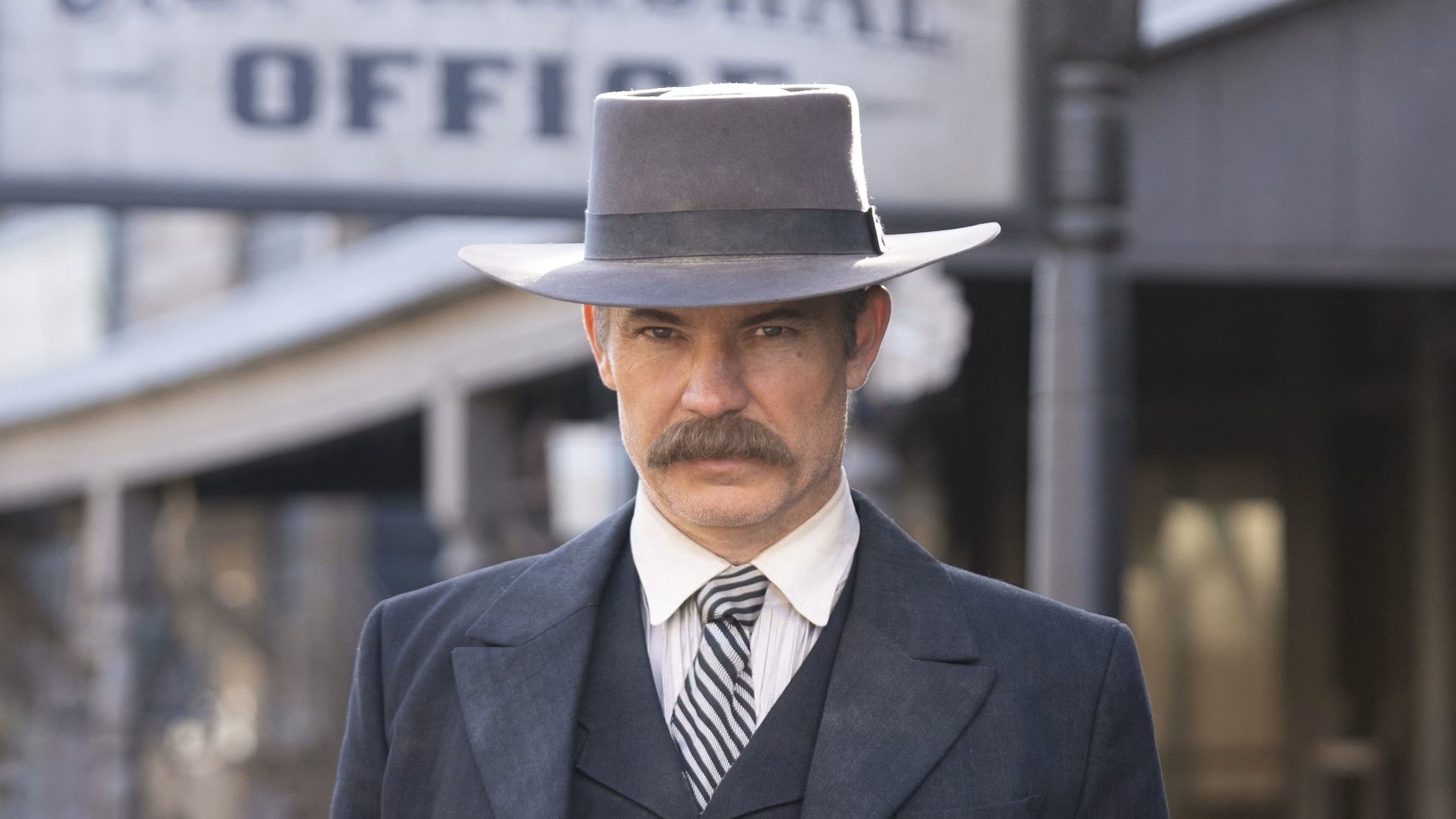
Deadwood: HBO's Only Perfect Western Series
HBO's "Deadwood" remains a monumental achievement in television history, setting the gold standard for Western series with its rich storytelling, complex characters, and gritty realism. While newer series like "Yellowstone" have reignited interest in the Western genre, it is crucial to recognize that HBO pioneered this revitalization with a show that is often hailed as one of the best in television history. Based on available public metadata, let's break down what makes "Deadwood" so remarkable.
Quick Summary
Originally aired from 2004 to 2007, "Deadwood" is a Western drama set in the late 1800s. The series follows the inhabitants of a lawless town in South Dakota, depicting their struggles for power, survival, and community in a world of chaos and violence. Critics and audiences alike praise the show for its compelling narrative and rich character arcs, establishing its reputation as HBO's only perfect Western series.
Story Setup
"Deadwood" is set in the eponymous South Dakota town, a settlement that epitomizes the untamed frontier during the late 19th century. Aspects like lawlessness, gold prospecting, and emerging social orders provide the backdrop against which the characters navigate their lives. The narrative revolves around the intersection of historical figures such as Al Swearengen, the ruthless saloon owner, and Seth Bullock, an out-of-town lawman determined to establish law and order in Deadwood.
The series brilliantly captures the transformation of Deadwood from a mining camp to a burgeoning town, rife with corruption, ambition, and an ever-present struggle between moral dilemmas and survival. The dialogue brims with sharp wit and poetic language, keeping viewers engaged while offering deep philosophical insights into human nature. With each episode, the layered storytelling weaves together themes of community, morality, and the American Dream against the backdrop of the harsh realities confronting the characters.
Main Characters
- Al Swearengen (Ian McShane): The most infamous resident of Deadwood, Swearengen is a complex character—a charismatic yet cruel saloon owner who runs the town with an iron fist. His cunning manipulation and strategic planning reveal the darker aspects of human nature.
- Seth Bullock (Timothy Olyphant): A former lawman, Bullock seeks to establish legitimacy in the tumultuous environment of Deadwood. His moral compass often clashes with the lawlessness around him, creating an internal conflict that drives his character development.
- Martha Bullock (Anna Gunn): Seth's wife, whose character adds an emotional depth to Seth's story arc. Martha helps moderate the chaotic influences of the town, symbolizing a sense of home and family.
- Trixie (Paula malcomson): A strong-willed prostitute, Trixie's story intersects with the various dynamics of power, gender, and survival, further adding dimension to the narrative.
- Doc Cochran (Brad Dourif): The town's only physician, Doc serves as both healer and observer, often providing critical insights into the human condition amidst the surrounding chaos.
These characters, among others, create a rich tapestry that portrays the convergence of human ambition and desperation, underscoring the moral complexities of their choices—central themes that resonate throughout the series.
Ending or Latest Episode Explained
The series concluded in 2007 with a 2-hour movie that wrapped up storylines and character arcs left hanging at the end of its third season. Although the show ended prematurely, the movie, titled "Deadwood: The Movie," was released in 2019 and provided closure for fans and characters alike. The showdown between the forces of law and lawlessness is brought to a head, highlighting how far the characters have evolved over the years. The emotional weight of the characters' journeys culminates in poignant moments that reflect on their struggles for identity and redemption in an unforgiving world.
What Could Happen Next
As of now, there is speculation about the future of the Western genre, especially given the revival of interest stemming from shows like "Yellowstone." The landscape of Western storytelling could shift as new voices emerge to explore this classic genre through a modern lens. While no direct continuation of "Deadwood" has been announced, the show's influence continues to inspire new content.
Moreover, with the rise of streaming platforms and evolving viewer preferences, the Western genre may see innovative interpretations, possibly leading to original series that pay homage to the gritty realism and character depth that "Deadwood" championed. New creators could draw upon the lessons of its storytelling and production quality to craft narratives that resonate with today’s audience.
Why This Is Trending
"Deadwood" is trending for several reasons. First, its legacy as a groundbreaking series continues to resonate, drawing in viewers who appreciate high-quality storytelling and complex characters. Second, the ongoing popularity of the Western genre, boosted by series like "Yellowstone," highlights the need to revisit the classics that laid the groundwork for contemporary storytelling. Fans often discuss how "Deadwood" set an early precedent for character-driven narratives and a more nuanced portrayal of the Wild West, making it a frequent topic in entertainment circles.
Additionally, the recent revival of interest in period dramas adds even more fuel to the fire, as modern audiences seek out shows that combine historical elements with emotional storytelling. This enduring appeal ensures that discussions about “Deadwood” will remain a part of pop culture.
Final Thoughts
In conclusion, HBO's "Deadwood" remains a timeless piece of television, defined by its unparalleled storytelling and complex characters. As a cornerstone of the Western genre, it paved the way for future shows, earning its place as HBO's only perfect Western series. With its rich narrative depth and cultural significance, "Deadwood" continues to inspire both new and seasoned viewers alike, proving that great storytelling knows no expiration date. Whether you are revisiting the series or discovering it for the first time, the journey through Deadwood is one that promises to leave a lasting impact on your appreciation for the genre.