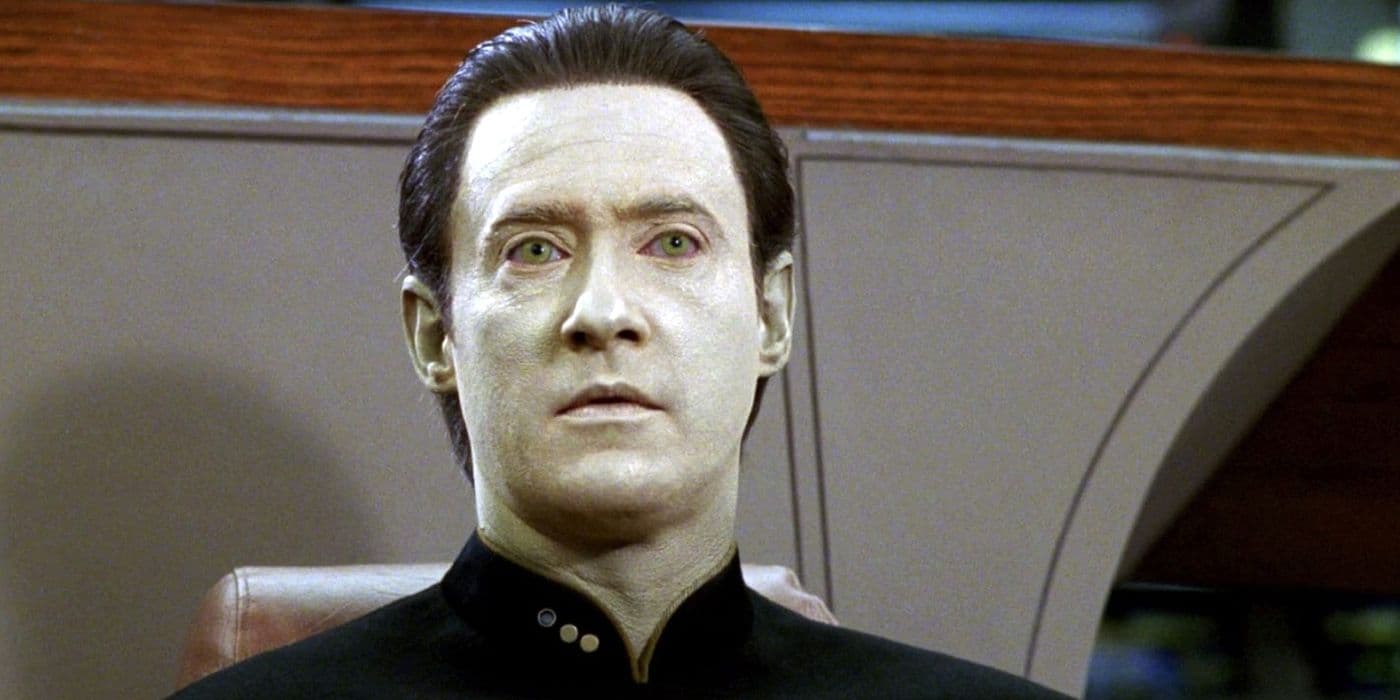
Data’s Greatest TNG Line Remains the Most Powerful Star Trek Quote
In the expansive universe of Star Trek, few quotes resonate with the same weight as Data’s heartfelt line to his daughter, Lal, encapsulating a core belief of the franchise: the flaws of humanity and the celebration of diversity. With its profound implications on the narrative of Star Trek: The Next Generation (TNG), this quote serves as a vivid reminder of the series’ commitment to exploring the human condition through the lens of science fiction.
Quick Summary
Data’s poignant declaration emphasizes that prejudice is humanity's weakness. This exploration of identity, acceptance, and prejudice not only enhances Data’s character but also offers a compelling commentary on societal issues. The quote has transcended its episodic context, becoming a rallying point for discussions around diversity and acceptance in both the Star Trek universe and the real world.
Story Setup
In the TNG episode titled "The Offspring," Data, the android operations officer aboard the Starship Enterprise, creates a daughter named Lal. This storyline is pivotal as it delves into themes of artificial intelligence, identity, and the complexities of parent-child relationships. Data attempts to provide Lal with a life, instilling her with a sense of identity while confronting the father's biases and societal perceptions surrounding what it means to be alive.
As Lal grapples with her own identity and desires, Data’s struggle to educate her emphasizes his empathy, showcasing that not only is he programmed to understand emotions, but he actively seeks to navigate them in a way that resonates with humanity. This dynamic adds layers to the narrative, portraying both Data's and Lal's journeys of self-discovery amidst the backdrop of their synthetic origins.
Main Characters
-
Data: The iconic android who serves as the Enterprise's chief operations officer. His quest for humanity and understanding of emotions showcases his depth and serves as a fundamental catalyst for many philosophical questions raised throughout the series.
-
Lal: Data’s daughter, created by him to explore themes of emotions and identity. Her journey is central to the episode's exploration of what it means to be human, despite her synthetic origins.
-
Captain Jean-Luc Picard: The moral compass of the Enterprise and a mentor figure for Data. Picard’s guidance is crucial in aiding Data’s understanding of human emotions and societal norms.
-
Commander William Riker: Picard's first officer who often provides insight into the human experience, serving as a contrast to Data's logical perspective.
-
Dr. Beverly Crusher: The ship's Chief Medical Officer, who provides a medical and ethical perspective in conversations about biology, emotion, and relationship dynamics.
Ending or Latest Episode Explained
As the episode progresses, the profound moment occurs when Lal's existence challenges the Enterprise crew's perceptions of what it means to be sentient. Amidst the inevitable complexities, Data's defining line—highlighting that prejudice is humanity’s flaw—serves as an emotional climax. This moment encapsulates the struggle of understanding and acceptance not only within the narrative but also reflecting broader societal issues. The resolution of Lal's storyline is both poignant and tragic, underscoring the emotional weight that precedes Data's speech. This line, filled with emotional resonance, captures Data's ongoing quest for humanity while leaving an indelible mark on viewers' hearts.
What Could Happen Next
While Star Trek: The Next Generation concluded its run decades ago, Data’s themes of identity and bias continue to echo through modern iterations of Star Trek. Future series could explore the repercussions of Data’s journey, particularly as discussions about artificial intelligence and diversity advance in contemporary scientific and ethical conversations.
The upcoming projects from the Star Trek universe are expected to dive deeper into related themes, potentially reexamining the significance of Data’s line against today’s landscape of societal prejudice and acceptance. Moreover, the further development of synthetic beings and their rights could bring back the legacy of Data and Lal, allowing new narratives to unfold. With the recent resurgence of interest in TNG through various platforms, fans are eager for representations of diversity, identity, and acceptance grounded in relatable narratives.
Why This Is Trending
Data’s line has resurfaced in conversations about equality and social justice within both fan communities and broader cultural discussions. The exploration of prejudice—highlighted through a character who embodies both technological advancement and emotional depth—positions this quote as eternally relevant.
In the context of ongoing dialogues surrounding race, gender, and identity, Data’s poignant remarks provide a historical touchstone that emphasizes the need for inclusive narratives across all forms of media. The resurgence in Star Trek fandom, driven by new content and evolving societal discourse, ensures that acclaimed moments like these remain alive and significant.
Final Thoughts
Data’s heartfelt assertion that prejudice is humanity's weakness is more than just a line; it encapsulates the essence of Star Trek’s exploration of the human condition. As we navigate an ever-evolving world filled with rich diversity, this sentiment resonates deeply, urging us to reflect, discuss, and ultimately embrace the shared experiences that unite us, regardless of our origins.
In a franchise dedicated to exploring the complexities and wonders of existence, Data’s powerful statement stands as a reminder of the journey that still lies ahead for humanity—a journey toward understanding, acceptance, and connection.

