The Most Controversial Anime Endings That Divided the Internet
Anime endings can be a make-or-break element for shows, often determining how fans remember a series long after its conclusion. Some conclusions resonate with audiences, while others spark debates that can last for years. The most controversial anime endings not only divide opinions but also shape online discussions, impacting fandoms significantly. In this article, we take a look at some of these infamous endings, exploring why they generated uproar and how they illustrate the complexities of storytelling in anime.
Quick Summary
In the dynamic world of anime, the finale of a series can evoke a rollercoaster of emotions—from elation to disappointment. Endings that were highly anticipated can sometimes result in dissatisfaction, leading to a divided fanbase. This article dives into several of these contentious conclusions that have left the anime community buzzing.
Story Setup
Many anime series are built on rich narratives and character development that fans invest time and emotions into. From epic adventures to heartwarming tales, audiences often form attachments with the characters and their journeys. However, positioning these climactic moments in a way that resonates with everyone is no small feat. The intricacies of plot twists, character arcs, and thematic conclusions play critical roles, and when they don’t land as intended, the ripples can be felt throughout the community. Controversial endings often stem from an unexpected plot twist, a failure to resolve critical narratives, or even an unpopular decision regarding a major character's fate.
Main Characters
In many anime, the characters are the heart of the story. Their motivations, relationships, and developments are key to viewer investment. For instance, take a look at series like Attack on Titan or Neon Genesis Evangelion; they feature complex protagonists whose choices and growth are pivotal. Displeasure about a character’s ending, whether due to their fate or the choices they make, can heavily influence how fans perceive the overall conclusion of the series. The emotional connection between audiences and these characters amplifies the controversy when endings don’t align with the fans' expectations.
Ending or Latest Episode Explained
The endings that tend to provoke the most dialogue typically break from conventional storytelling norms, making fans question the creators' intentions. In contrast to tidy resolutions, some series choose to leave arcs unresolved or offer surprising twists that some viewers may find unsatisfactory. For instance, a character's unexpected demise or a relationship that ends unlike previous fan theories can contribute to this divisive atmosphere. Not all series finish on a high note, and those that conclude on a note of ambiguity or tragedy can leave viewers in a heated debate over what the ending truly means.
Some prominent examples of divisive endings include:
- Neon Genesis Evangelion - With its abstract conclusion and psychological depth, many fans were polarized by the surreal ending that left questions unanswered.
- Game of Thrones (while not traditional anime, its crossover appeal resonates with anime fans) - The final season received heavy criticism for perceived character regressions and rushed story arcs, which alienated many loyal followers.
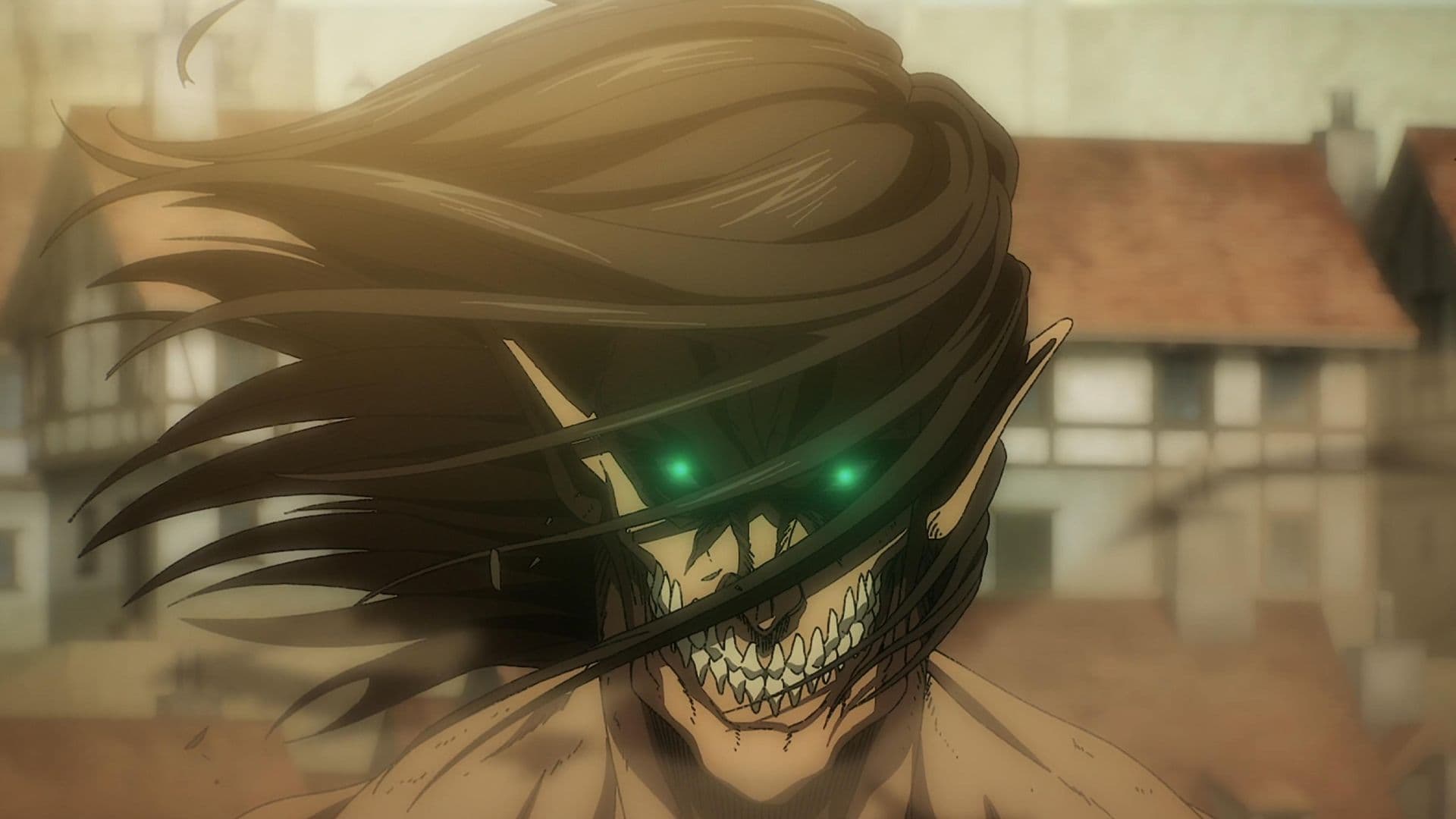
- Attack on Titan - As the series concluded, several key decisions surrounding beloved characters sparked massive debates regarding loyalty, morality, and judgment.
- The Promised Neverland - Ending in a way that diverged markedly from the early narrative led to mixed reactions from fans who initially had high hopes.
What Could Happen Next
While debating the effectiveness of these endings, fans often speculate about potential futures for the characters or the storyline as a whole. Discussions about spin-offs, reboots, or alternate endings dominate forums and social media platforms as fans attempt to rewrite narratives that they feel fell short. Creatively reinterpreting the narrative can allow fans to heal from a disappointing conclusion, transforming their perspective and even leading to fan-created content, like fanfictions or art.
There is also a growing trend of creators revisiting controversial endings in sequels or films, hoping to address fan concerns or offer deeper explanations. This re-engagement with a controversial narrative can provide closure for both the creators and the audience, potentially transforming an ending from disliked to beloved.
Why This Is Trending
The recent surge in discussions surrounding anime endings links to several factors—the growth of anime's popularity globally and the rise of social media platforms that facilitate rapid communication among fans. Furthermore, the accessibility of numerous anime series allows viewers to engage with both classics and new releases. As narratives get dissected and debated, older shows are revived in discussions, creating a cyclical trend of renewed interest around controversial conclusions. Online platforms serve as a battleground for opinions as fans passionately defend or critique their beloved (and sometimes loathed) endings, leading to viral conversations that draw in even those who may not have watched the series.
Final Thoughts
Controversial anime endings are a testament to the impact storytelling can have on viewers. While some fans may walk away feeling disappointed or betrayed, the debates that arise often reflect deeper passion for the medium. The discussions surrounding these endings encourage creativity, community building, and critical thinking about narrative structure, character development, and viewer expectations.
As new anime series air and others conclude, the cycle of controversy and debate will likely continue, shaping the landscape of fandom for years to come. In the end, whether you admire or lament a particular ending, the discussions they generate will keep the spirit of anime alive and thriving, ensuring those series will be remembered long into the future.