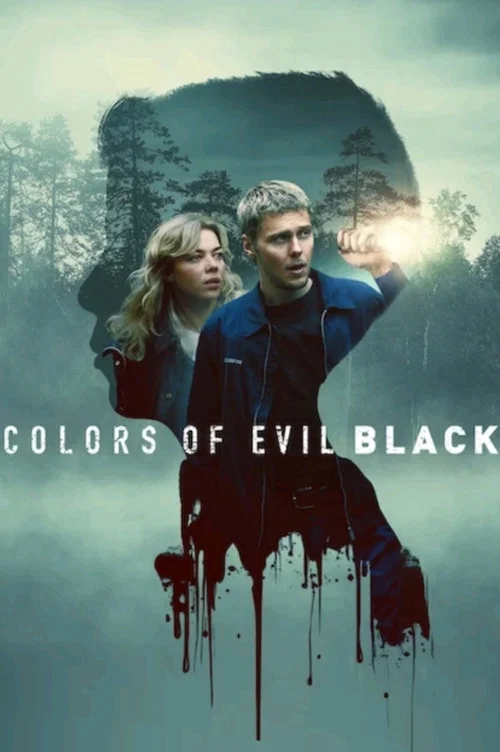
Colors of Evil: Black Explained: Story, Ending, Cast, and What Happens Next
In a world where chilling legends intertwine with reality, Colors of Evil: Black emerges as a gripping thriller set against the backdrop of a remote Polish town. Scheduled for release on June 10, 2026, this film promises to captivate audiences with its intricate storytelling and suspenseful narrative. Prosecutor Leopold Bilski finds himself in the middle of a dark investigation involving the mysterious disappearance of children, which leads him down a twisted path of local folklore and hidden truths.
Quick Summary
In Colors of Evil: Black, we follow prosecutor Leopold Bilski as he unravels a sinister local legend while investigating a series of troubling child disappearances. The atmospheric setting, combined with a blend of horror and mystery, sets up a narrative that keeps viewers on the edge of their seats, questioning what is real and what is merely folklore.
Story Setup
The story begins in a small, secluded Polish town plagued by unsettling events. Children begin to vanish without a trace, casting a shadow of fear over the community. As local parents desperately search for answers, the authorities are forced to step in. Enter Leopold Bilski, a determined prosecutor tasked with uncovering the truth behind these alarming cases.
Life in this remote town is fraught with tension, as unsolved mysteries from the past resurface. Rumors of a malevolent force connected to a local legend further complicate the investigation. Villagers are torn between their deep-rooted beliefs and an overwhelming sense of dread, making Bilski's job all the more challenging.
As Bilski delves deeper, he encounters townspeople reluctant to share their stories, hinting that these disappearances might be linked to ages-old folklore—legends that hold the power to instill fear in the hearts of even the bravest souls. The struggle between Bilski’s reason and the mythological undercurrents ultimately leads the story into darker territory, where the line separating truth from fiction begins to blur.
Main Characters
-
Leopold Bilski – The film's protagonist, a passionate prosecutor who is determined to solve the mystery of the missing children. His character grapples with personal demons and professional ethics as he seeks to unveil the town's hidden horrors.
-
Local Villagers – Various residents of the town provide insight into the folklore that clings to their community. Some are supportive of Bilski, while others are secretive and defensive, fearing the repercussions of dredging up the past.
-
Witnesses – As Bilski interviews witnesses and suspects, he encounters stories of the supernatural that may link back to the children’s disappearance.
-
The Legend – Not a character in the traditional sense, but the localized legend itself serves as a crucial part of the narrative, haunting the characters and influencing their responses to the ongoing investigations.
Ending or Latest Episode Explained
Since Colors of Evil: Black has not yet premiered, details surrounding its ending remain speculative, based on available public metadata. However, as the story is expected to culminate in a tense showdown between Bilski and the dark forces representing the local legend, viewers can anticipate twists that challenge Bilski’s understanding of reality.
There’s likely to be a moment of revelation when Bilski realizes that the truth behind the children’s disappearance is more complex than a simple explanation. The culmination may force both him and the audience to reconsider the nature of evil and its manifestation within folklore, leading to a chilling finale that reverberates through the town.
What Could Happen Next
Given the movie's focus on local legends and unresolved mysteries, the potential for sequels or spin-offs could be vast. If Bilski's journey proves to be a successful blend of critical and audience acclaim, subsequent films might explore other local legends and their impacts on folklore and societal behavior. Imagine how Bilski could evolve to tackle new legends—each steeped in its own sense of cultural fear and moral ambiguity.
Additionally, as the film taps into themes of parental fear and the lengths one would go to protect their loved ones, it could lay the groundwork for an anthology series where each installment delves into different folktales across various cultures, providing a global perspective on the essence of evil in humanity.
Why This Is Trending
Colors of Evil: Black is generating buzz even before its release due to its amalgamation of horror, mystery, and folklore. The investigative angle, paired with a rich cultural backdrop, resonates with modern audiences who are intrigued by psychological thrillers that blend historical context with suspense.
Moreover, the growing popularity of films that explore urban legends and folklore in a contemporary light has propelled its popularity. As viewers crave unique storytelling experiences that challenge traditional narratives, the film’s premise seems positioned to meet this demand effectively. The expert casting and elaborate setting serve to heighten anticipation further.
Final Thoughts
With Colors of Evil: Black, audiences are set for a haunting journey through the intricacies of folklore, evil, and the human psyche. As prosecutor Leopold Bilski navigates the treacherous waters of a town cloaked in mystery, viewers are likely to find themselves at the edge of their seats, questioning their understanding of fear, folklore, and the nature of evil itself.
As we await its release, the film’s intriguing premise and profound themes promise to leave a lasting impression on all who dare to uncover what lies within the shadows of this Polish town. Grab your popcorn, because once the lights dim, you may find yourself lost in this chilling investigation, one where every color of evil may just be revealed.