Clint Eastwood's Unforgiven Is the Anti-Tombstone
Clint Eastwood's Unforgiven stands out in the cinematic landscape, especially when viewed alongside the iconic Tombstone. Released just one year prior, in 1992, Unforgiven offers a brutally honest critique of Western tropes, subverting the traditional imagery of the heroic cowboy and the glorified violence of the classic West. In contrast to the more romanticized vision of the genre presented in Tombstone, Eastwood's film urges audiences to confront the grim reality of the lives led by those who inhabit this rugged landscape.
This article will explore the key elements that establish Unforgiven as the anti-Tombstone, summarizing its main narrative threads and characters, and discussing its enduring relevance in today's cinematic discussions.
Quick Summary
Unforgiven portrays a retired gunman, Will Munny, who is drawn back into violence due to a bounty placed on the heads of two men who harmed a woman. Set against a backdrop of moral complexity, this film challenges conventional Western storytelling by highlighting the harsh consequences of violence rather than glorifying it. In doing so, it questions the archetype of the Western hero and paints a more nuanced picture of morality, revenge, and redemption.
Story Setup
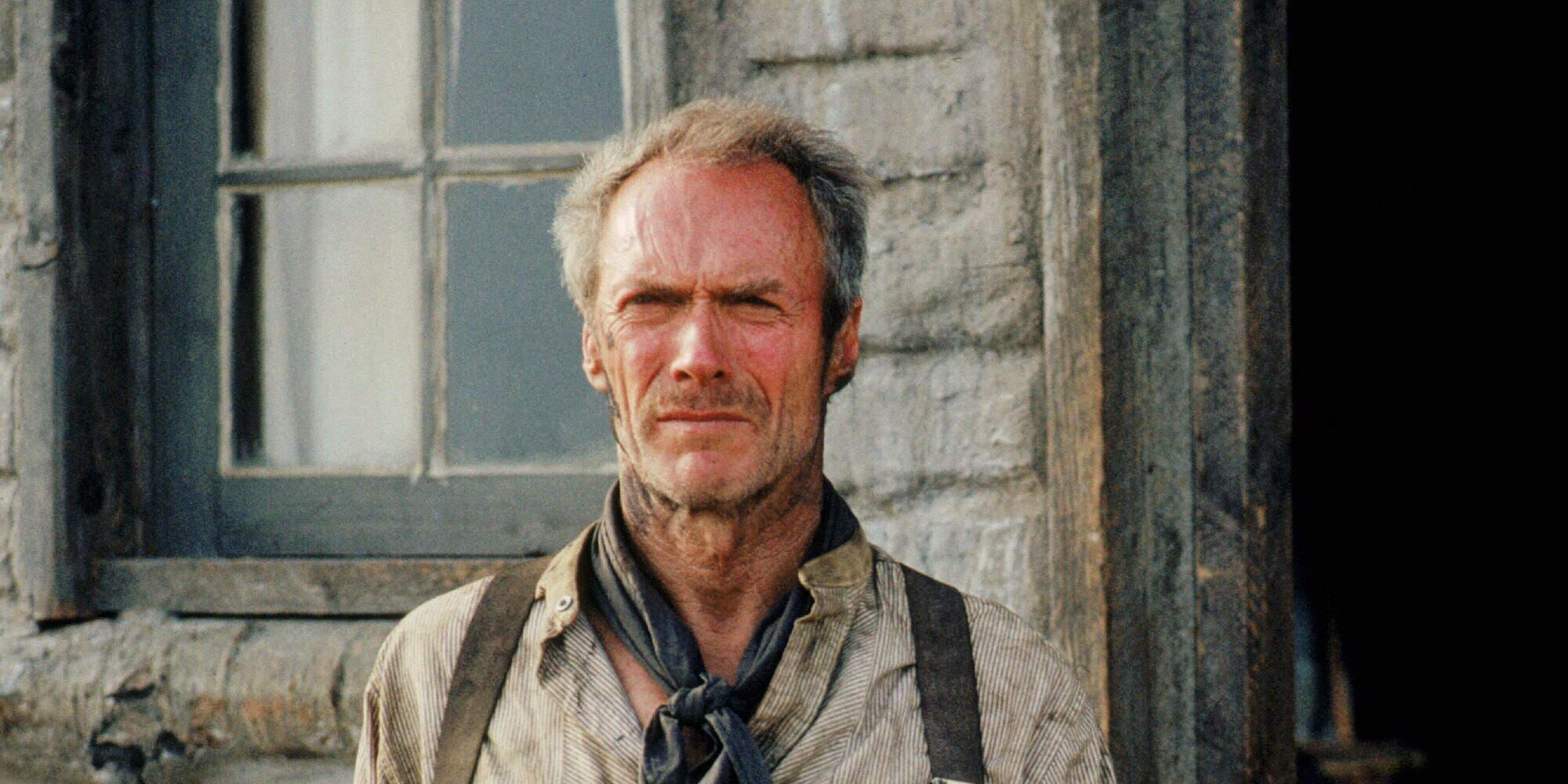
Unforgiven opens in a grimy, unglamorous setting, illustrating the harsh realities faced by those in the American frontier. The film centers on Will Munny, portrayed by Eastwood himself, who seeks to provide for his family while grappling with his brutal past as a notorious gunslinger.
The catalyst for the plot is the brutal assault of a woman named Delilah, whose injuries lead to a bounty being placed on her attackers—a pair of cowboys from a nearby town. A group of prostitutes band together to offer a monetary reward for their retribution, sparking Munny’s return to violence. Alongside him is his former partner, Ned Logan, and the inexperienced Schofield Kid, who represents the youthful, romanticized vision of the gunslinger lifestyle.
As the trio embarks on their dangerous quest, each character’s motives reveal the complex interplay between honor, revenge, and moral ambiguity. Unlike the straightforward heroism found in Tombstone, Munny struggles with his past choices, showcasing the psychological scars borne from a life of violence.
Main Characters
- Will Munny (Clint Eastwood): The film's protagonist, whose journey from a retired farmer back to a vengeful killer serves as the narrative's emotional core. Munny’s internal conflict highlights the toll that violence takes on the individual and society.
- Ned Logan (Morgan Freeman): Munny's old partner who represents a more balanced view on morality. His character serves as a reminder of the personal costs associated with their past lifestyles.
- Schofield Kid (Jaimz Woolvett): A young, naïve gunslinger who idolizes the violent lifestyle of outlaws. His character provides a contrast to Munny's seasoned perspective, embodying youthful enthusiasm but lacking the understanding of the true ramifications of violence.
These characters contribute to the film's exploration of heroism, morality, and the flawed perception of the cowboy ethic that pervades Western cinema.
Ending or Latest Episode Explained
Towards the film’s climax, the stakes intensify as Munny and his companions confront the two cowboys who assaulted Delilah. The final shootout is stark and unheroic, marking a departure from the lush, action-packed confrontations typical in many Westerns, including Tombstone. Munny’s transformation culminates in a chilling sequence that emphasizes the consequences of his actions while showcasing that revenge does not lead to redemption.
The film closes with Munny riding off into the distance, leaving behind the chaos he has re-entered. This ending conveys not only a sense of solitude but also the haunting nature of his choices—an enduring reminder of the cycle of violence that defines the world Eastwood has portrayed.
What Could Happen Next
While Unforgiven stands alone as a powerful narrative, discussions about potential sequels or spin-offs continue to surface, underscoring the film's lasting impact on the genre. Future projects could explore themes of remorse and the enduring scars left by violence, perhaps depicting the lives of characters affected by Munny’s actions or those who descend into criminality as a result of the harsh conditions of their environment.
Additionally, the legacy of Unforgiven is felt in contemporary Westerns that seek to break conventions, using the film's moral ambiguity to inform new storytelling techniques. Projects that blend traditional Western elements with modern themes of social justice and personal accountability could provide fresh perspectives in the evolving landscape of cinema.
Why This Is Trending
The ongoing examination of classic films through the lens of modernity keeps Unforgiven relevant in popular culture. Recent discussions around the morality depicted in cinema, especially within the genre of Westerns, highlight the need for complex narratives that engage with themes of violence, justice, and the human condition—a canvas on which Unforgiven excels. As audiences become increasingly critical of glorified violence in film, Eastwood's work offers a stark reflection on the consequences of aggression, thus garnering renewed interest as both a critical and cultural artifact.
Final Thoughts
Clint Eastwood's Unforgiven is not merely a film; it’s a profound commentary on the hero archetype and the consequences of a violent past. By presenting a bleak depiction of the Western world, Eastwood invites viewers to question the very fabric of what it means to be a hero. Unlike the adventure and romanticism in Tombstone, Unforgiven holds a mirror to the darker aspects of humanity, challenging us to reflect on our own narratives and perceptions of justice and retribution. As the conversation around legacy films continues, Unforgiven remains a benchmark for storytelling that prioritizes depth and complexity over glorification—a true anti-Tombstone in every sense.