Christopher Nolan's Mind-Bending 93% RT Noir Film Is Near-Perfect From Start to Finish
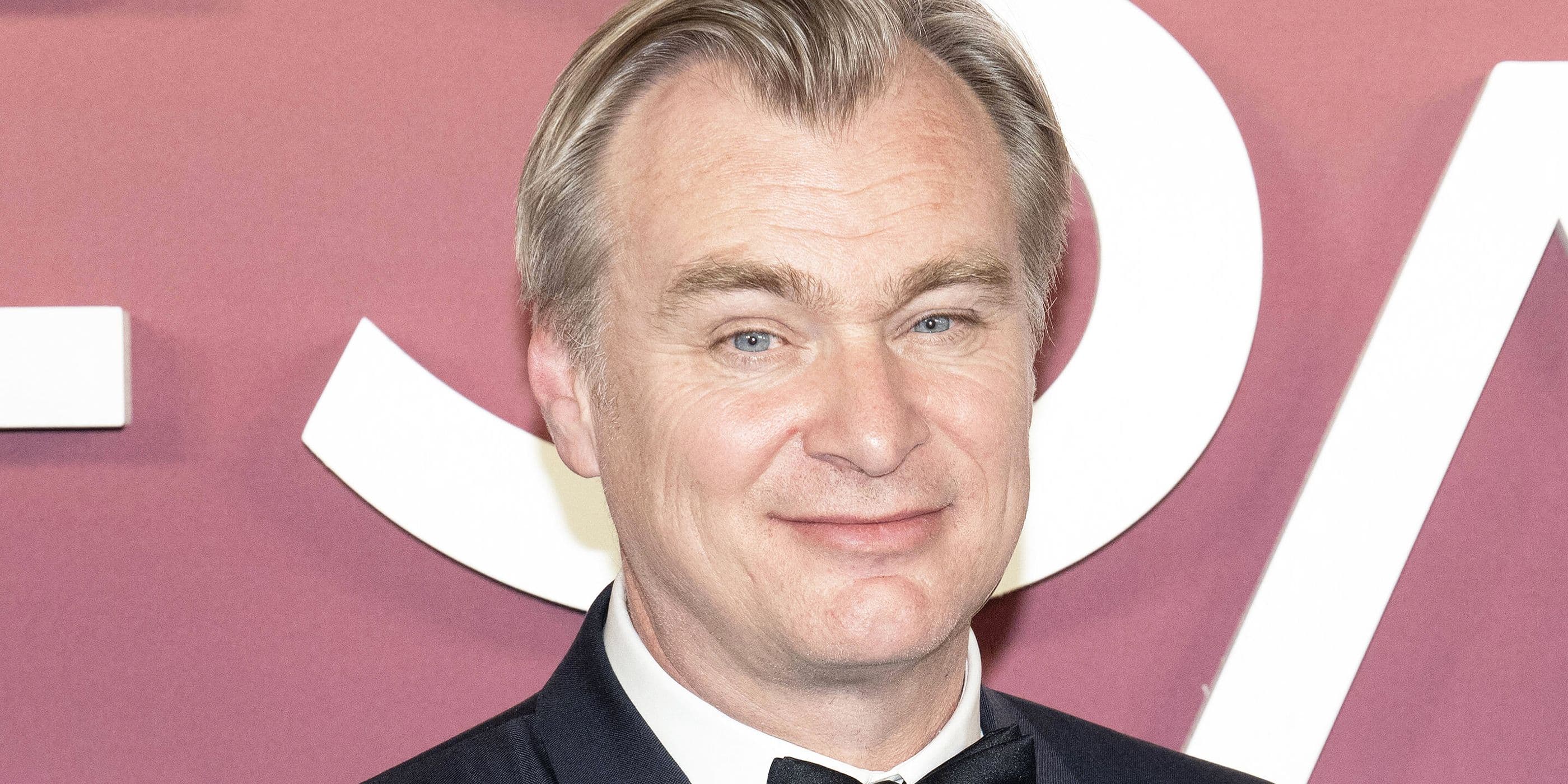
Christopher Nolan has long been hailed as a master of psychological storytelling and intricate narratives. His film Memento serves as a brilliant introduction to his unique style and thematic explorations. Released amid Nolan’s rise as a prominent filmmaker, Memento blends a gripping narrative structure with deeply flawed characters, setting it apart from traditional noir films. With a 93% rating on Rotten Tomatoes, it's not just acclaimed by critics but also cherished by audiences. Let's dive into why this film remains a classic and what makes it a near-perfect experience from start to finish.
Quick Summary
Memento, released in 2000, showcases a unique narrative that operates in reverse. It follows Leonard Shelby, portrayed by Guy Pearce, who suffers from short-term memory loss and is on a quest to find his wife's killer. With its complex storytelling and use of non-linear elements, Nolan masterfully crafts a narrative that invites viewers to experience the protagonist's disorientation and struggle.
Story Setup
The story of Memento is centered around Leonard Shelby, who, after a traumatic incident that resulted in his wife's murder, is left with anterograde amnesia, meaning he cannot form new memories. This condition sets the stage for a gripping and often disorienting exploration into vengeance, guilt, and the nature of memory itself.
Nolan ingeniously plays with the film's structure, interweaving scenes presented in reverse chronological order with black-and-white sequences that progress linearly, allowing viewers to piece together Leonard's investigation. This narrative choice acts as an allegory for the fragility of memory, emphasizing how our perceptions of reality are shaped.
As Leonard uses tattoos and Polaroid photographs to keep track of key details about his investigation, the audience is drawn into his confusion. This unique storytelling format keeps viewers on the edge of their seats, blurring the line between reality and deception.
Main Characters
Memento features a memorable cast of characters that contribute to the film's intricate plot:
-
Leonard Shelby (Guy Pearce): The protagonist struggling with his identity and purpose due to his condition. His determination to find his wife's killer drives the narrative forward.
-
Teddy (Joe Pantoliano): A pivotal character who appears to assist Leonard in his quest. However, as the story unfolds, his true intentions come into question, reflecting the film’s themes of trust and betrayal.
-
Natalie (Carrie-Anne Moss): A complex character who plays a significant role in Leonard’s journey. Her relationship with Leonard is layered and affects his perception of trust as well.
These characters embody the film’s exploration of memory and its manipulation, making them integral to understanding Leonard's plight.
Ending or Latest Episode Explained
The film culminates in a shocking revelation that challenges everything Leonard believes. After piecing together various clues, he confronts Teddy, only to discover that the truth he has sought might not be what he hoped for. The ending forces audiences to reconsider the entirety of the narrative, posing questions about the reliability of memory and the nature of truth. Leonard's final act—creating a false narrative that allows him to escape his pain—leaves viewers in a moral quandary.
The brilliance of Memento lies in its ability to leave an indelible mark on the audience. The film's open-ended conclusion and ambiguous nature invite discussions and analyses well beyond initial viewing, a hallmark of great storytelling.
What Could Happen Next
While Memento stands alone as a masterful exploration of memory and revenge, the film’s rich narrative could lend itself well to adaptation in various formats. Future projects could delve into psychological thrillers, inspired by Nolan's original premise but exploring different facets of memory and identity. A sequel or a series could examine how Leonard's actions ripple through the lives of those around him—or perhaps even follow other characters with their own struggles against memory and perception.
Moreover, given the resurgence of interest in neo-noir films, rekindling the narrative through updated media, such as a television series, could reintroduce the themes to a new generation. Nolan's keen eye for visual storytelling ensures that whatever direction it takes, it would undoubtedly be engaging and inventive.
Why This Is Trending
Memento continues to trend not just because of Christopher Nolan's acclaimed body of work, but due to its critical reception and influence on modern cinema. Its ingenious storytelling techniques are being revisited in contemporary discussions around narrative structure in film. With audiences craving innovative storytelling, Memento stands as a benchmark for creators.
As films explore themes of memory and identity, Nolan's work inspires dialogue about artistic choices and their impact on audience perception, making it a focal point in film studies. Social media buzz around classic films and their re-evaluation also contributes to the film's trending status, as fans revisit Nolan's early works and discuss their relevance today.
Final Thoughts
Christopher Nolan's Memento remains a near-perfect representation of neo-noir filmmaking, expertly blending psychological depth with innovative storytelling techniques. As a pivotal work in Nolan's filmography, it artfully challenges audiences to ponder the nature of memory, truth, and the human experience. The film’s near-universal acclaim, encapsulated in its 93% Rotten Tomatoes rating, speaks volumes about its impact, ensuring it retains a significant place in cinematic history. Audiences continue to discover and discuss Memento, making it as relevant today as it was at its release.
With its complex characters and narrative structure, Memento invites not just viewing but active participation and engagement, ensuring it remains a staple in the cinematic landscape for years to come.