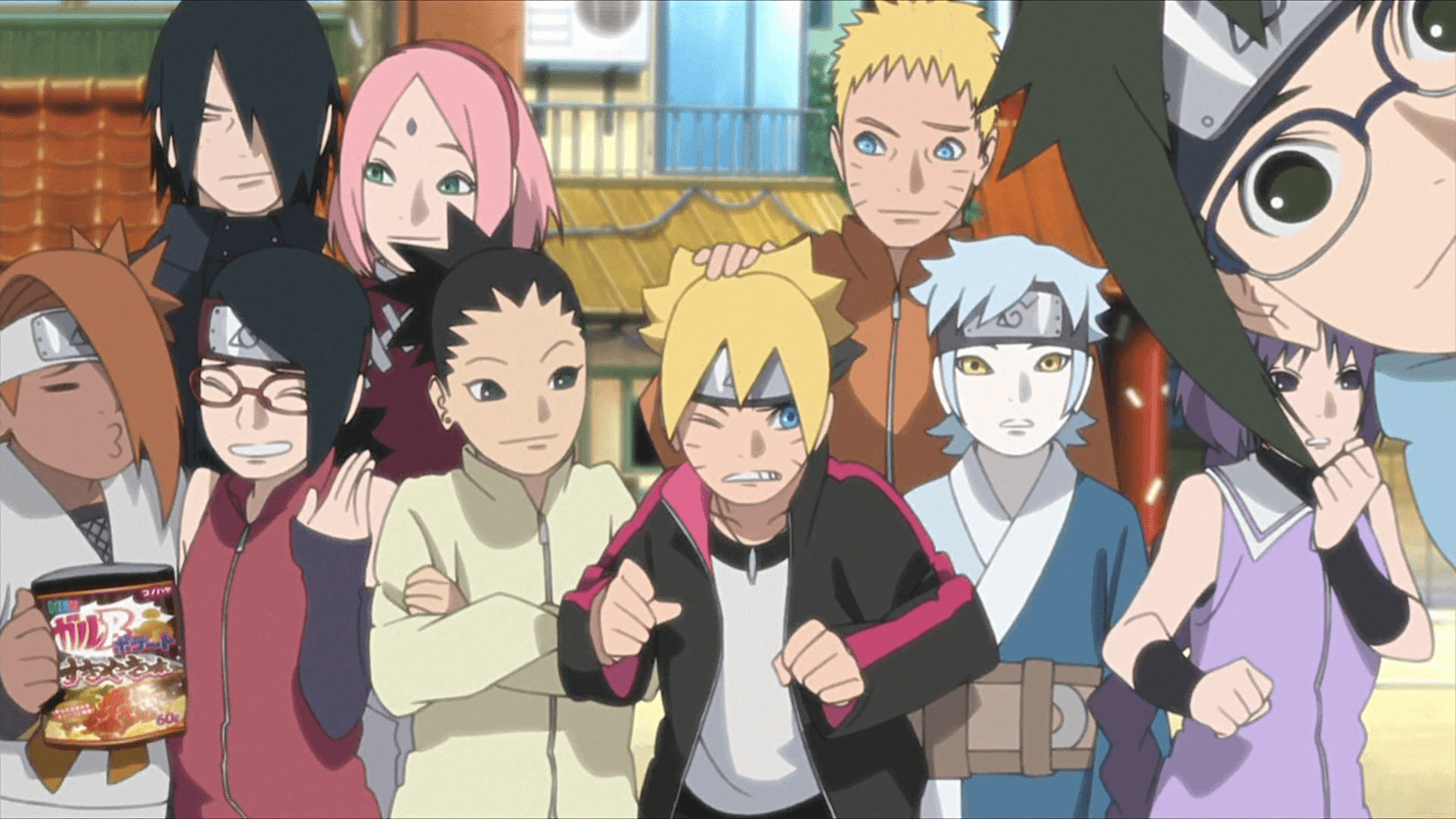
Boruto Has Exactly One Element That's An Objective Masterpiece
In the vast universe of anime, particularly within the beloved Naruto franchise, Boruto has sparked a myriad of discussions. While opinions vary widely about its narrative and character development, there exists at least one element that stands out as an undeniable masterpiece. This element has contributed significantly to how it hooks viewers, even as the series reaches its conclusion. Let’s dive deeper into why this aspect makes Boruto a noteworthy continuation of the Naruto legacy.
Quick Summary
The central theme identified as a masterpiece in Boruto is how it masterfully crafts positive vibes leading into its episodes, creating an addictive viewing experience. This unique characteristic engages both longtime fans of the Naruto franchise and newcomers alike, creating an atmosphere ripe for binge-watching even as the series progresses toward its finale.
Story Setup
Boruto: Naruto Next Generations continues the saga many fans grew up with, shifting its focus to the next generation of shinobi. The story revolves around Boruto Uzumaki, the son of Naruto Uzumaki, who is now the Seventh Hokage. Setting itself apart from its predecessor, Boruto explores themes of legacy, acceptance, and the innocence of youth versus the burdens of expectation. This generational clash, combined with modern storytelling techniques, sets the stage for compelling narratives.
In this world, the shinobi lifestyle is not just about carrying on traditions, but also about adapting to the fast-paced changes of a technically advancing society. This lays the groundwork for an engaging setup that balances the seriousness of ninja life with light-hearted moments that echo the series' foundational themes of friendship and resilience.
Main Characters
The richness of Boruto is amplified by its colorful cast of characters who contribute to the narrative’s depth:
-
Boruto Uzumaki: A talented young ninja who struggles to carve out his own identity amidst the overwhelming legacy of his father. His journey is one of self-discovery and the quest for validation away from his father’s shadow.
-
Sarada Uchiha: Boruto’s classmate and friend, she's ambitious and determined to become Hokage. Her character represents a fusion of old traditions and new aspirations.
-
Mitsuki: Boruto’s close friend, who is an artificial human created to be the perfect shinobi. His character adds an intriguing layer exploring themes of existence and purpose.
-
Naruto Uzumaki: The Seventh Hokage whose overwhelming duties often clash with his parental aspirations. His experiences bring depth to the narrative, showcasing the dilemmas faced when balancing responsibilities.
These characters add layers to the narrative, as the show's focus oscillates between action-packed sequences and heartfelt moments rooted in friendship and growth.
Ending or Latest Episode Explained
Based on available public metadata, the ending of Boruto is expected to culminate in a way that resonates deeply with longstanding thematic elements of the franchise. The series has consistently offered viewers a blend of action, intense emotional moments, and comic relief, all woven into the personal growth of its characters. The anticipation surrounding the series' conclusion emphasizes how these elements come together to reinforce a core message of hope and resilience, preparing fans for a memorable wrap-up.
As the series approaches its end, the emphasis on crafting a positive environment for its characters and viewers alike becomes even more palpable. This emphasis has the potential to leave a lasting impression, inspiring audiences to reflect on their own journeys as they relate to Boruto and his friends.
What Could Happen Next
While speculation about the future of Boruto remains, several themes and storylines are expected to continue evolving. As Boruto grapples with his destiny and steps out from Naruto’s shadow, fans can anticipate further exploration into the complexities of identity and legacy. Additionally, interactions between Boruto and the other characters will likely continue to deepen, highlighting intergenerational relationships and unresolved conflicts.
The series also stands at the cusp of integrating more contemporary challenges faced by shinobi, possibly introducing greater conflict and new villains who embody these struggles. As such, audiences are poised to witness not only thrilling battles but also poignant moments that mirror real-life issues, setting the stage for a gripping continuation.
Why This Is Trending
Boruto's growing popularity and trending status can be attributed to its unique blend of nostalgia and progressive storytelling. It successfully appeals to both fans of the original Naruto series and a new generation of viewers. The show's ability to tackle complex themes in a relatable manner, while maintaining an air of optimism, is particularly appealing during challenging times.
Moreover, the anticipation surrounding the series' conclusion has ignited discussions across social media, elevating engagement among fans and fostering community conversations about character arcs, themes, and potential futures for beloved characters. The sense of camaraderie among fans as they speculate about upcoming twists and reflect on transformative character journeys is a testament to the show's impact.
Final Thoughts
In conclusion, Boruto: Naruto Next Generations has emerged as more than just a continuation of a beloved franchise; it's carved its own identity while addressing universal themes of growth, identity, and legacy. The recognition of one specific aspect as an objective masterpiece exemplifies the series' narrative prowess, encapsulating the character-driven storytelling that keeps audiences hooked until the very last moment. As viewers prepare to binge-watch the final episodes, they can find comfort in the uplifting elements that Boruto offers, ensuring that the journey ahead remains enthralling and engaging. Ultimately, this unique blend of positivity sets Boruto apart in the anime landscape, creating a memorable experience that resonates across generations.