The 5 Best War Movies of the Last 10 Years, Ranked
The war film genre has seen a remarkable evolution over the past decade, with filmmakers pushing the boundaries of storytelling, characters, and cinematic techniques. Titles like Dunkirk and 1917 have not only captivated audiences but have also set new standards for how war stories are told on screen. With powerful narratives and a focus on the human experience, these films are more than just battles; they are explorations of sacrifice, heroism, and the psychological toll of war. Here, we’ll break down the five best war movies of the last ten years that have left a profound impact on audiences and critics alike.
Quick Summary
In this article, we rank the top five war movies from the last decade, highlighting their unique contributions to the genre, pivotal stories, and the cultural context in which they were released. These films have sparked conversations about the realities of conflict and continue to resonate deeply with viewers today.
Story Setup
-
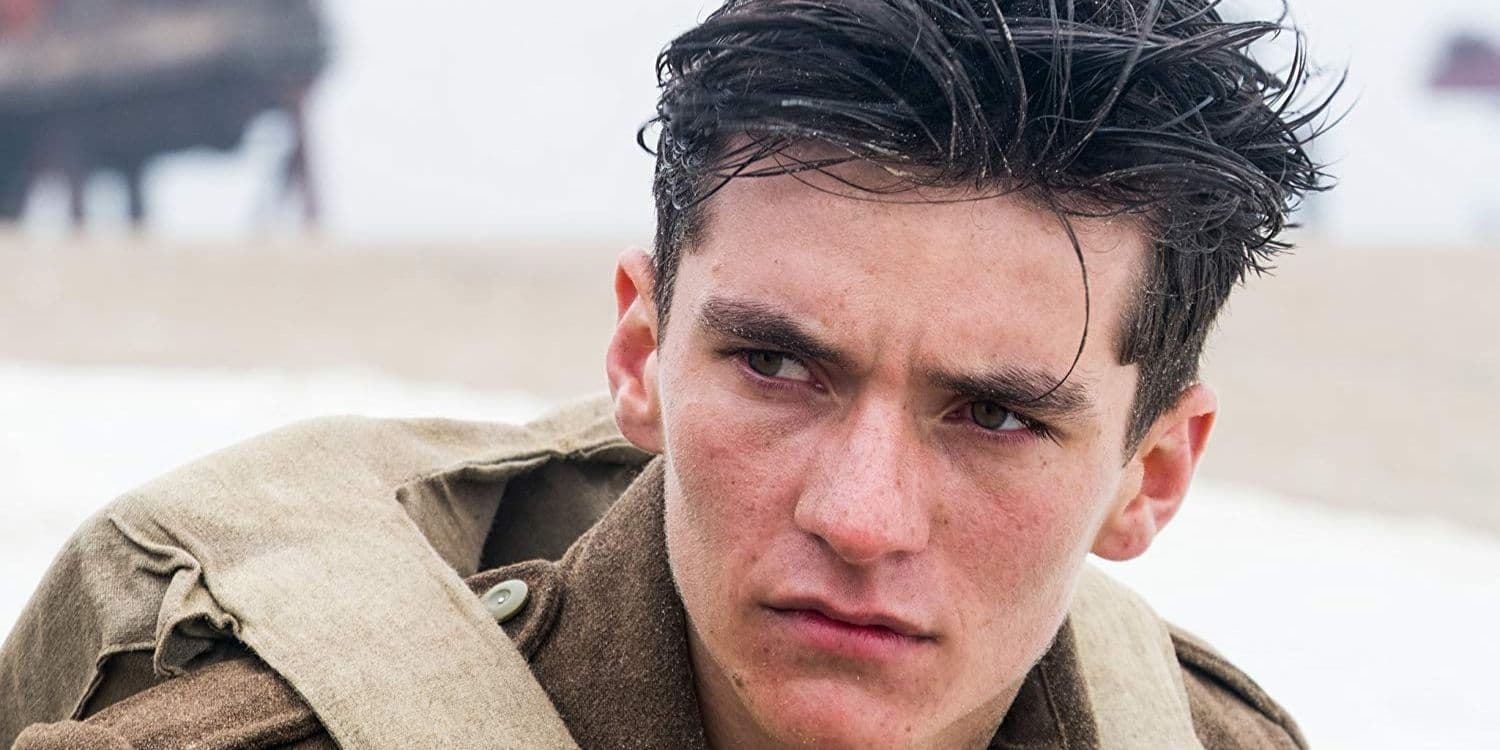
Dunkirk (2017) Christopher Nolan directed this intense and immersive depiction of the Dunkirk evacuation during World War II. The film uniquely weaves three timelines—land, sea, and air—over varying lengths of time to create a suspenseful narrative that thrusts viewers right into the chaos of war.
-
1917 (2019) Directed by Sam Mendes, 1917 takes viewers on a gripping journey through the trenches of World War I. The film is celebrated for its continuous shot technique that immerses the audience in real-time and the urgency of the mission: two soldiers must deliver a crucial message to save thousands of troops.
-
The Outpost (2020) Based on Jake Tapper's book, this film tells the story of the Battle of Kamdesh, where U.S. soldiers defended an outpost against overwhelming Taliban forces. The gripping performances and realistic battle sequences showcase the valor and struggles of soldiers faced with dire circumstances.
-
Full Metal Jacket (1987) (Honorable Mention) Although released over 35 years ago, Stanley Kubrick’s Full Metal Jacket resurfaced in discussions due to its timeless exploration of the Vietnam War experience. The film splits into two halves: basic training and the gruesome realities of war, continuing to influence modern war cinema.
-
Restrepo (2010) (Closer to Documentary) While leaning into the documentary realm, Restrepo provides an unfiltered look at soldiers on the frontlines in Afghanistan. Its raw portrayal of life in combat makes it a critical watch for understanding the human impact of war.
Main Characters
These films are rich with characters that drive their narratives:
- Dunkirk: With characters like Tommy (Fionn Whitehead), a young British soldier, the film emphasizes individual stories within the collective experience.
- 1917: Lance Corporals Schofield (George MacKay) and Blake (Dean-Charles Chapman) are the heart of this narrative, representing bravery and the bonds forged in combat.
- The Outpost: The film showcases characters like Staff Sergeant Clint Romesha (Scott Eastwood) who faced near-impossible odds while exhibiting unparalleled courage.
- Restrepo features real-life soldiers like Sebastian Junger and Tim Hetherington, who document their own experiences and struggles.
Dive into these films for a detailed exploration of duty, sacrifice, and the complexities of war. Each character is beautifully crafted to highlight the resilience of the human spirit, making the viewer emotionally invested in their journeys.
Ending or Latest Episode Explained
In war films, as in life, endings can vary significantly:
- Dunkirk leaves audiences with an emotional sense of relief mixed with the cost of survival, as soldiers are evacuated successfully yet left with unshakable memories of trauma.
- 1917 culminates in a poignant moment of completion and loss. The mission's success comes at a cost, reinforcing the harsh realities of its time.
- The Outpost delivers a heart-wrenching yet heroic conclusion that reflects the realities of sacrifice, showcasing how courage often leads to tragic outcomes.
- Restrepo ends on an open note, as the lives of soldiers continue, their stories entwined with loss and the search for purpose after combat.
What Could Happen Next
With the success of these war films, the future holds tantalizing possibilities for the genre:
- More filmmakers may explore lesser-known conflicts and narratives, expanding the war movie landscape.
- We might see heightened incorporation of technological advancements, such as virtual reality, to immerse audiences in the combat experience.
- The trend of highlighting personal stories and psychological impacts over simple battle sequences may continue, offering deeper character studies.
As audiences crave more realism and emotional depth, the potential for continued revolutionary storytelling in war cinema is limitless.
Why This Is Trending
The war film genre is not just about warfare; it's a reflection of society's complexities. Recent global events have brought discussions of war and its impacts to the forefront, making audiences more receptive to war narratives that resonate on emotional and psychological levels. The intersection of history with present-day issues prompts viewers to reflect on the past and its implications for current events.
Moreover, the technological advancements in filmmaking techniques have enabled directors to tell these stories with unprecedented realism, capturing attention and sparking discussion across social media platforms.
Final Thoughts
The last ten years have been transformative for war cinema, with filmmakers redefining how stories of conflict are told. Whether through intense action, character-driven narratives, or real-life accounts, these five films exemplify the power of cinema to evoke emotion, provoke thought, and inspire conversation. As we move forward, it will be exciting to see how this genre continues to evolve, pushing boundaries and challenging perceptions about war.
In summary, the five films discussed are not just stories of war; they explore humanity in the face of adversity and reflect societal values and questions of morality. The war movie genre remains vital in shaping our understanding of history and the human experience.