5 Best Fantasy Movie Adaptations That Are Nothing Like the Book
Understanding the relationship between books and their film adaptations can sometimes feel like navigating a labyrinth of expectations and surprises. While many films aim to capture the essence of their literary counterparts, others take a bold leap into uncharted territory. In this article, we’ll delve into five remarkable fantasy movie adaptations that diverge significantly from the books that inspired them, showcasing how creativity in cinema can lead to new interpretations.
Quick Summary
In this breakdown, we’ll explore the unique adaptations of fantasy stories that not only differ from their original texts but also manage to stand out in their own right. From character redesigns to altered plots, these films illustrate that films based on books can forge their own creative paths.
Story Setup
The world of fantasy cinema is rich and varied, often bringing beloved literary narratives to life on the big screen. However, not every adaptation conforms strictly to its source material. Here’s a look at some well-known adaptations that embrace freedom over fidelity, breathing new life into their stories:
-
Wicked: This adaptation takes a bold approach by flipping the traditional narrative of The Wizard of Oz. Rather than focusing solely on Dorothy, it deepens the backstory of Elphaba, the Wicked Witch of the West, exposing themes of friendship and social justice. The film is expected to bring a contemporary lens to the beloved musical's story while taking creative liberties that stray from Gregory Maguire's source material.
-
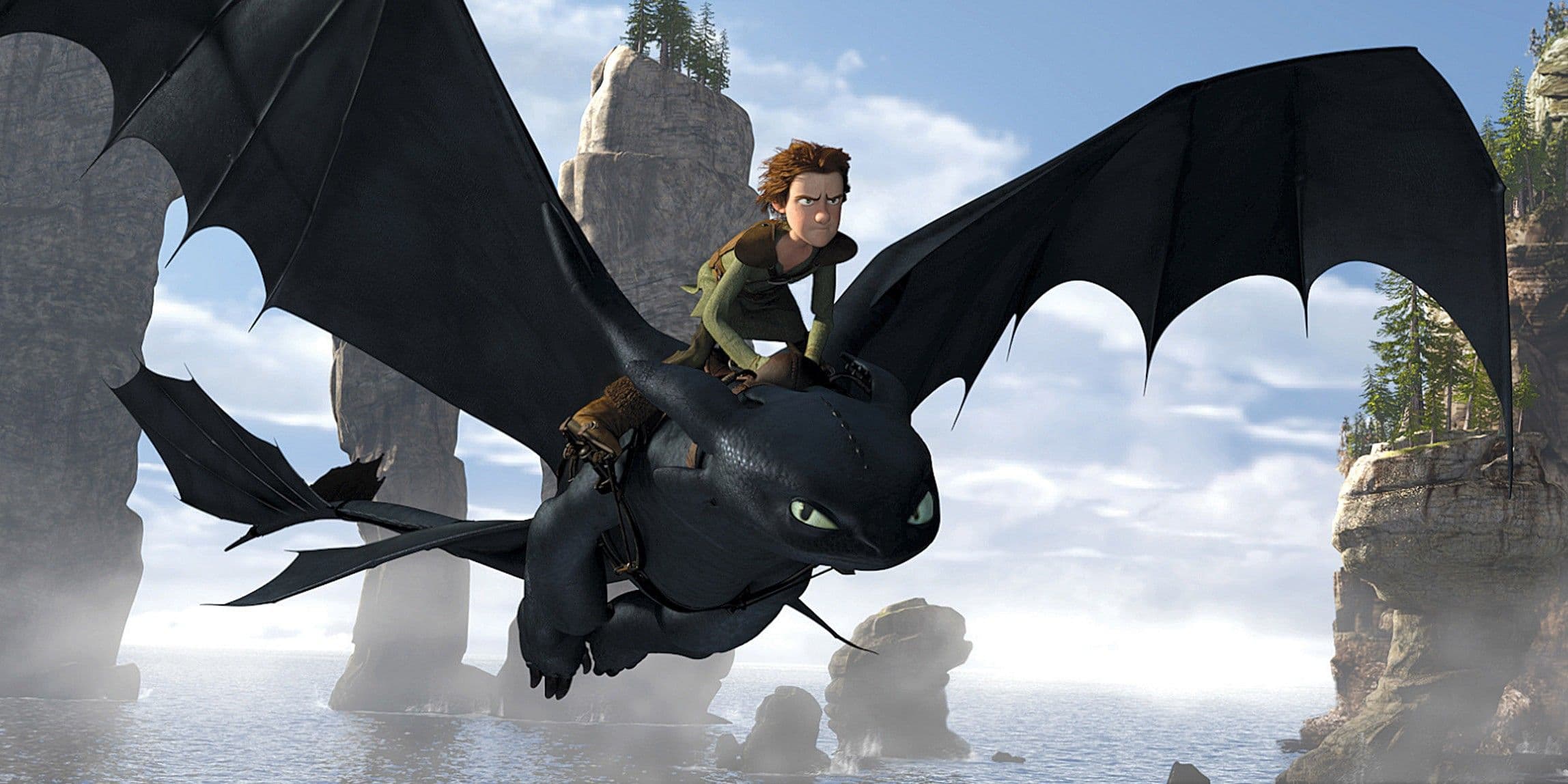
How to Train Your Dragon: Based on Cressida Cowell's book series, the film adaptation transforms the notion of dragons and their relationships with humans. While the books center around Hiccup's character development in a simpler format, the movies explore grander themes of family, loyalty, and the complexities of human-dragon relations, featuring a more intricate world.
-
The Hobbit: J.R.R. Tolkien’s classic novel was expanded into a trilogy, greatly adding new characters and storylines. Director Peter Jackson took creative liberties to flesh out the plot, including elements from Tolkien's appendices. This alteration caused mixed reactions among fans hoping for a more faithful adaptation.
-
Eragon: Though Christopher Paolini’s book introduced readers to a vast universe, its film adaptation did not resonate as anticipated. The movie features key plot changes and character modifications, leading many to feel it strayed too far from its source. While it still retains the core premise, the essence of the novel is often overshadowed by its cinematic approach.
-
The Golden Compass: Taken from Philip Pullman's Northern Lights, this adaptation alters significant themes and character arcs, resulting in a film that diverges from the philosophical undertones of the book. While visually captivating, the movie faced backlash for not fully capturing the narrative's depth and complexity.
Main Characters
In these adaptations, character portrayals often shift dramatically:
- Wicked: Elphaba is presented as a multidimensional character with a rich emotional landscape. The contrast between her and Glinda evolves beyond mere rivalry to a complex friendship.
- How to Train Your Dragon: Hiccup is depicted as a flawed yet relatable hero whose relationship with Toothless, the dragon, forms the emotional core of the story. The film explores themes of acceptance and understanding, redesigning character relationships compared to the books.
- The Hobbit: Bilbo Baggins is portrayed as more than a reluctant adventurer; he becomes a pivotal character in a much grander narrative arc alongside figures like Gandalf, Thorin, and Smaug. While the books present a quest, the films transform this journey into an epic saga.
- Eragon: The titular character experiences a transformation through CGI elements and action-driven sequences that diverge from the more inward-turned growth depicted in the novel.
- The Golden Compass: Lyra's character evolves through her encounters and the daemons, with altered dimensions of her personality explored differently in the film versus the book.
Ending or Latest Episode Explained
Based on available public metadata, while many of these adaptations haven't concluded their stories on screen, they’ve certainly left a significant impact on their audiences. For example, Wicked is set to continue evolving its narrative through anticipated musical elements adapted for film. Meanwhile, the How to Train Your Dragon trilogy has embraced a conclusive telling of Hiccup’s journey. Although they might stray from the source material, their endings often resonate with broader themes of growth, understanding, and acceptance, giving fans a satisfying closure.
What Could Happen Next
As fantasy continues to thrive both in literature and film, the success of these adaptations hints at several possibilities:
- More adaptations exploring non-linear narratives: Filmmakers may increasingly choose to alter stories significantly to suit modern narratives or diverse audiences, creating fresh takes on familiar tales.
- Cross-genre blending: These adaptations show that fusing genres can lead to invigorating storytelling. Future films may experiment further with melding fantasy elements with other genres like horror, drama, or even sci-fi.
- Greater emphasis on character-driven stories: As viewers become more intrigued by character arcs, adaptations may prioritize character depth over plot fidelity, allowing for a more nuanced understanding of beloved figures from literature.
Why This Is Trending
The discussion surrounding adaptations is trending due to increasing debates over authenticity versus creativity. Moviegoers are split between the desire for faithful representations and the appreciation for innovative storytelling. As fantasy audiences expand, studios are taking notice, resulting in new adaptations that explore characters and stories in ways that resonate with contemporary audiences.
Social media has also fueled this dialogue, with fans actively sharing their opinions, making it a hot topic for discussion. The exploration of how adaptations shape cultural narratives keeps these films in the spotlight, garnering attention and leading to a reevaluation of how we perceive adaptations in the film industry.
Final Thoughts
Fantasy movie adaptations play a critical role in shaping our understanding of storytelling. While these adaptations that diverge from their source material can invoke mixed feelings, they also offer fresh perspectives that allow the narratives to resonate anew. Embracing creative freedom can lead to innovative storytelling that not only entertains but challenges our preconceived notions of the originals. As viewers, it’s important to appreciate both mediums for their unique offerings, recognizing that cinema often serves as a catalyst for revitalizing beloved tales. Whether it’s through the lens of a friendlier dragon or the complexities of a misunderstood witch, these adaptations continue to capture our imaginations, sparking conversations about fidelity, creativity, and the power of storytelling across multiple platforms.