5 Best Book-to-Movie Adaptations of the 2010s, Ranked
The 2010s witnessed an impressive surge in book-to-movie adaptations, blending the enchanting world of literature with the vibrant realm of cinema. These adaptations are not just mere transpositions of stories; they bring depth, imagination, and artistry that resonate with both avid readers and casual movie-goers. Below, we explore the top five adaptations from the decade that took audiences by storm.
Quick Summary
The adaptations discussed here showcase the richness of storytelling found in literature while exploring themes ranging from love and friendship to dystopia and personal growth. Each film has carved its niche, making significant cultural and cinematic impacts.
Story Setup
The films on our list span a variety of genres, illustrating the versatility of stories that can translate effectively onto the big screen. From the magical realism of fantasy adaptations to the gritty realities of modern drama, these films capture the essence of their source material while integrating cinematic storytelling techniques.
-
"Harry Potter and the Deathly Hallows – Part 2" (2011)
- The epic conclusion of the Harry Potter series. Adapted from J.K. Rowling’s beloved series, this film dives into the final battle between Harry Potter and Lord Voldemort. It encapsulates themes of sacrifice, courage, and the fight against evil.
-
"The Hunger Games" (2012)
- With Suzanne Collins’ dystopian thriller at its core, this adaptation follows Katniss Everdeen in a fight for survival against oppressive forces. It highlights themes of governance, rebellion, and societal structure.
-
"The Fault in Our Stars" (2014)
- A touching adaptation of John Green’s novel, this film narrates the poignant relationship between two teens battling cancer, revealing themes of love, loss, and the importance of cherishing every moment.
-
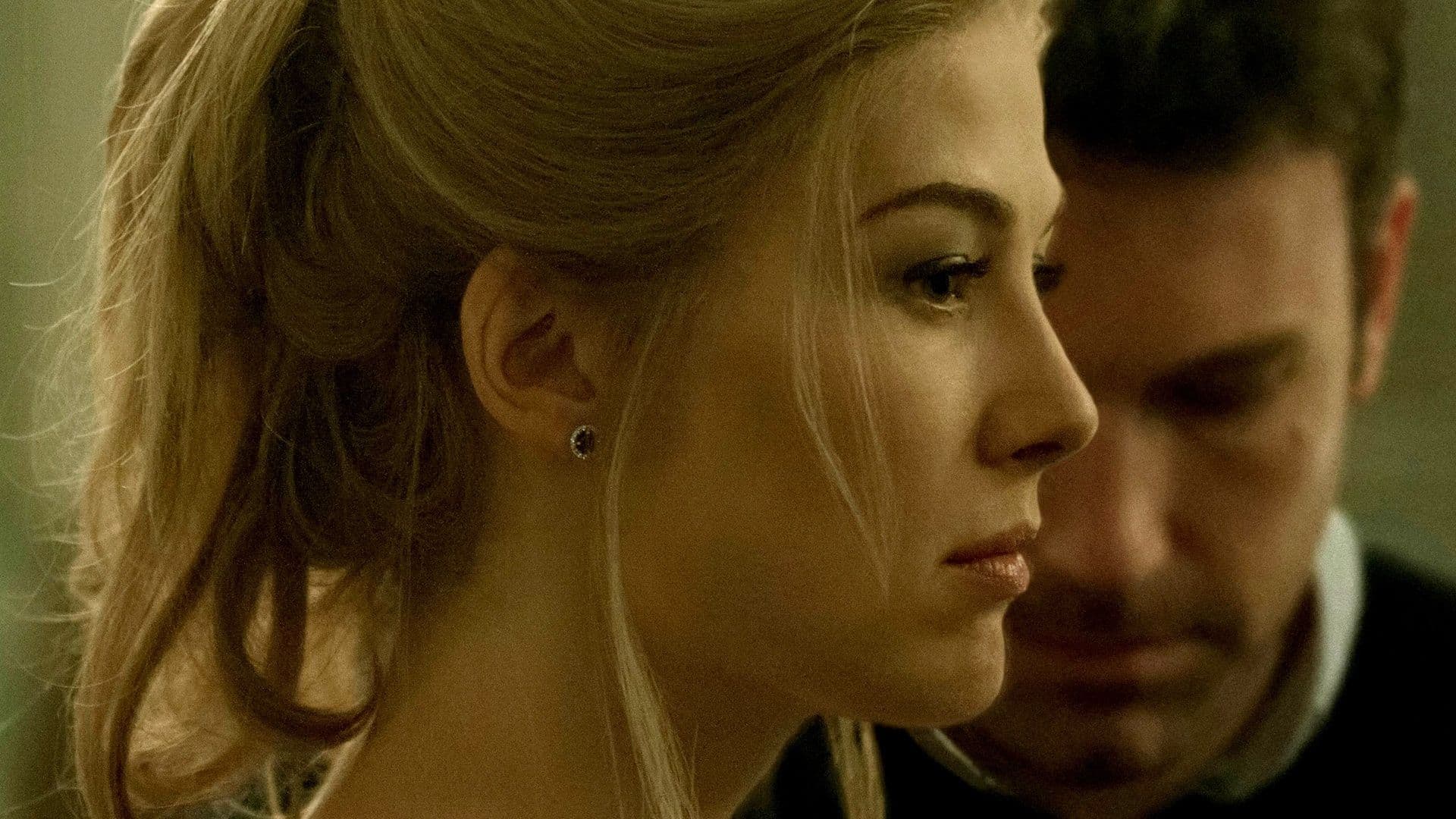
"Gone Girl" (2014)
- Based on Gillian Flynn’s psychological thriller, this film dives deep into the complexities of marriage and media scrutiny. As Amy Dunne goes missing, the investigation uncovers dark secrets that challenge perceptions of truth and trust.
-
"Little Women" (2019)
- Louisa May Alcott’s classic novel gets a fresh, contemporary treatment in this adaptation. Following the lives of the March sisters, it explores themes of independence, ambition, and the social roles of women in the 19th century.
Main Characters
Each adaptation introduces a host of memorable characters that fans often come to know and love more deeply through their cinematic portrayals:
- Harry Potter (Daniel Radcliffe) in "Harry Potter and the Deathly Hallows – Part 2": The courageous wizard destined to face his arch-nemesis.
- Katniss Everdeen (Jennifer Lawrence) in "The Hunger Games": The resilient protagonist who volunteers to save her sister, becoming a symbol of hope for her district.
- Hazel Grace Lancaster (Shailene Woodley) in "The Fault in Our Stars": A thoughtful and spirited teen grappling with the realities of her illness while pursuing love.
- Amy Dunne (Rosamund Pike) in "Gone Girl": A complex character whose disappearance leads to a gripping exploration of deception.
- Jo March (Saoirse Ronan) in "Little Women": A fiercely independent woman who defies social conventions in pursuit of her dreams.
Ending or Latest Episode Explained
The endings of these films vary greatly, from triumphant victories to bittersweet conclusions:
- In "Harry Potter and the Deathly Hallows – Part 2", viewers experience a climactic battle that showcases themes of sacrifice and friendship, ending with Harry realizing the importance of love and acceptance.
- "The Hunger Games" culminates in Katniss's revolutionary actions, challenging the societal norms enforced by the Capitol, and leading to a new era for Panem.
- "The Fault in Our Stars" delivers a heart-wrenching finale where Hazel learns to embrace love and loss, leaving audiences with a profound message about life’s fleeting nature.
- The chilling conclusion of "Gone Girl" leaves viewers questioning morality and truth as Amy manipulates her return, showcasing the darker side of relationships.
- In "Little Women", Jo's journey concludes with a reaffirmation of self-identity and the importance of familial bonds, leaving viewers with a sense of hope and fulfillment.
What Could Happen Next
While these adaptations effectively conclude their respective stories, there remains a wealth of room for further exploration:
- Future sequels or spin-offs could arise from these established universes, especially with the ever-popular Harry Potter and Hunger Games franchises expanding their storytelling through new media formats.
- Prequels or companion films detailing supporting characters or different perspectives could enrich the narrative fabric of "Gone Girl" or "The Fault in Our Stars".
- The timeless themes in "Little Women" could be revisited through new interpretations, showcasing modern social issues through the lens of classic literature.
Why This Is Trending
The resurgence of interest in book-to-movie adaptations over the past decade can be attributed to several factors:
- Cultural Relevance: Many stories address universal themes that resonate across ages and backgrounds, sparking conversations about their real-world implications.
- Star-Studded Casts: Big-name actors and actresses draw in audiences to these adaptations, enhancing their visibility and box office performance.
- Innovative Storytelling: Filmmakers utilize cutting-edge technology to tell stories in fresh and creative ways, making adaptations more engaging for a modern audience.
- Nostalgia: The 2010s adaptations often evoke a sense of nostalgia as they revisit beloved literary works from childhood, appealing not only to younger audiences but also to adults who grew up with these books.
Final Thoughts
The last decade has seen an impressive array of book-to-movie adaptations that have earned their place in film history through cultural impact and artistic achievement. Each adaptation on our list not only stays true to its source material but also enriches it, inviting new viewers into the worlds that readers have cherished for years. As filmmakers continue to adapt literature into films, it will be exciting to see how future adaptations push boundaries and explore the limitless potential of storytelling.