The Best Book-To-Movie Adaptations from Every Year of the 1960s
The 1960s was a tumultuous time for both society and cinema, marked by cultural upheaval and a shift toward more experimental storytelling. As filmmakers sought to capture the essence of contemporary literature, numerous daring novels found their way to the big screen. This article showcases some of the best book-to-movie adaptations from the 1960s, examining their plots, characters, and the cultural significance they hold.
Quick Summary
This article highlights key adaptations from the 1960s, spanning various genres, and explores their impact on cinematic storytelling. From classic novels to groundbreaking narratives, these films not only entertained but also provoked thought and discussion in a rapidly changing world.
Story Setup
During the 1960s, the film industry was rife with innovation. Directors began to take bold steps away from conventional storytelling, embracing narratives that reflected the realities of the changing socio-political climate. Among the most notable book-to-movie adaptations were those that challenged norms and explored themes of identity, conflict, and liberation. These films often pushed boundaries in terms of storytelling methods, visual style, and thematic depth, offering audiences a fresh lens through which to view the world.
For instance, adaptations like To Kill a Mockingbird and One Flew Over the Cuckoo's Nest brought to life powerful narratives addressing issues of race, injustice, and personal freedom. This was a decade in which films did not just aim to entertain; they aimed to enlighten and provoke critical thought about the time in which they were made.
Significant Adaptations of the 1960s
-
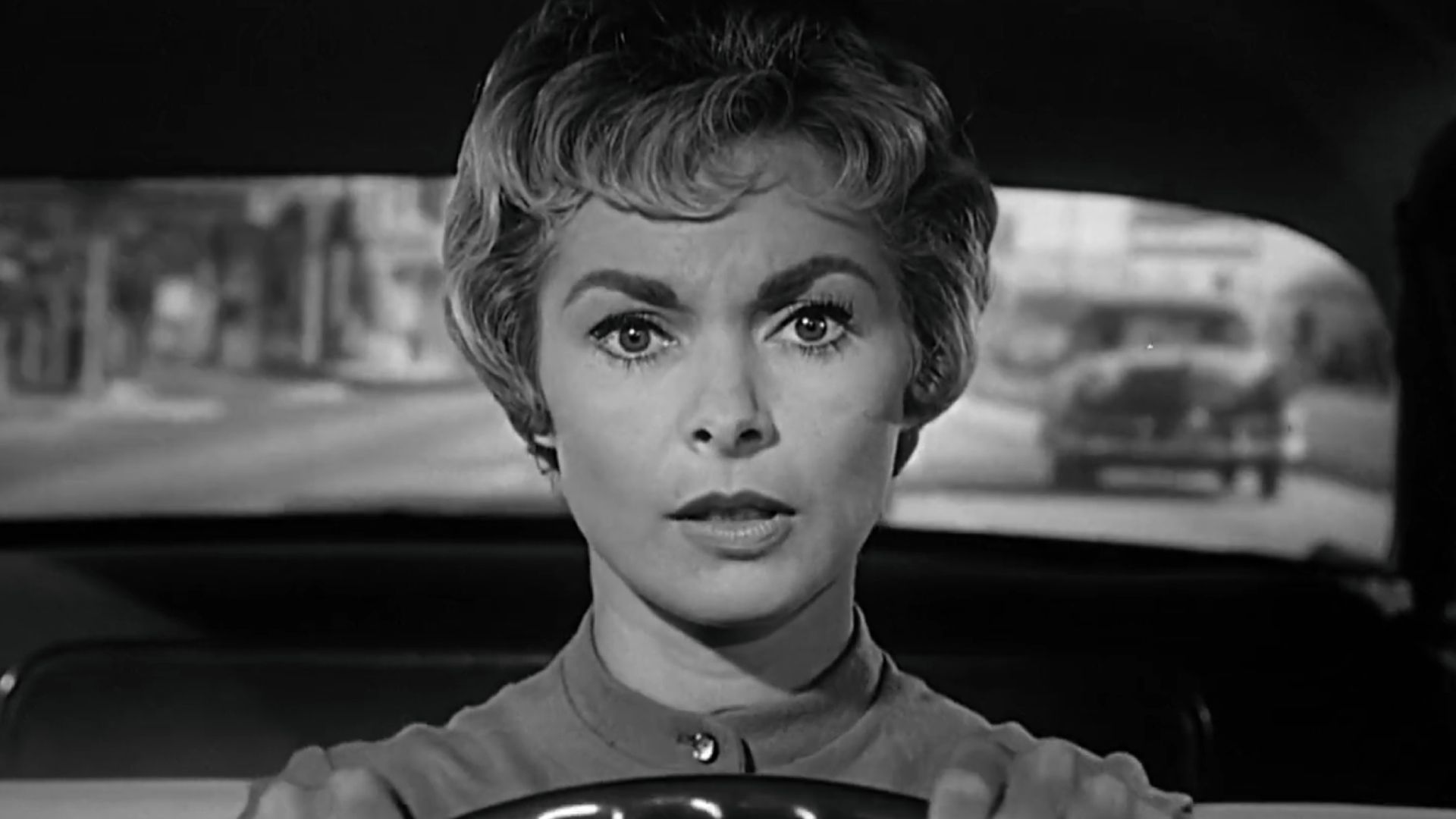
1960: Psycho
Alfred Hitchcock’s adaptation of Robert Bloch's novel is a prime example of how literature can inform cinematic horror. The film, notorious for its shocking twists and iconic shower scene, set the stage for the psychological thriller genre. -
1961: The Innocents
Based on Henry James’s novella The Turn of the Screw, this chilling tale of possession and ambiguity captivates with its eerie atmosphere and complex characters, showing how adaptations can embody the spirit of the source material while innovating upon it. -
1962: To Kill a Mockingbird
Harper Lee’s beloved novel about racial injustice and moral growth was brought to life by director Robert Mulligan. Gregory Peck’s portrayal of Atticus Finch not only earned him an Academy Award but solidified the film's place in cultural history. -
1963: The Graduate
Based on Charles Webb's novel, this film tackled themes of disillusionment and societal expectations in a manner that resonated with a generation. Dustin Hoffman’s character, Benjamin Braddock, became an emblem of 1960s youth. -
1964: Dr. Strangelove or: How I Learned to Stop Worrying and Love the Bomb
A satirical take on the Cold War, this film, adapted loosely from Peter George's novel, highlights the absurdity of nuclear conflict through dark humor and sharp critique. -
1966: The Short Happy Life of Francis Macomber
This adaptation of Ernest Hemingway's story dives into themes of courage and masculinity, underscoring the complex moral landscapes that characterized the decade’s storytelling.
Main Characters
The adaptations of the 1960s introduced audiences to a diverse range of compelling characters:
- Atticus Finch (To Kill a Mockingbird): A symbol of integrity and justice, Atticus embodies the moral center of the narrative as he defends a black man wrongfully accused of rape.
- Benjamin Braddock (The Graduate): Representing a generation caught between tradition and modernity, Benjamin's character arc symbolizes the search for authenticity amid societal expectations.
- Norman Bates (Psycho): A complex figure reflecting deep psychological turmoil, Norman Bates serves as a harbinger of modern horror, embodying themes of identity and duality.
Cultural Significance
These films did not exist in a vacuum; they echoed the sentiments and challenges faced by society during the 1960s. The exploration of race, gender roles, and psychological conflict mirrored the cultural dynamics of the time. Many of these adaptations became not just films but social commentaries that sparked conversations about crucial issues impacting the American landscape.
Ending or Latest Episode Explained
Based on available public metadata, each of these films explores profound themes culminating in impactful conclusions that often leave audiences questioning their beliefs and societal norms. For example, To Kill a Mockingbird closes with a poignant reflection on justice and morality, while The Graduate’s ending leaves viewers contemplating the uncertainties of adult life.
What Could Happen Next
As we revisit these classics today, it may spark the question of how modern filmmakers can reinterpret or adapt classic literature in a contemporary context. Emerging technology and differing societal values could significantly influence future adaptations, making the narrative landscape ripe for exploration.
For instance, adaptations that focus heavily on underrepresented voices and new perspectives are increasingly prevalent, suggesting that the lessons learned from the 1960s will continue to guide the filmmaking industry.
Why This Is Trending
The resurgence of interest in classic adaptations can be attributed to the recent trend of remakes and adaptations in Hollywood. Filmmakers draw inspiration from celebrated literature, reinvigorating stories to appeal to modern audiences. With literary classics becoming fodder for contemporary cinema, discussions on how these adaptations resonate with current societal issues have gained traction among viewers and critics alike.
Final Thoughts
In summary, the 1960s offered a treasure trove of extraordinary book-to-movie adaptations that not only entertained but also served as catalysts for dialogue about vital societal issues. As these films continue to be celebrated today, they remind us of the power of literature and film to influence culture and provoke thought., ultimately showcasing the enduring legacy of storytelling in all its forms.
By revisiting these adaptations, both old and new audiences gain insight into the cultural contexts from which they arise, ensuring that the stories of the 1960s remain relevant for generations to come.