Back to the Future's Original Ending Was Much, Much Darker
The iconic 1985 film, "Back to the Future," directed by Robert Zemeckis, is beloved for its clever blend of science fiction, humor, and adventure. However, what many might find surprising is that the film originally had a much darker ending that involved an atomic bomb. In this article, we’ll explore some intriguing details about this original concept and how it could have changed the tone of the movie altogether.
Quick Summary
Before becoming a classic, "Back to the Future" had an alternate conclusion that painted a more ominous picture of time travel consequences. This darker twist raises questions about story direction and character arcs, showcasing how even a minor change in script can lead to vastly different interpretations.
Story Setup
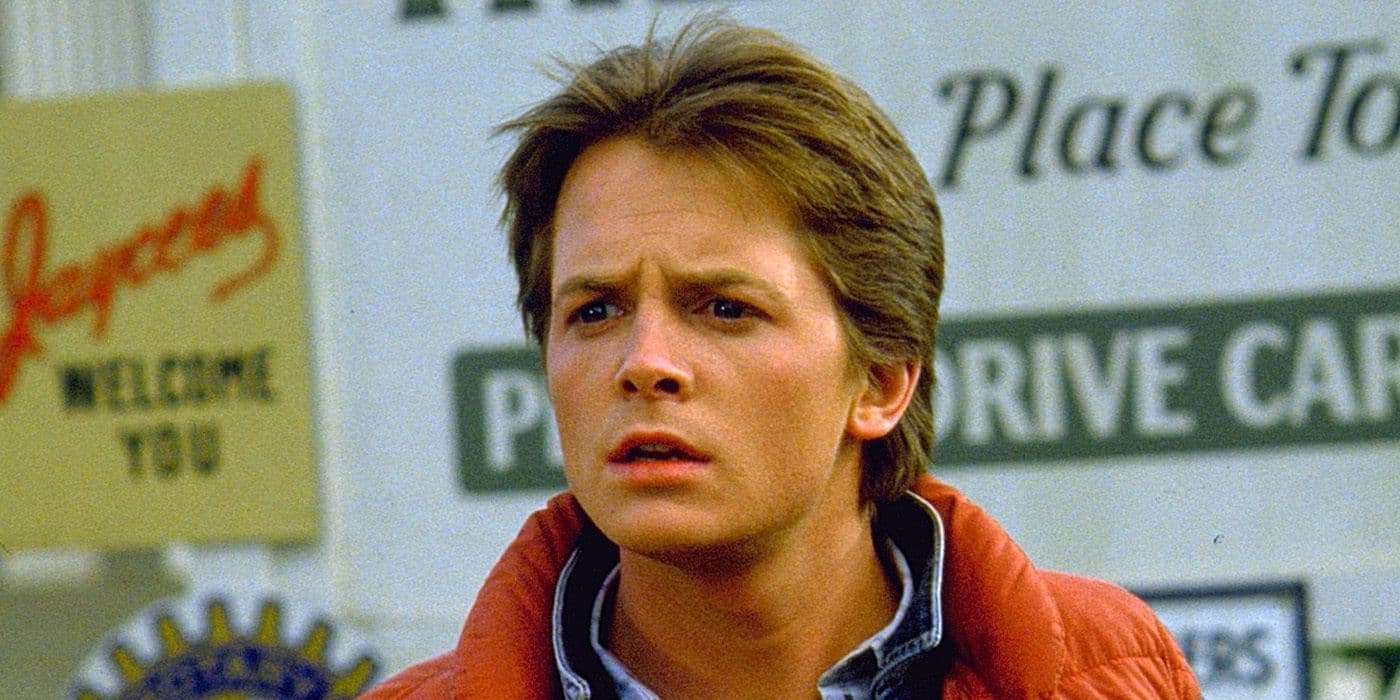
"Back to the Future" follows teenager Marty McFly, who accidentally travels back in time to 1955 in a DeLorean converted into a time machine by eccentric scientist Doc Brown. There, he inadvertently prevents his future parents from meeting, threatening his very existence. As he navigates the challenges of adolescence in a past era, Marty must find a way to ensure his parents fall in love and avoid a catastrophic disruption of his own timeline.
A cornerstone of the film is its exploration of time travel mechanics, consequences of actions, and the importance of choice. However, the original narrative sought to dig even deeper into these themes with a drastically darker ending.
Main Characters
Marty McFly
The adventurous teenager who finds himself caught in the past and must navigate the complexities of his parents' teen years.
Dr. Emmett Brown (Doc Brown)
The intriguing scientist whose inventions lead to time travel and its philosophical implications.
Lorraine Baines McFly
Marty's mother, whose romance with his father is crucial to the plot and hangs in the balance during Marty's time-traveling escapade.
George McFly
Marty's father, whose character development is integral to the story, as he evolves from a timid youth to a more assertive adult.
While these characters are known for their comedic resilience, the original draft portrayed them in a considerably more tragic light due to the ominous conclusion.
Ending or Latest Episode Explained
In the original ending of "Back to the Future," the film was supposed to culminate in a catastrophic event involving an atomic bomb. This finale is a stark contrast to the triumphant and humorous ending that fans are familiar with today. Instead of successfully returning to the future and securing his place in the timeline, Marty could have faced dire consequences directly resulting from the misuse of the time machine.
The atomic bomb scenario implies a much darker take on the implications of time travel — a commentary on mankind's capability for self-destruction. If this version were to have been filmed, it would have left audiences with a substantial emotional weight, showcasing that tampering with time can have tragic outcomes.
It's also worth noting that such an ending would force viewers to confront serious themes of morality, cautioning against the reckless use of technology and the butterfly effect of actions across time. Given the film's overall light-hearted and adventurous tone, this original ending could have inadvertently tipped the balance towards dark comedy or even tragedy.
What Could Happen Next
If the original ending had been filmed and released, the sequels may have taken on a very different structure. Instead of focusing on adventures through time with humorous escapades, future installments could have leaned more into themes of dystopia and the consequences of time travel.
Imagining a sequel with a darker undertone opens up narrative possibilities. Would the timeline continue to devolve into chaos? Would Marty and Doc have to confront their past mistakes with more gravity? Would the misadventures have more dire stakes than just simple mishaps?
Perhaps alternative sequences could have explored redemption arcs for characters who faced the consequences of a tainted legacy, blurring the lines between hero and villain in a world impacted by the fallout of the atomic bomb mishap.
Why This Is Trending
Discussion about the original, darker ending of “Back to the Future” is trending due to various outlets, like Collider, revisiting the concept, sparking fan interest in how different choices during the filmmaking process can change the course of pop culture history. It draws attention to the narrative evolution from script to screen—how a film can take on a life of its own and how creativity can explore even the darkest themes.
Fans of the franchise are eager to engage in conversations around the themes, potentially recognizing the importance of understanding our past actions and decisions in light of the future. As cinema continues to evolve, it’s fascinating to see how something as beloved as "Back to the Future" could have taken a significantly darker turn.
Final Thoughts
The exploration of what might have been with “Back to the Future’s” original ending leaves us contemplating the fragility of narrative structure and character development. While the iconic film stands as an emblem of fun and adventure today, the darker ending reminds us of the dramatic impact storytelling can wield.
Every iconic film has its own set of “what ifs,” and understanding these alternate realities can enhance our appreciation of what we’ve been given. As fans and viewers, we are often left to speculate the depths of creativity and the directions a story might take in the hands of dedicated storytellers.
Reflect on the essence of your favorite films — what would change if they ventured into darker themes, and how would that shift our understanding of the story? The conversation around "Back to the Future" continues to be rich and inspiring, reminding us of the timeless power of storytelling.