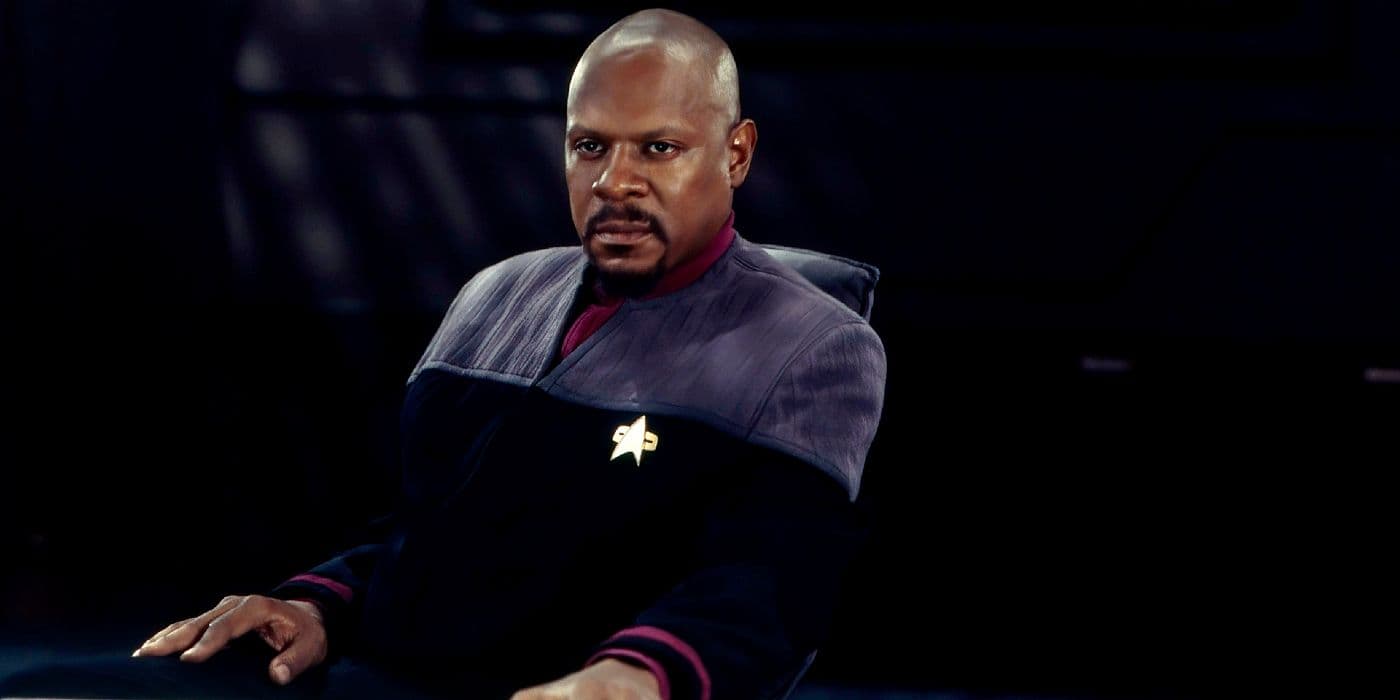
Avery Brooks' Favorite Star Trek: Deep Space Nine Episode: 'Far Beyond the Stars'
In the realm of Star Trek, few episodes resonate as deeply as "Far Beyond the Stars" from Star Trek: Deep Space Nine. Avery Brooks, who played the iconic Captain Benjamin Sisko, has often described this episode as his favorite. This installment is not just a sci-fi narrative; it's a powerful exploration of identity, creativity, and societal issues, reflecting the broader themes central to the Star Trek franchise. Let's dive deeper into why this particular episode stands out, the story setup, the main characters it features, its resolution, future implications, and why it's currently trending.
Quick Summary
"Far Beyond the Stars" is the 147th episode of Star Trek: Deep Space Nine, originally aired in 1998. It tackles heavy themes through the lens of science fiction, focusing on racial discrimination, the struggles of the creative spirit, and the importance of storytelling. The narrative unfolds in a surreal setting where Sisko experiences visions of life as a black science fiction writer in 1950s New York, prompting deep reflections about his existence and the societal constructs that define it.
Story Setup
The episode is unique in its storytelling approach. It opens with Sisko experiencing vivid flashbacks and visions, leading him to a mid-20th-century world quite unlike what he knows as a Starfleet officer. In this alternate reality, he embodies the character of Benny Russell, a struggling African American writer working for a science fiction magazine. The historical backdrop sets the stage for a poignant exploration of the challenges faced by minority creators in a predominately white industry during a time of significant racial tension.
Through Benny, Sisko grapples not only with his identity but also with larger existential questions about the nature of reality, storytelling, and individuality. The episode prompts viewers to reflect on the society of the time—while pushing the boundaries of a genre that often explores themes of hope and progress.
Main Characters
The episode boasts a rich tapestry of characters that deeply enrich the narrative:
- Benjamin Sisko / Benny Russell (Avery Brooks) - The protagonist navigating his dual realities. Both a Captain in Starfleet and a writer, Sisko faces profound inner turmoil.
- Captain Jules Pierre Malraux (Joseph C. Phillips) - Benny's fictional commanding officer in the alternate world, embodying the struggles and complexities of leadership and creativity.
- Keiko O'Brien (Yoshiko Matsumoto) - In Sisko’s vision, her character represents grounding support, showcasing the power of love and understanding against the backdrop of adversity.
- Kira Nerys, Jadzia Dax, and Worf (Nana Visitor, Terry Farrell, Michael Dorn) - These characters serve as crucial members of Benny’s life, highlighting themes of friendship and resistance.
Ending or Latest Episode Explained
The climax of the episode unfolds as Benny faces rejection from a publishing house, reflecting the harsh realities of racial and creative discrimination. The stark contrast between the dreams of creative accomplishment and the oppressive realities of society creates a deep emotional resonance. The episode culminates in a surreal confrontation with institutionalized racism, symbolized in an impassioned monologue by Sisko as Benny expresses his frustration against systemic barriers that hinder not just his career, but the collective aspirations of those marginalized in society.
Ultimately, Sisko awakens from his visions, leading viewers to question what is real and what is not. The closing moments leave a lasting impact, reminding audiences that the fight for justice and representation continues—a theme that remains relevant in contemporary discourse.
What Could Happen Next
While specific future developments in the Star Trek universe based on this episode remain speculative, the rich thematic foundation laid by “Far Beyond the Stars” opens numerous avenues for storytelling. Star Trek has a long-standing tradition of revisiting historical issues through the lens of science fiction.
Future series or episodes could explore the themes of racial identity, systemic discrimination, and the importance of narrative from a contemporary viewpoint. Additionally, Sisko's experiences could lead to new revelations about the power of storytelling itself, perhaps even inspiring younger generations to articulate their own struggles and triumphs through creative expression. As discussions around diversity and representation become more critical in media, revisiting or reimagining stories like Benny's can pave the way for dialogues that resonate with today’s audiences.
Why This Is Trending
With ongoing conversations about representation and diversity in media, Avery Brooks’ favorite episode resonates strongly in today’s sociocultural landscape. As issues surrounding race and identity continue to permeate entertainment and beyond, "Far Beyond the Stars" provides a timeless reflection on these topics. Online discussions, social media hashtags, and recent features in various entertainment forums have highlighted the episode's relevance, inspiring both new viewers and nostalgic fans alike.
Moreover, Avery Brooks’ legacy as both an actor and a director in Star Trek plays a significant role in its resurgence in discussions. As fans celebrate the diverse voices and perspectives that Star Trek has championed, episodes like this remind us of the franchise's foundational values—encouraging exploration, acceptance, and unity across differences.
Final Thoughts
In conclusion, “Far Beyond the Stars” remains a peak moment not just for Star Trek: Deep Space Nine, but for the broader television landscape. Through Avery Brooks’ remarkable performance, the episode transcends its sci-fi genre, leaving an indelible mark on discussions of race, creativity, and societal challenges. As fans eagerly anticipate what lies ahead in the Star Trek universe, it’s clear that this episode will continue to inspire and provoke meaningful conversations for years to come. Whether you’re a lifelong Trekkie or new to the franchise, taking the time to explore this episode will undoubtedly enrich your understanding of what Star Trek represents.