Apple TV's 16-Episode Historical Drama Is Too Good To Be Left Unfinished
The world of streaming television has seen remarkable narrative achievements, but few have resonated as deeply as Apple TV's wonderfully crafted series, Pachinko. However, the recent decision to discontinue this beloved historical drama after its second season has left fans unsettled and yearning for closure. With its rich storytelling and compelling characters, Pachinko has garnered critical acclaim, making its abrupt end all the more jarring. In this article, we will explore the story setup, main characters, and what the future might hold for this magnificent saga.
Quick Summary
Pachinko, based on Min Jin Lee’s bestselling novel, narrates the multi-faceted experiences of a Korean family over several generations, intertwining themes of love, struggle, and cultural identity against the backdrop of early 20th century Korea and Japan. The series has covered 16 episodes across two seasons, but the unexpected conclusion has left numerous plotlines dangling and a dedicated fanbase feeling abandoned.
Story Setup
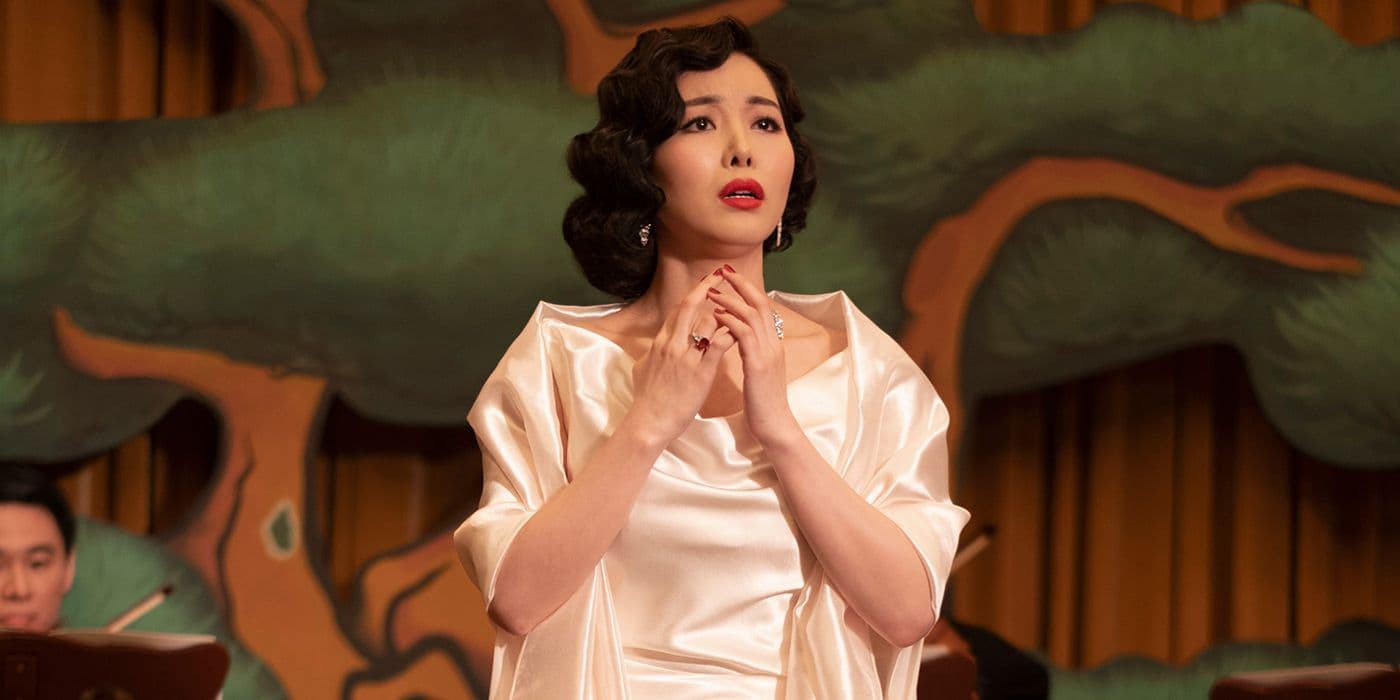
The narrative of Pachinko unfolds over decades, starting in Korea during the early 1900s, a time when the nation was grappling with colonial influences and nationalistic upheaval. The story primarily revolves around Sunja, a young woman who finds herself pregnant with the child of a wealthy man, Koh Hansu. Unwed and facing societal ostracism, Sunja must make a crucial choice that leads her to a new life in Japan.
This starting point sets the tone for exploration into themes of identity and belonging, as Sunja's descendants navigate the complexities of life as Koreans in Japan. The show meticulously showcases the challenges they face, from anti-Korean sentiments to the quest for acceptance and stability. Each character brings a unique perspective to these shared struggles, illustrating how identity is shaped by love, sacrifice, and resilience.
Main Characters
-
Sunja - The protagonist whose journey from Korea to Japan anchors the story. Her character exemplifies strength in adversity, grappling with the pain of her past and the responsibilities of her family.
-
Koh Hansu - A wealthy fish broker who complicates Sunja’s life. His character symbolizes the intersection of privilege and despair, often acting as both a benefactor and a source of torment.
-
Noa - Sunja's son, whose complexities increase as he navigates his identity in a society that sees him as an outsider, struggling to balance his familial bonds and societal expectations.
-
Yumi - A supportive character who stands by Sunja and serves as a bridge between tradition and modernity, reflecting the broader societal shifts occurring in the narrative.
These characters not only move the plot forward but also embody the struggles of their era, enriching the tapestry of the series.
Ending or Latest Episode Explained
As of the latest season, Pachinko delivers a blend of triumph and heartache, capturing the unpredictable nature of life and family dynamics. While specific plot developments remain undisclosed, the closing episodes emphasize the emotional stakes of the characters' journeys, culminating in a societal confrontation that is likely to shape their destinies.
The second season has left viewers with several unresolved threads, including questions of loyalty, cultural heritage, and the search for identity. While the finale of season two brings a sense of closure to some arcs, others remain open-ended, suggesting that there is still much to explore in this extensive narrative.
What Could Happen Next
Given the abrupt cancellation of Pachinko, fans are left to speculate about potential storylines that could have unfolded in a third season. Here are a few possibilities:
- Generational Conflict: With the characters now poised at critical junctures in their lives, the subsequent season could delve into their children’s experiences, revealing how history reshapes identities and ambitions.
- Cultural Resistance: As the storyline progresses, the tension between Korean and Japanese cultures provides rich material for exploring themes of resistance and acceptance.
- Personal Redemption: Characters like Noa could embark on journeys of personal discovery and redemption, seeking to forge their paths amid the expectations of their heritage.
- Broader Historical Context: The narrative could branch out to encompass pivotal historical events that shape the Korean identity, adding depth to character motivations and choices.
Ultimately, fans are left with dreams of unresolved questions, and many hope that the series can one day return to bring these stories full circle.
Why This Is Trending
The sudden cancellation of Pachinko has spurred discussions across various platforms, highlighting both the series' cultural significance and the art of storytelling in modern media. Fans are rallying together on social media, advocating for the show's return and attempting to raise awareness about its profound impact. The backlash against the cancellation indicates a powerful connection viewers have developed with these characters and their storylines. The show’s aesthetic, narrative complexity, and representation of historical struggles resonate strongly with a diverse audience, making it a topical focus in conversations about representation in media.
Final Thoughts
Pachinko's rich narrative and character development have left audiences clamoring for more. The series boldly explores themes of identity, heritage, and resilience, giving voice to the often-overlooked stories within the historical tapestry. Fans are united in their frustration over its abrupt ending and hopeful for a resolution.
In an age where storytelling is evolving, the need for platforms to greenlight projects that matter—stories that touch hearts and minds—is crucial. As we await developments, Pachinko remains an emblem of storytelling’s power and its ability to connect us across time and cultures. The future may be uncertain, but this historical drama's legacy has solid roots that continue to captivate, meaning its unresolved tale is simply too good to be left unfinished.