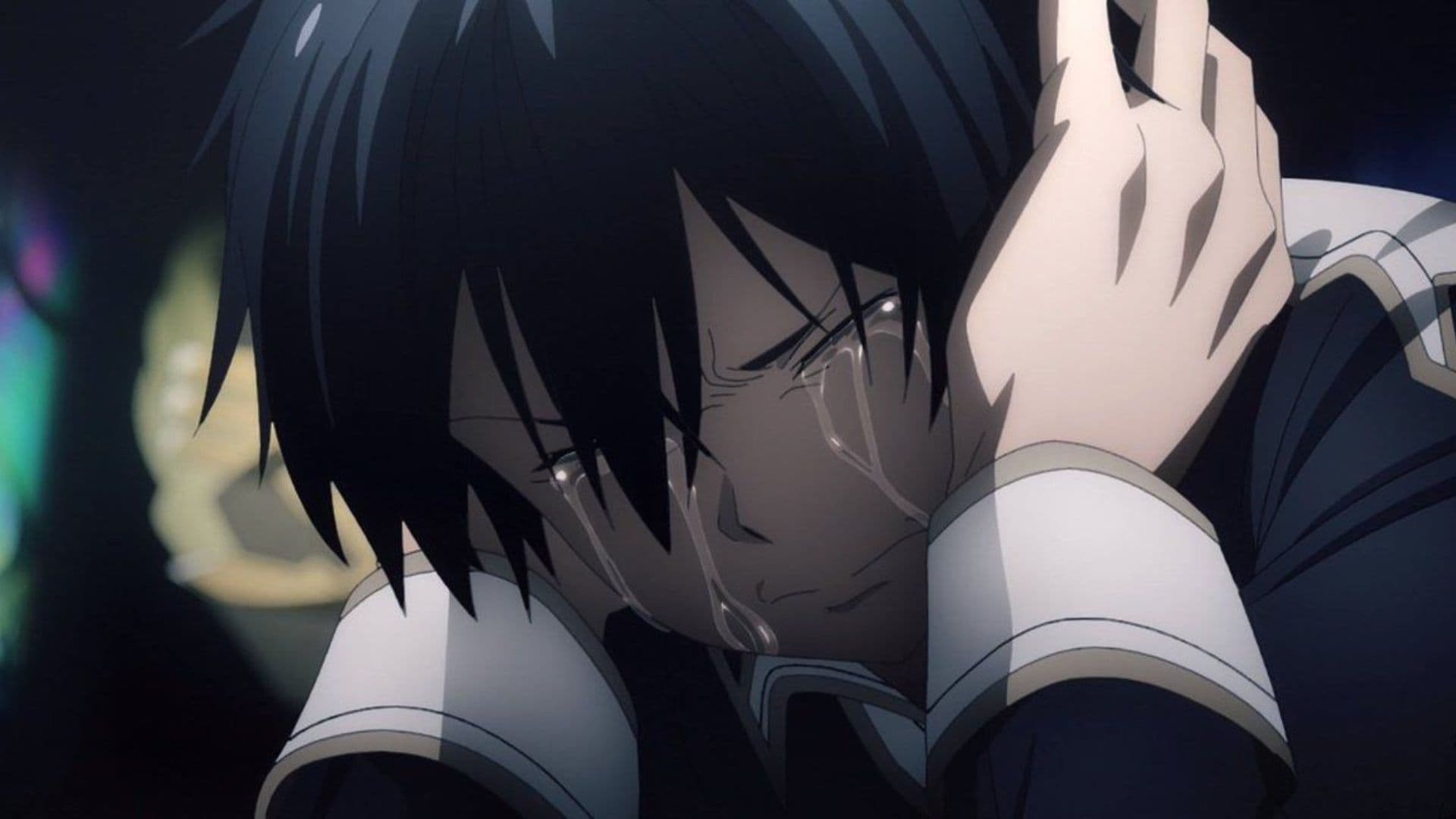
Anime's Worst Genre is Dying (& That Could Be a Good Thing)
The anime landscape is ever-evolving, reflecting changes in audience preferences and cultural trends. One of the most talked-about shifts lately has been the apparent decline of the isekai genre—the subcategory that features characters being transported to different worlds, often with fantastical elements. This article delves into why the decline of isekai might be a beneficial change for the anime community, and what implications it holds for the genres that may take its place.
Quick Summary
The isekai genre, long criticized for its formulaic storytelling and lack of original concepts, is seeing a downturn in popularity. As audiences grow fatigued with the repetitive tropes characteristic of isekai narratives, new genres and innovative storytelling methods are beginning to surface, creating opportunities for fresh content that could enrich the anime landscape.
Story Setup
Isekai narratives typically revolve around a character who is suddenly transported into a parallel world, often involving game-like mechanics or fantastical settings. While it enjoyed a boom in popularity following series like Sword Art Online and Re:Zero, many viewers have recently expressed fatigue over its predictable storylines and character archetypes. The landscape has been cluttered with works that seem to repeat itself, focusing heavily on the trope of the 'ordinary person becoming an extraordinary hero,' which has led to a decline in viewer interest and engagement.
From anime to manga and light novels, isekai dominated much of the market in recent years, leading to a saturation of similar narratives and character types. With the growing sentiment that an oversaturation has occurred, we find ourselves at a pivotal moment—one where die-hard fans and casual viewers alike are eager for a change.
Main Characters
The protagonists of the isekai genre usually share certain traits: they are often ordinary individuals who experience swift, dramatic transformations upon entering the new world. This can be an enticing premise; however, as audiences have grown accustomed to these character arcs, the thrill that once accompanied them has diminished. Characters in isekai tend to fall into well-worn archetypes, such as the reluctant hero, the harem lead, or the overpowered MC designed solely to satisfy viewer fantasies. The familiarity can lead to a lack of emotional investment—viewers no longer feel the element of surprise or engagement with characters that seem to fit into a predictable mold.
As we explore the possibilities for new genres to rise from the ashes of isekai, it becomes necessary to consider what sort of characters will resonate with audiences. Perhaps complex, multilayered characters will emerge, who evolve through struggles and growth, rather than merely embracing sudden, inexplicable power. The anime world might soon witness protagonists that challenge traditional notions of heroism or build deep connections with their environments and other characters.
Ending or Latest Episode Explained
Based on available public metadata, there isn’t a specific series detail to grasp concerning the resolution of an ongoing isekai plot. However, the overarching idea remains: the saturation of isekai has left viewers disinterested in repetitive endings where the hero triumphantly conquers foes with minimal challenges. Many fans are craving series that take risks—narratives that build dramatic stakes and present complex moral dilemmas rather than straightforward battles of good versus evil.
What Could Happen Next
As isekai wanes, what could rise in its place? Several genres have already begun to catch the attention of audiences hungry for originality. For one, psychological thrillers that dig deep into the human psyche could provide a stark contrast to the often simplistic plots seen in isekai. Similarly, slice-of-life dramas or character-driven stories focusing on everyday struggles could develop a stronger fandom.
We might also see a resurgence in genres that were once popular but faded into the background, such as supernatural thrillers or sci-fi narratives that explore the boundaries of technology and humanity. Unique takes on historical settings could allow for creative storytelling that examines real-life issues through the lens of the fantastical.
The horror genre, too, could pick up speed, appealing to audiences who crave suspense and the unknown rather than adventure in other realms. By expanding into other storytelling forms, anime creators could provide fresh narratives that engage viewers emotionally and intellectually.
Why This Is Trending
The decline of the isekai genre is a topic of conversation amongst anime enthusiasts and critics alike. Various factors contribute to this trend: the sheer accessibility of content available today means that audiences can experience different genres at the click of a button. As platforms flood the market with diverse offerings, viewers are more empowered than ever to express their dissatisfaction with formulaic storylines.
The conversation around isekai isn't merely about the genre itself but also highlights broader issues within the anime industry, including calls for innovation and creative storytelling. As the narrative landscape changes, fan engagement will likely shift too—leading to a new chapter wherein unique stories take precedence over repetitious formulas.
Final Thoughts
The potential decline of the isekai genre could indeed pave the way for richer storytelling experiences within the anime community. By recognizing the fatigue surrounding familiar tropes and predictable arcs, creators and studios can take the opportunity to revive audience interest by developing new genres and fresh perspectives. More than ever, fans have shown they are ready for innovation, and the next wave of anime could bring diversity, depth, and complexity that many have long desired. The shift may prove beneficial, igniting a renaissance for anime storytelling as a whole.
As the anime landscape continues to transform, there’s no telling what fresh voices and stories will emerge—prompting all of us to stay curious and engaged in this dynamic medium.