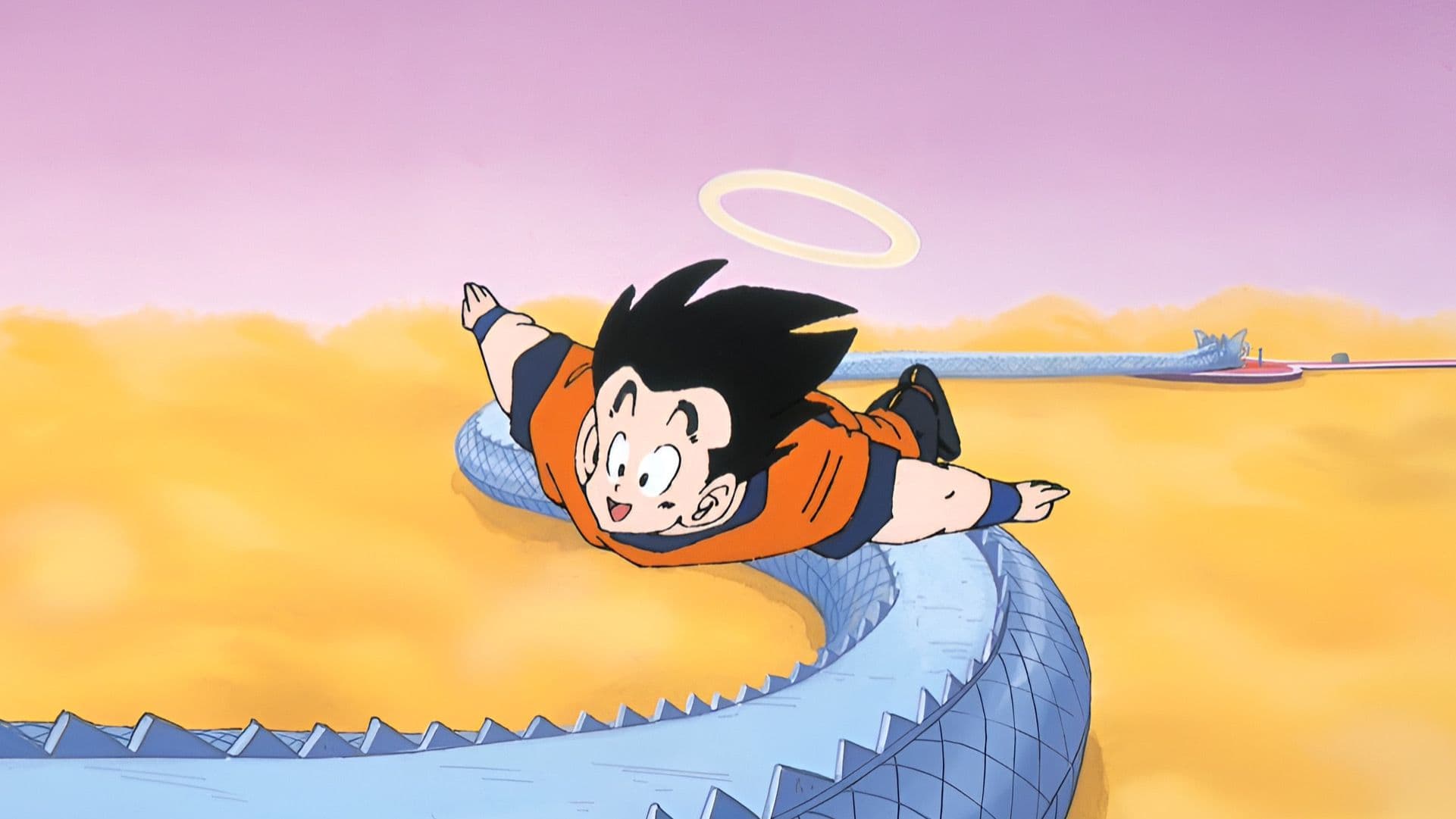
8 Anime Characters So Strong, They Had To Be Written Out Of The Story
Anime often showcases extraordinary abilities, featuring characters that leave viewers in awe. However, when a character becomes too overpowered, writers sometimes face a dilemma. To maintain dramatic tension and balance, they must write these powerful characters out of the story. In this breakdown, we explore eight anime characters that were deemed too strong, their impact on their respective narratives, and why this decision sparked conversations among fans.
Quick Summary
Overpowered characters bring excitement but can complicate storytelling when they tip the balance of conflict. This article examines various anime where creators had to reconsider their mightiest heroes and villains, explaining the reasoning behind their removal and its implications for the story as a whole.
Story Setup
In many anime series, especially those in genres like shonen, characters evolve with immense levels of power. Initially, they may start out as relatable, modest fighters striving to overcome their limits. As the narrative progresses, however, they can sometimes develop abilities that make them unbeatable. This shift turns into a storytelling challenge for writers: how to create tension and drama when the protagonist or antagonist can easily thwart any threat.
Anime frequently relies on the escalation of power; heroes train, face challenges, and grow stronger. But what happens when a character reaches a point of power that overshadows the rest of the cast? When this occurs, the character might become a narrative weight rather than a driving force. Some examples include characters like Saitama from One Punch Man, who, despite being designed as a parody of overpowered heroes, reflects the struggle of maintaining engagement when one character can resolve conflict single-handedly.
Main Characters
Here’s a list of eight notable characters who were written out or sidelined due to their overwhelming strength:
-
Saitama (One Punch Man): As the name suggests, Saitama can defeat any foe with a single punch, which poses a unique challenge for storytelling. His character serves as a commentary on superhero tropes, but his invincibility often leads to awkward scenarios where much of the conflict feels steered away from him.
-
Zeno (Dragon Ball Super): Zeno has the power to erase entire universes with just a wave of his hand. While initially a source of intrigue, his strength undercuts the stakes for other characters, leading to decisions on how much screen time he should actually get.
-
Garry Oak (Pokémon Anime Series): Thanks to his great lineage and skill, Gary appears almost unbeatable. As characters like Ash grow, they tend to overshadow Gary, making it necessary for writers to introduce more obstacles to keep interactions engaging.
-
Alucard (Hellsing Ultimate): A near-immortal vampire, Alucard is powerful beyond comprehension. His abilities challenge narrative tension, and as such, scenes often require creative limitations on his powers.
-
Kirito (Sword Art Online): Introduction to his many abilities makes him seem infallible, leading to some fans feeling he overshadows his peers. While his character can drive plots, it sometimes results in a narrative balance issue.
-
Luffy (One Piece): With the nature of the New World arc, Luffy's powers have grown exponentially, making his struggles far less relatable as the series progresses. This shift has caused some story arcs to include times where he has to be sidelined.
-
Overhaul (My Hero Academia): Initially introduced as a formidable antagonist, Overhaul's abilities made it difficult for the heroes to gain traction. His character was written off as the sheer power level he exhibited demanded drastic plot machinery to counteract.
-
Guts (Berserk): Known for his insane strength and combat prowess, Guts’s character at times strikes a note that he can handle just about any threat. As the narrative progresses, exploring internal conflicts and psychological depth has been a necessary shift to keep him relatable.
Ending or Latest Episode Explained
Based on available public metadata, these discussions revolve around the revelation that some characters, due to their overpowered roles, have led to crucial plot pivots, fight dynamics, and character arcs being disrupted. By writing out characters or significantly decreasing their roles, writers can amplify drama and focus on developing the supporting cast.
This tactic is also beneficial for fostering emotional resonance. Characters who struggle against real odds are usually more relatable and can create deeper connections with the audience. As seen with various series, the balance in character power dynamics helps build tension and maintain viewer engagement.
What Could Happen Next
In exploring the expulsion of overwhelmingly strong characters, fans are left to wonder about future plot developments. Many may debate how the remaining cast will step up in the absence of these previously overpowered figures. What new threats will challenge existing characters, and how will they adapt to overcome adversity without the crutch of super-strong allies? This inquiry keeps the audience engaged as they anticipate upcoming showdowns.
Moreover, this trend might lead to a rise in character complexity. Writers may aim to cultivate new heroes and villains that are not merely defined by their strength but rather by nuanced character development and personal goals. Future narratives might delve even deeper into the psychology and motivations of characters who now have to rise above their limitations to succeed.
Why This Is Trending
The decision to write out characters due to overwhelming power not only sparks debates among fandoms but also emerges as a trending topic for media analysis. Communities dedicated to anime often discuss in forums and social media platforms how character strengths affect plot dynamics and viewer experience. Fans appreciate when creators make bold, thoughtful choices to maintain the integrity of storytelling, no matter how frustrating it may feel to lose powerful figures.
The balance in storytelling and character development remains crucial, prompting discussions on forums about the future for currently active or sidelined characters. Engaging with these narratives creates a vibrant dialogue, underlining why even the most powerful characters may need to step aside for the story to flourish.
Final Thoughts
Written removals of characters may seem disappointing initially, but they often serve a purpose in the overall narrative structure. By keeping plot twists refreshed and characters dynamic, anime creators manage to engage viewers while navigating the complexities of character strength. The eight characters mentioned reveal how power scaling challenges writers and fans alike, emphasizing the importance of balance in storytelling.
With the anime community continually growing and evolving, conversations like these will keep bringing fans together while exploring the intricacies of their favorite series. Understanding why and how these character decisions are made deepens the appreciation for the art of anime storytelling. As fans, we remain eager to see how our favorite shows continue to evolve in the face of power dynamics, character arcs, and the unexpected twists of fate.