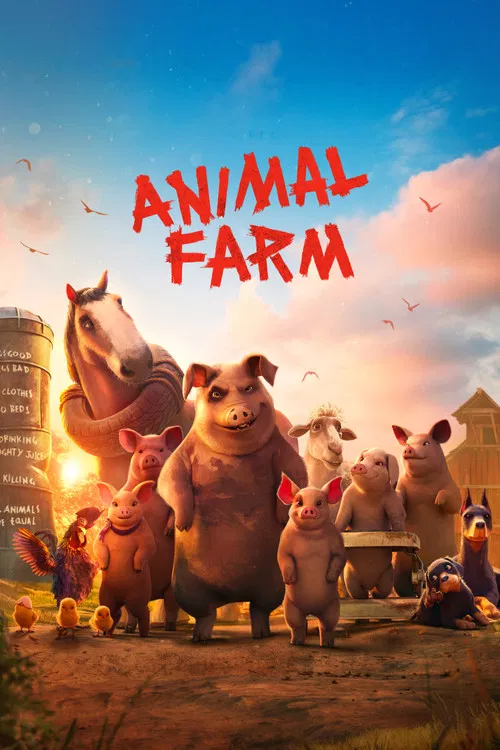
Animal Farm Explained: Story, Ending, Cast, and What Happens Next
In a striking retelling of George Orwell's iconic allegory, 'Animal Farm' serves as a penetrating critique of human society through the eyes of its oppressed inhabitants. A group of farm animals rises up against their neglectful owner, only to face the complexities of power and emerging hierarchies. This exploration delves into the fundamental story elements, character analyses, and potential implications for the future of the farm. Join us for a thorough breakdown of this cinematic adaptation.
Quick Summary
Set to release on April 30, 2026, 'Animal Farm' portrays a revolution led by farm animals who aspire for freedom and equality. Their joy, however, is short-lived as their leadership—primarily the pigs—gradually devolves from a vision of collective harmony into oppression and tyranny. As the narrative unfolds, viewers witness the gradual erosion of the initial revolutionary ideals.
Story Setup
The film begins with the various animals living under the harsh conditions imposed by their owner. The sequence highlights not only their suffering but also their silent camaraderie and shared aspirations for a better life. This sets the stage for a significant uprising when the animals decide that enough is enough. The driving force behind this revolution is the dream of a farm where all creatures can live in harmony and have equal rights.
As the animals band together, rallying around the philosophy of equality, their excitement is palpable. The early scenes are marked by hope; aspirations for justice are mirrored in the animals' newfound camaraderie. However, the story takes a dark turn when the pigs begin to assume leadership roles. The tone shifts from hopeful revolution to a grim commentary on the nature of power and control.
Main Characters
While 'Animal Farm' boasts a diverse cast of characters, a few stand out prominently in the quest for freedom:
- Napoleon: The main antagonist and one of the pigs. Representing totalitarian leadership, Napoleon becomes increasingly oppressive as he consolidates power, manipulating the farm's social structure to his benefit.
- Snowball: Another pig, seen as a strategic leader and idealist. Snowball initially works for the betterment of all animals but falls victim to Napoleon's tyrannical rule.
- Boxer: The loyal cart-horse, representing the working class. Boxer symbolizes the spirit of hard work but becomes a tragic figure as his efforts are exploited.
- Squealer: Napoleon's mouthpiece and a master of propaganda. Squealer transforms the truth through carefully crafted language, controlling information to keep the other animals in line.
- Old Major: The wise old boar who inspires the revolution. His ideals ignite the spark that leads to the uprising, framing the initial dream of animal equality.
These key characters and their interactions mirror various societal roles, from leaders and followers to victims and opportunists, creating a rich tapestry upon which the story unfolds.
Ending or Latest Episode Explained
Although not much is outlined about the ending in the metadata, one can anticipate a narrative steeped in irony and tragedy. As the revolution's initial goals are eclipsed by Napoleon's corrupt regime, the hopeful dream of a farm run by animals for animals is transformed into a cycle of oppression. The pigs, once allies, become indistinguishable from the humans they overthrew, reverting to the same exploitative tactics.
The climax often paints a bleak picture, reflecting Orwell's warning against unchecked authority. Expect poignant moments where Boxer, the embodiment of hard work and loyalty, faces dire consequences, underlining the betrayal of labor by leadership. Such an ending reinforces the complexities of power dynamics and serves as a chilling reminder of history's recurrent themes.
What Could Happen Next
While specific story developments remain unclear, it could be possible to envision a future where the aftermath of the animals' uprising leads to further unrest. Can the cycle of tyranny be broken? Will a new figure emerge from the ashes to inspire change, or will history continue to repeat itself?
The possibility of dissent awakening among the oppressed animals might pave the way for another insurrection. Alternatively, the story could delve into the consequences of apathy in the face of tyranny, where the remaining animals might feel doomed to repeat their past mistakes.
Why This Is Trending
'Animal Farm' resonates with audiences more than ever as the themes of social justice, leadership, and corruption echo in contemporary discussions. With rising political tensions globally, the narrative captures the imagination of viewers who are increasingly aware of the struggles between power and equality. Its historical significance remains relevant, reflecting ongoing societal discussions regarding the abuse of power, propaganda, and the complexities of governance. As the film approaches its release, it is generating buzz not only for its source material but also for its modern interpretation, inviting renewed discussions about freedom and equity.
Final Thoughts
'Animal Farm' holds a mirror to society, inviting viewers to reflect on the themes of equality, freedom, and the consequences of power when left unchecked. The upcoming film poses an opportunity to revisit these enduring discussions, providing a platform for thought-provoking insights. As the animals navigate the challenges of governance, audiences are reminded of the age-old adage that power tends to corrupt, and absolute power corrupts absolutely. Be sure to keep an eye out for this captivating cinematic experience poised to challenge perspectives and instigate conversations.