Andrew Garfield’s Hacksaw Ridge is One of the Most Accurate WWII Movies
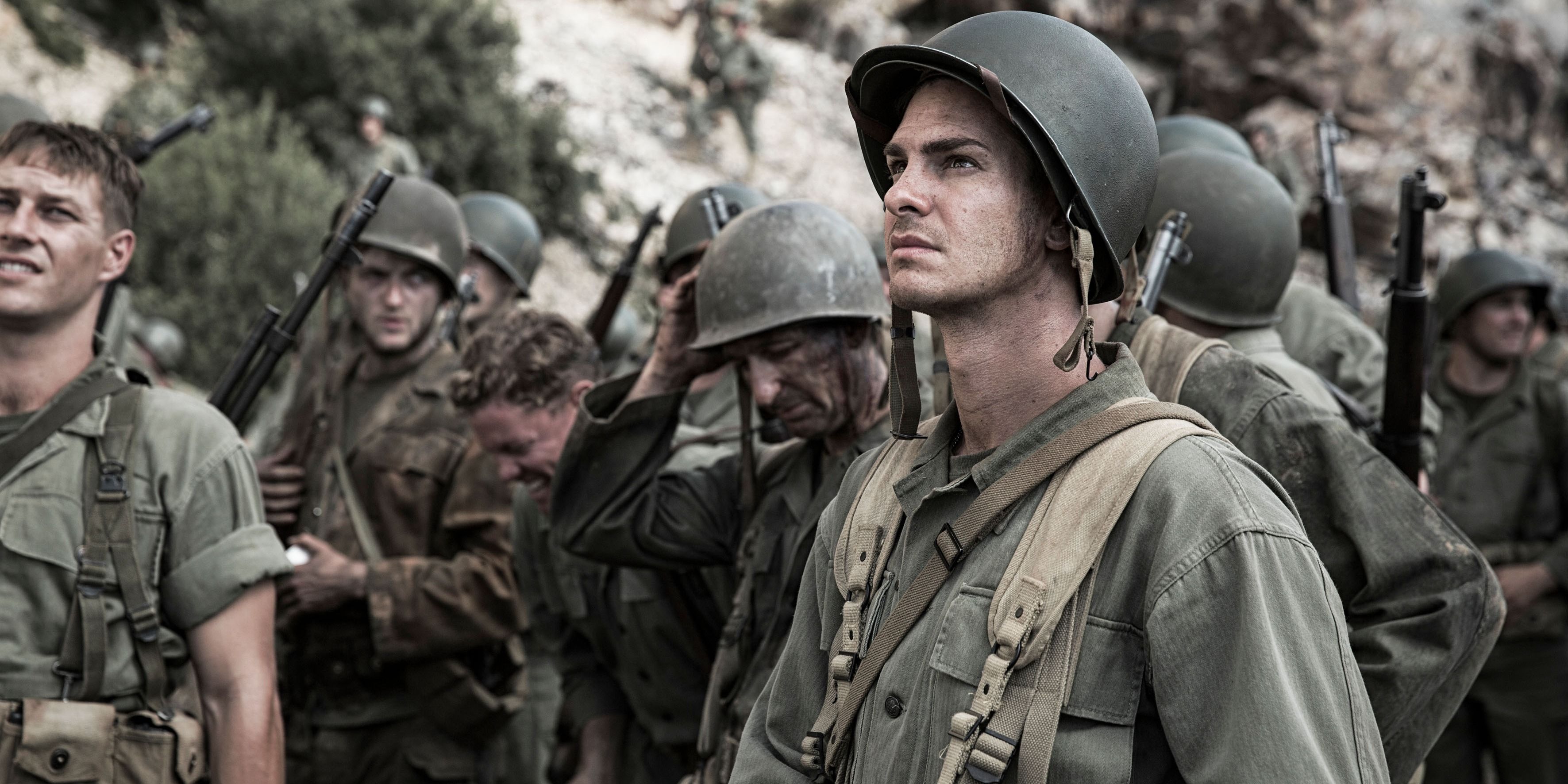
Andrew Garfield stars in the critically acclaimed film Hacksaw Ridge, which distinguishes itself as one of the most accurate representations of World War II on the silver screen. Unlike many war films that often embellish facts for dramatic effect, Hacksaw Ridge honors the truth of the actual events it depicts, delivering an even more powerful narrative in doing so. This article explores the reasons behind its standing out, focusing on its accurate portrayal of events, character development, and overall impact.
Quick Summary
Hacksaw Ridge is a biographical war film directed by Mel Gibson, released in 2016, that chronicles the true story of Desmond Doss, a conscientious objector and combat medic during World War II. The movie is celebrated not only for its intense battle scenes but also for its commitment to factual storytelling, making it a noteworthy entry in the World War II film genre. Andrew Garfield's compelling performance as Doss is complemented by a strong supporting cast, bringing a nuanced depiction of bravery and faith to life.
Story Setup
Set against the backdrop of World War II, Hacksaw Ridge introduces us to Desmond Doss, who grew up in Virginia with a father who fought in World War I and a mother with a strict religious upbringing. Doss’s personal beliefs lead him to become a conscientious objector, refusing to carry a weapon on religious grounds due to his Seventh-day Adventist faith. Instead, he enlists as a medic, determined to serve his country without compromising his principles.
This unique premise sets the stage for a gripping exploration of the moral dilemmas faced by soldiers in combat, where the question of faith versus duty looms large. His determination prompts fierce backlash and skepticism from fellow soldiers and commanding officers, culminating in a harrowing experience on the battlefield at Hacksaw Ridge, Okinawa, where his valor shines.
Main Characters
Desmond Doss, played by Andrew Garfield, is the heart of the story. His character embodies the struggle between faith and duty, and Garfield’s portrayal earned him significant acclaim, including an Academy Award nomination.
Supporting him is . . .
- Vince Vaughn as Sergeant Howell, who initially doubts Doss but later becomes a supporter of his efforts on the battlefield.
- Sam Worthington as Captain Glover, who stands up for Doss's right to serve without a weapon.
- Luke Bracey as Smitty Ryker, a fellow soldier who initially antagonizes Doss but eventually recognizes his bravery.
- Rachel Griffiths plays Doss's mother, embodying the emotional weight of his upbringing and the sacrifices of war.
These characters collectively enrich the narrative, adding layers of complexity and showcasing the diverse perspectives that arise in wartime situations. Their interactions highlight the challenges of acceptance and valor faced by ordinary individuals in extraordinary circumstances.
Ending or Latest Episode Explained
In the climax of Hacksaw Ridge, the violence of war escalates as Doss finds himself atthe front lines during the brutal battle at Hacksaw Ridge. With no weapon to defend himself, he relies solely on his medical training to save as many of his fellow soldiers as possible. The film does not shy away from the brutal realities of warfare, portraying the chaos, fear, and heroism that accompany combat.
Doss's unwavering faith fuels his actions as he continues to run into battle to rescue men from the clutches of death, despite the constant risk to his own life. His heroic acts earn him the respect of his peers, showcasing his indomitable spirit. In a poignant moment, after many rescues, he famously declares, “Lord, help me get one more,” illustrating the film’s exploration of faith and selflessness.
Ultimately, Desmond Doss becomes the first conscientious objector to receive the Medal of Honor, encapsulating the movie's message about bravery, faith, and the moral complexities of war. His story stands as a testament to the fact that one can be a hero without bearing arms.
What Could Happen Next
As Hacksaw Ridge continues to resonate with audiences, discussions about further explorations of Doss’s life or other figures similar to him in historical contexts may arise. There is potential for more films showcasing lesser-known stories of bravery and moral integrity in the military, delving into the lives of conscientious objectors and the moral dilemmas that define their experiences.
Moreover, with the ongoing interest in World War II narratives, it’s plausible that filmmakers will look to create more content focusing on accurate historical portrayals, avoiding the pitfalls of dramatization. This could lead to a more nuanced understanding of the war and the sacrifices made by those who served.
Why This Is Trending
Hacksaw Ridge is trending due to its remarkable blend of accurate storytelling and powerful performances. The film challenges the traditional narratives often seen in war movies, prompting discussions about morality, faith, and the essence of heroism. In recent times, there has been a notable resurgence of interest in historical accuracy in film, leading audiences to seek out movies that provide a deeper understanding of significant events like World War II.
Doss's story of integrity in the face of adversity resonates with contemporary societal themes, making it a relevant film for discussions about individual beliefs versus societal expectations. The respect garnered for Doss's legacy further enhances the film's status, ensuring it remains a focal point in conversations about wartime narratives and the portrayal of heroism.
Final Thoughts
In conclusion, Andrew Garfield’s performance in Hacksaw Ridge, combined with Mel Gibson’s direction and dedication to accuracy, sets the film apart as one of the defining WWII movies of our time. Through careful character development and a steadfast commitment to factual representations, Hacksaw Ridge not only pays homage to a significant historical figure but also encourages viewers to reflect on larger themes of faith, courage, and what it truly means to be a hero in challenging circumstances. As audiences continue to explore the intersection of history and cinema, Hacksaw Ridge stands as a powerful narrative that honors the complexities of war while celebrating the strength of the human spirit.