Agatha Christie’s Unfilmable Detective Masterpiece Still Has the Best Twist in Crime History
Agatha Christie’s literary prowess has created some of the most enduring tales in crime fiction. Among them, one stands out not only for its intriguing plot but also for its jaw-dropping twist: The Murder of Roger Ackroyd. Celebrated as one of Christie’s finest works, this novel has mystified readers since its debut, leaving them in awe a century later. This article will delve into the reasons behind its acclaim, the intricacies of the storyline, and the unforgettable characters who populate this masterclass in crime literature.
Quick Summary
The Murder of Roger Ackroyd centers around the mysterious death of a wealthy man in a sleepy English village. The narrative is notable for its unreliable narrator and a twist ending that flips the genre on its head, raising the bar for future crime writers. This analysis will explore the intricacies of the plot and how Christie’s work remains relevant in today’s crime fiction landscape.
Story Setup
The story unfolds in the quaint village of King’s Abbot, populated by characters who exemplify typical English society. Roger Ackroyd, a prominent local figure, is found dead in his study, presumably murdered. The sudden death occurs shortly after a conversation with his late fiancée’s relative, who reveals a troubling detail about her demise. Set against the backdrop of a small-town whodunit, this premise offers readers a cozy yet chilling experience.
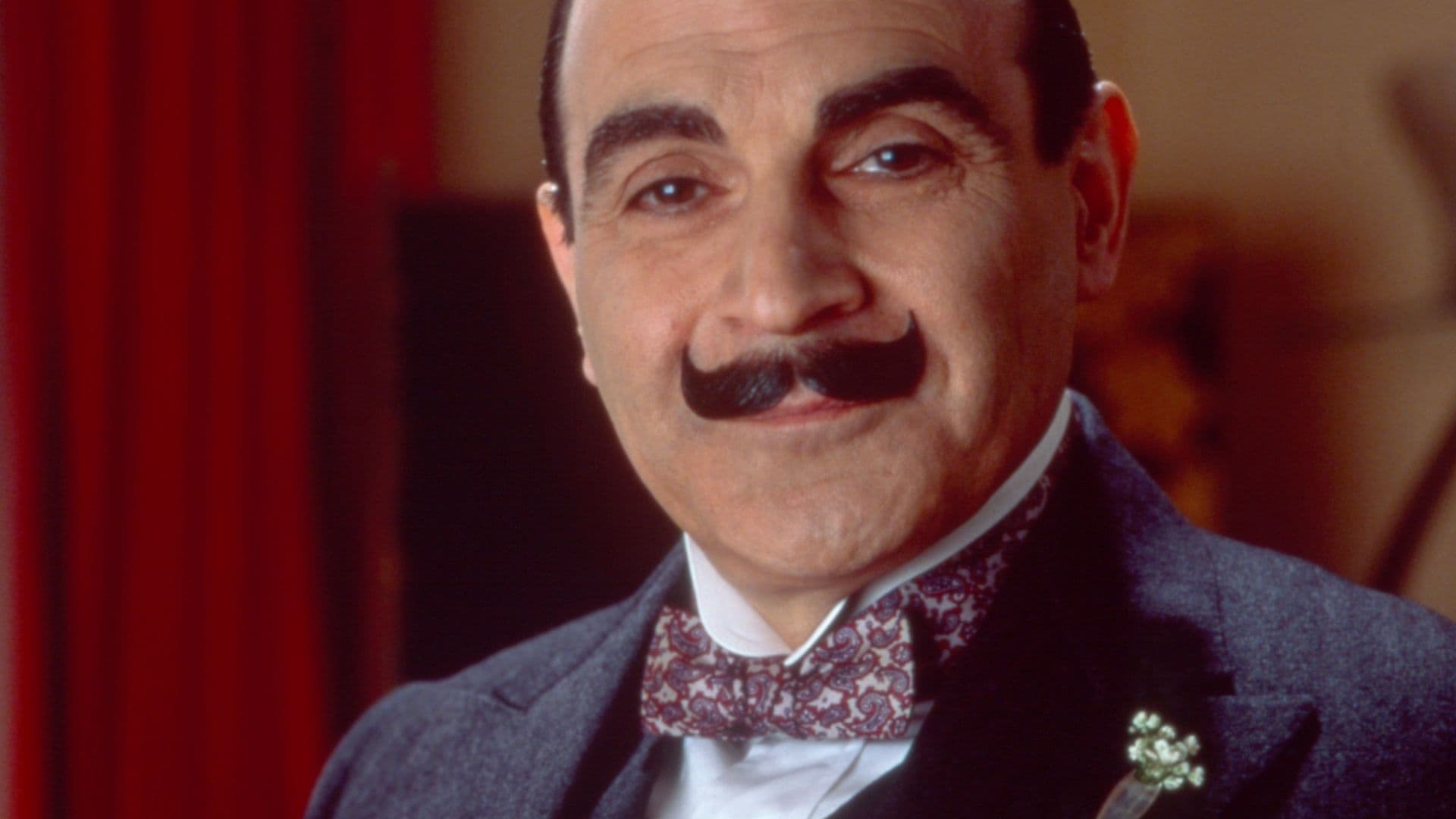
Christie introduces the meticulous Belgian detective, Hercule Poirot, who moves to King’s Abbot to enjoy retirement. Little does he know that his investigative skills will soon be called into play. The storyline is rich with red herrings and a cast of colorful characters, each providing possible motives and alibis. As Poirot delves deeper into the mystery, the tension escalates, keeping readers on the edge of their seats.
Main Characters
- Hercule Poirot: The famous detective known for his little grey cells and attention to detail. His unique approach to solving mysteries sets the stage for the inevitable twist.
- Roger Ackroyd: The victim whose death triggers the entire narrative. As a wealthy and respected man, his murder raises questions about trust and betrayal among the community.
- Dr. James Sheppard: The story's narrator and Ackroyd's friend, whose account provides a fascinating—yet ultimately misleading—perspective on the unfolding events.
- Mrs. Ferrier: A key figure in the narrative with strong ties to both Ackroyd and Dr. Sheppard, she becomes entwined in the emotional depth of the story.
- Other Residents: Each additional character embodies the clichés and customs of English village life, contributing layers to the unfolding mystery.
The interplay between these characters not only propels the investigation but also deepens the overall impact of the twist, making it a collective effort in narrative deception.
Ending or Latest Episode Explained
The novel’s climactic twist remains legendary in the annals of crime fiction. Without giving too much away, Poirot’s revelation about the murderer’s true identity subverts all conventional narrative expectations. What readers initially perceive as a straightforward investigation is actually a complex web of deception that challenges the reader's assumptions about morality and perspective.
The effectiveness of this twist lies in Christie's playful engagement with narrative structure. By employing an unreliable narrator, she successfully steers the audience toward a misleading conclusion, leaving them shocked by the final revelation. Critics and fans alike have hailed this twist as the best in crime history, a title it holds fiercely, even a century later.
What Could Happen Next
As for adaptations or renewed interest in Christie’s work, there's an ongoing conversation about how modern filmmakers could reinterpret The Murder of Roger Ackroyd. Given its unfilmable nature due to the unique narrative style, creators may explore alternative storytelling methods or formats, such as interactive media or performance-based adaptations that maintain the essence of Christie's twist while adding a contemporary flair.
Moreover, with the emergence of true crime and mystery content in various media, we might see a resurgence of Christie’s stories in pop culture. Television and film adaptations could spark renewed interest, enabling a new generation to discover the depths of her narrative genius.
Why This Is Trending
Recent discussions surrounding The Murder of Roger Ackroyd have gained traction, largely due to the celebration of Agatha Christie’s contributions to the genre on the centennial anniversary of the novel's publication. The recognition of its significance in shaping modern crime fiction has rekindled interest among both seasoned fans and new readers. As more people seek out classic literature, Christie's work remains a pivotal influence.
Additionally, discussions on social media platforms and entertainment news outlets continue to highlight her legacy, sparking conversations about the importance of narrative structure and the role of the twist in storytelling. More than just a book, The Murder of Roger Ackroyd serves as an essential touchstone in discussions about literary innovation in the mystery genre.
Final Thoughts
Agatha Christie’s The Murder of Roger Ackroyd is a masterpiece that encapsulates the essence of crime fiction, making it nearly impossible to adapt effectively to film or television. The legacy of its astonishing twist serves as a benchmark for writers, challenging them to craft stories that engage and surprise. As we venture further into the realm of mystery narratives, Christie’s work serves as both inspiration and a cautionary tale about the delicate balance between reader expectations and authorial intention.
With its rich storytelling, unforgettable characters, and unparalleled twist, The Murder of Roger Ackroyd stands resilient against the passage of time, continuing to influence writers and captivate audiences for generations to come.