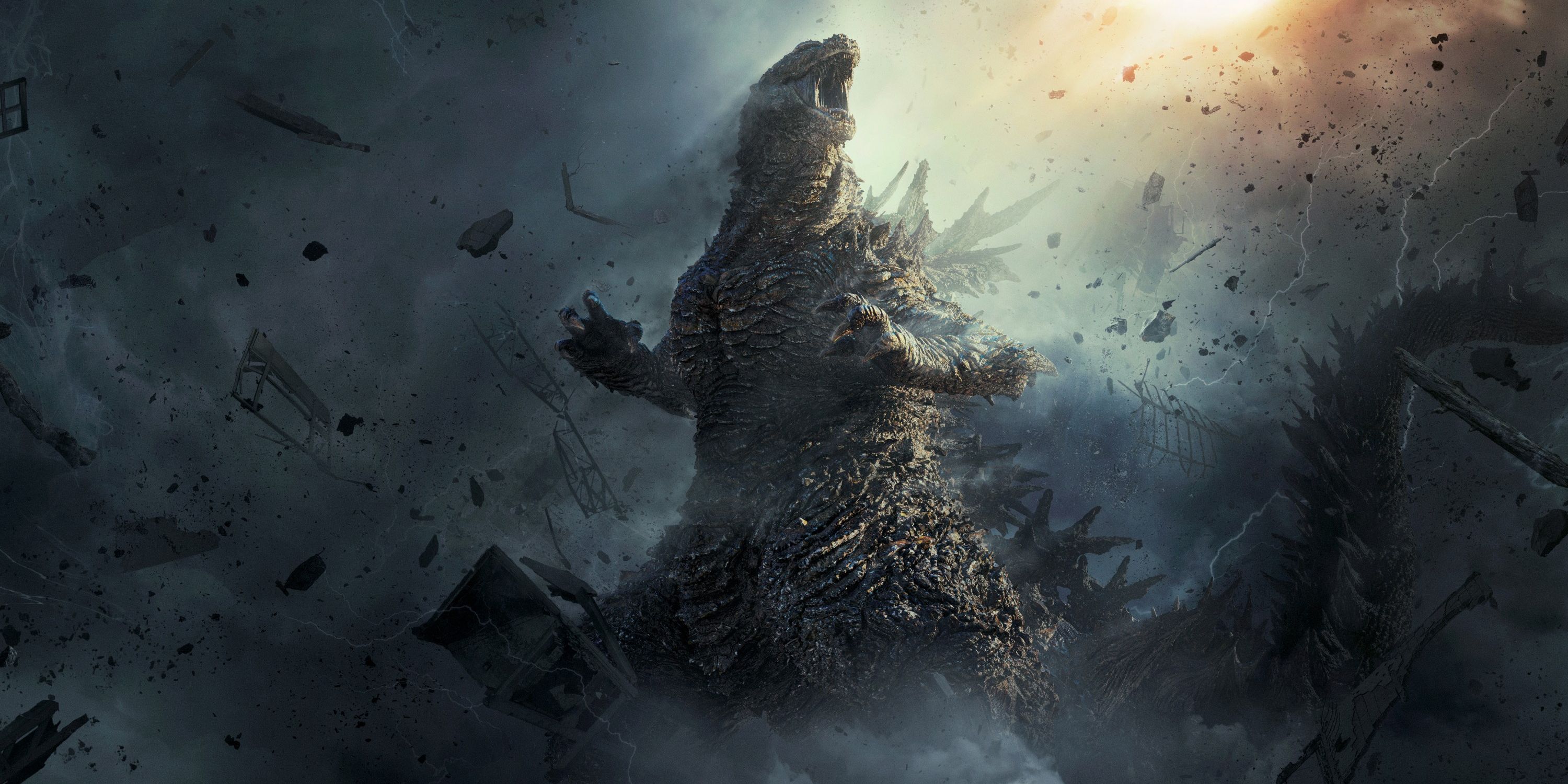
Godzilla
Actors Who Admitted Their Movies Were Bad: A Deep Dive
Explore the candid admissions from actors who revealed why certain films did not meet expectations, shedding light on the filmmaking process.
Explore the candid admissions from actors who revealed why certain films did not meet expectations, shedding light on the filmmaking process.
In simple terms, this article examines moments when actors bravely admitted that some of their previous films fell short of expectations. The central question here is: Why do these confessions resonate so deeply with audiences? What connects these admissions of failure to the filmmaking process and the art of storytelling?
The phenomenon occurs more often than one might expect, lending a unique lens through which we can analyze the tension between marketing, artistic intention, and audience experience. Oftentimes, actors find themselves in roles that they realize only later were poorly conceived or poorly executed.
One of the most striking aspects of this analysis is the timing of these admissions. Years after the release of a film, actors like George Clooney and Sean Connery have openly expressed regret over their performances or the films themselves. Clooney's humorous take on how he possibly “killed the franchise” with one particular role not only reveals his infectious charm but points to a deeper critique of industry expectations and personal accountability. Such confessions often arise during interviews where actors reflect on their careers and acknowledge the creative risks taken, along with the resultant misfires.
In Sean Connery’s case, his dissatisfaction led him to retire from acting altogether. This aligns with a common turning point in an actor’s career — realizing that some pursuits may not be worth the artistic cost. These moments serve as a reminder that cinema is a collaborative effort requiring more than just individual talent; it necessitates a cohesive vision.
It is also essential to consider the pressures that actors face in major studio productions. Many participating in poorly received films expressed that their decisions weren’t purely artistic but were often shaped by studio pressure or financial obligations. Robin Pattinson humorously commented on his role in a widely criticized franchise by dealing with its absurdities instead of shying away from them. This willingness to look back and laugh infuses a sense of humanity into the often glamorized world of Hollywood. Pattinson's remarks hold particular weight in a landscape where authenticity can sometimes be overshadowed by the allure of commercial success.
Actors often bear the brunt of fan expectations for their roles. For instance, Mark Wahlberg candidly admitted in interviews that a particular film “simply did not work,” reflecting a broader theme of misalignment between audience anticipation and the final product. This disconnect points to a significant dilemma in the film industry. When a film misses the mark, actors not only face the possibility of losing audience trust but also risk tarnishing their artistic reputations.
As they look back, actors like Michael Caine, who jokingly noted that he never saw the film but appreciated the house it built for him, provide insight into how commercial success doesn't always equate to artistic fulfillment.
Some admissions go beyond mere regret; they demonstrate a transformation in how actors view their careers. Characters portrayed by actors like Val Kilmer and Sandra Bullock were part of notorious projects that symbolize the struggle between creative vision and industry demands. Kilmer's acknowledgment of the chaotic production process underscores how off-screen disarray can overshadow a film's quality, which inevitably influences performances. Bullock’s assertion that she often questions why a sequel was made reflects a broader sentiment shared by many in the audience. It resonates deeply with fans who wonder how beloved projects can devolve into disappointing follow-ups.
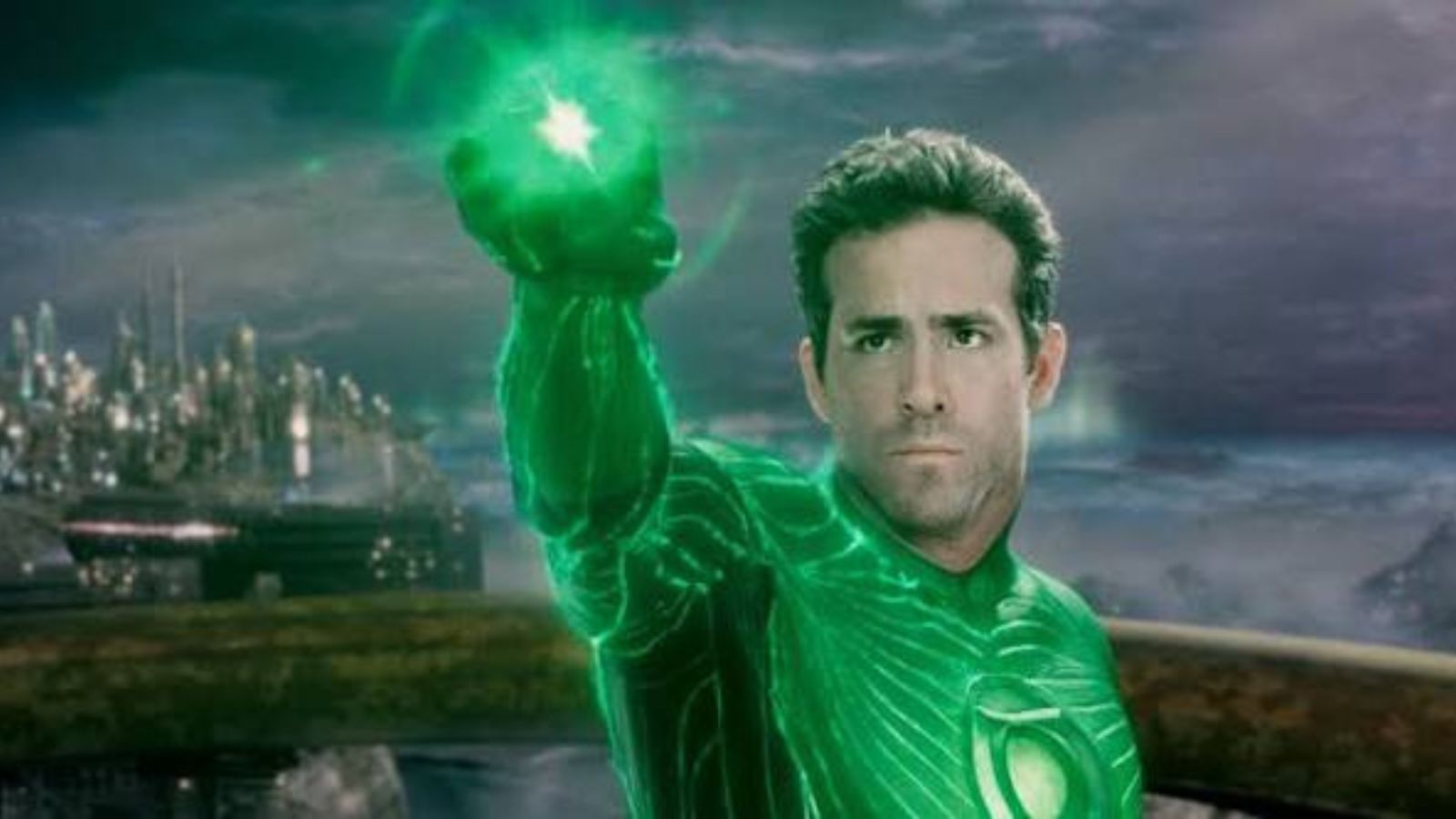
Many of these admissions are shaped by humor and self-deprecation, which in return inspires a deeper connection with their audience. Ryan Reynolds’ comedic mockery of his earlier portrayals in superhero roles has provided fans with a delightful way to engage with the often-serious narrative of cinematic failures. This humorous recognition of failure signifies a powerful tool within the context of art. Rather than allowing disappointment to define their careers, actors turn such experiences into fodder for future projects and collaborations.
So, why do these admissions matter? They remind us that filmmaking is fraught with challenges and is a complex interplay of ambition, vision, and sometimes, outright failure. As audiences, we want to see the authenticity behind the glitz and glamour. Such honesty encourages a healthier discourse about what it means to create art, ultimately demystifying the process of filmmaking and allowing us to relate more to the actors behind the projects.
Acknowledging failures can lead to a broader conversation around artistic risks and the importance of making films that resonate, rather than simply attempting to meet commercial expectations.
In conclusion, the candid reflections from actors who admitted their movies were bad serve as a window into the multitude of complexities involved in film production. Whether it’s Clooney’s playful reflection or Wahlberg’s solemn admission, these stories signify a cultural shift that values honesty and human experience over style and commercial success. They also invite audiences to see actors not merely as celebrities but as individuals grappling with the same questions and doubts we all face in our own pursuits. This changing landscape ensures that future productions may start leaning more towards genuine stories rather than just cinematic spectacles meant to draw in crowds.
Movie explanation
EpisodeBreakdown may use automated tools to assist research, drafting, and formatting. Published pages are governed by our editorial and corrections policies, and source links are shown when they are available in the article record.
Discovery source: Den of Geek. The source identifies where the topic was discovered; EpisodeBreakdown is responsible for the commentary published on this page.
Reader response
Reactions and poll results are based on real reader responses. No account is required.
Dive into 'Godzilla Minus Zero,' exploring its plot twists, character arcs, and underlying themes.