Equine Therapy Documentary 'Act of Service' Highlights Rehabilitation for Incarcerated Veterans
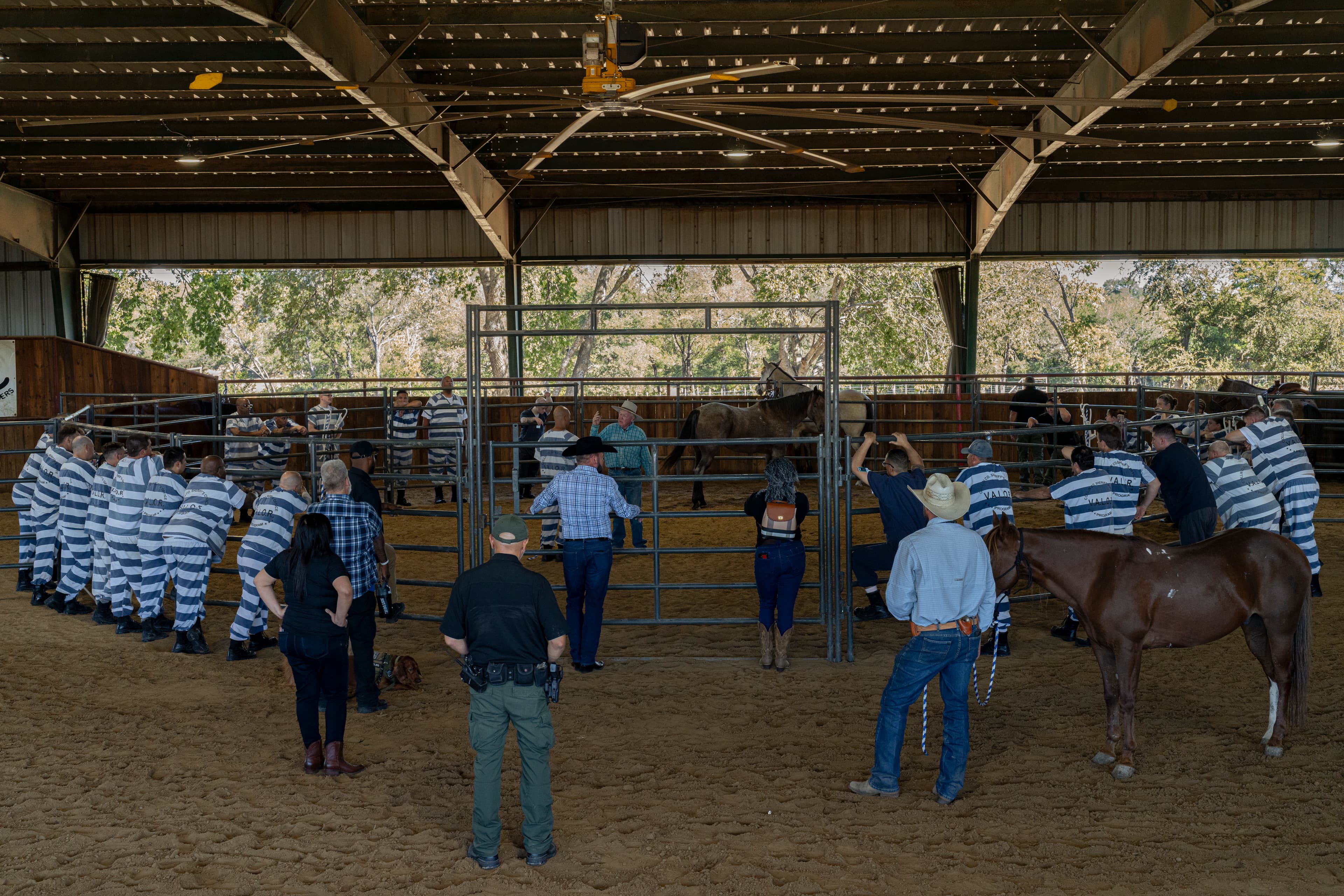
The world of documentary filmmaking continues to explore impactful stories, and the upcoming project 'Act of Service' shines a light on a unique rehabilitation method for incarcerated veterans. Directed by Ilie Mitaru, this film delves into the use of equine therapy within the confines of a Texas jail, revealing the transformative power of horses in rehabilitating those who have served the nation.
Quick Summary
'Act of Service' centers around a program that integrates equine therapy into the rehabilitation processes for veterans incarcerated in Texas. With Ilie Mitaru at the helm and Alex Lieberman producing, this documentary draws inspiration from Mitaru's award-winning reporting for the BBC and aims to spotlight the healing potential of horse training and companionship.
Story Setup or Current Context
Incarcerated veterans often face unique challenges, including mental health issues stemming from their military service. Traditional rehabilitation programs may not fully address these specific needs. 'Act of Service' seeks to change that narrative by showcasing a program that taps into the therapeutic bond between horses and humans. This documentary is not just about the rehabilitation of veterans; it also explores the profound relationship that develops between them and the horses, emphasizing empathy, trust, and emotional healing.
Main Characters or Key People
While detailed character sketches are not available, we know that the film will feature incarcerated veterans who participate in the equine therapy program. Additionally, director Ilie Mitaru brings experience and a unique perspective from his background in journalism, and producer Alex Lieberman, a Peabody Award-winner, brings credibility to the project.
Ending, Latest Episode, or Announcement Explained
Currently, specific plot details and potential conclusions of the documentary remain undisclosed as information is still emerging. However, viewers can anticipate a narrative that not only highlights struggles and triumphs but also aims to convey a broader message about rehabilitation, support, and the unique methodologies used in helping those who have faced both physical and emotional battles.
What Could Happen Next
As the production progresses, further insights into the veterans' journeys and the impact of equine therapy may emerge. There's potential for follow-up interviews or features with program facilitators and families of veterans to deepen the storytelling. The film could lead to discussions on improving rehabilitation programs across the country and encourage similar initiatives.
Why This Is Trending
'Act of Service' has garnered attention due to its poignant subject matter—mental health in veterans—and the innovative approach of using equine therapy. With rising national concern regarding mental health and the well-being of incarcerated individuals, the documentary is timely, highlighting a fresh perspective on rehabilitation strategies that others may consider.
Final Thoughts
This upcoming documentary promises to be a compelling exploration of strength, resilience, and healing. As the narrative unfolds, 'Act of Service' has the potential to not only inform but also inspire necessary conversations about addressing the mental health crises faced by veterans, especially in the context of incarceration.
Frequently Asked Questions
Q: What is the focus of the documentary 'Act of Service'?
A: The documentary focuses on a rehabilitation program using equine therapy for incarcerated veterans in Texas.
Q: Who is directing and producing the documentary?
A: Ilie Mitaru directs the film while Alex Lieberman is the producer.
Q: Is there a release date for the documentary?
A: Details regarding the release date have not yet been made public.
Q: What inspired this documentary?
A: It is inspired by Ilie Mitaru's award-winning BBC reporting about the equine therapy program.
Q: How does equine therapy help incarcerated veterans?
A: Equine therapy promotes healing by fostering emotional connections, trust, and empathy between the veterans and the horses, offering a unique path to rehabilitation.