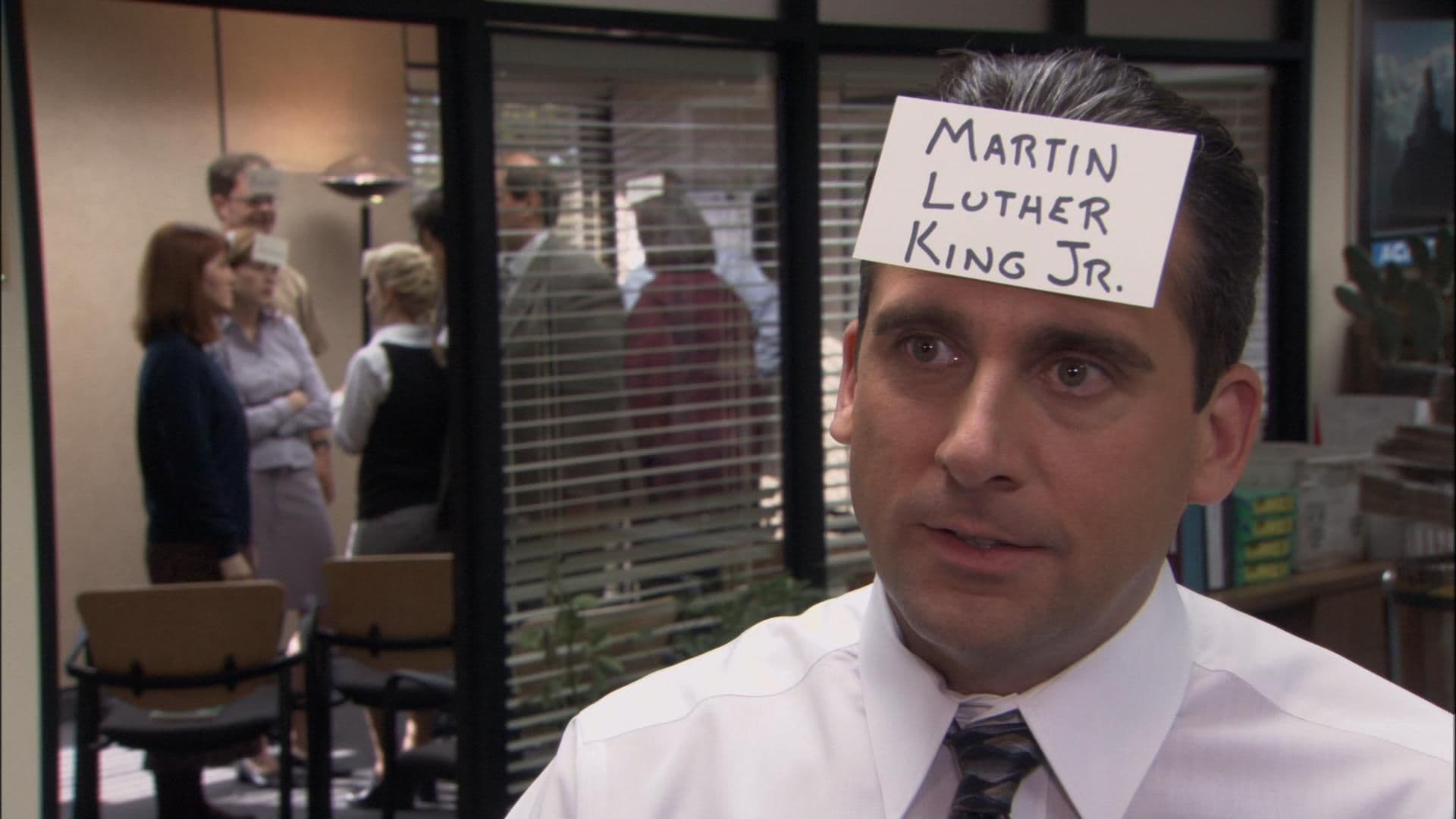
8 Sitcom Episodes That Have Aged Like Milk
Sitcoms have provided countless hours of laughter and joy over the years, often shining a light on relatable life experiences with humor and heart. However, not all episodes hold up over time. Some, once beloved, have become examples of humor that doesn’t sit well with modern audiences. This article explores 8 sitcom episodes that have aged like milk, revealing how they reflect outdated values and societal norms.
Quick Summary
This breakdown aims to highlight specific sitcom episodes that, while possibly hilarious in their time, now leave a sour taste due to problematic themes or portrayals. Nostalgia can only carry a show so far, and examining these instances allows viewers to better understand the evolution of sitcoms and societal expectations.
Story Setup
In the world of sitcoms, episodes often tackle contemporary issues but are sometimes plagued by dated humor or insensitivity. Shows like Friends, The Office, and How I Met Your Mother have been scrutinized for episodes that, while initially entertaining, now raise eyebrows in the context of today's cultural climate. This retrospective examination seeks to address not just what was controversial, but why such humor was overlooked at the time and what it says about societal progress.
Main Characters
Each show features a distinctive set of characters whose interactions drive the hilarity, yet these very dynamics are often where the aging issues arise. For instance, iconic characters like Ross Geller from Friends or Michael Scott from The Office are all intrinsically tied to comedic moments that, in retrospect, veer into problematic territory:
- Ross Geller often exemplifies moments rooted in jealousy and possessiveness that could be read as red flags today.
- Michael Scott is a well-meaning but often clueless boss whose ignorance sometimes translates into inappropriate humor.
- Characters such as Ted Mosby from How I Met Your Mother show how romantic pursuits can be portrayed in a light that now feels out of step with consent and modern relationship standards.
By analyzing these representations, viewers can see how the balance of humor and sensitivity has shifted over the years.
Ending or Latest Episode Explained
While these sitcoms ended their original runs with strong fanfare, the legacy of certain episodes has proven tricky. Fans may still enjoy binge-watching their favorite series, but cringe-worthy moments can distract from the humor that once made these episodes classics. For example, several plot points in the final seasons of shows like How I Met Your Mother have not aged well, casting a shadow over the show's otherwise beloved legacy.
The conclusion of series, often meant to tie up narratives with closure, can also inadvertently highlight shortcomings in how topics were handled. In the case of certain sitcoms, the complexities of relationships and societal norms were oversimplified, leading to an unsatisfactory resolution that feels dissonant against modern understandings of those themes.
What Could Happen Next
As audiences become increasingly aware of social issues and the implications of media portrayals, there's a growing demand for remakes, reboots, or spinoffs that handle topics with more sensitivity. Shows that are revisited might have a chance to rectify past insensitivities or shed light on perspectives that were previously ignored. This is evident in contemporary sitcoms that are being produced, which often seek more inclusive narratives while tapping into the humor that originally appealed to audiences.
There’s hope that nostalgic favorites could be revisited, allowing for a modern reinterpretation that centers on empathy, diversity, and culturally relevant humor. Such developments could showcase how far TV has come and continue to evolve in response to audience expectations.
Why This Is Trending
The increasing scrutiny of media and its impact on culture has created a space for discussions about the evolution of sitcoms. More viewers are becoming cognizant of how humor can both reflect and shape societal values. Consequently, the episodes that once gained admiration are now starkly contrasted with contemporary principles of inclusivity and acceptance. Social media platforms and podcasts have proliferated with discussions dissecting problematic sitcom moments, bringing these issues to the forefront.
It’s fascinating to see how audiences are grappling with nostalgia for their favorite shows while also recognizing where they fell short. As this dialogue grows, it further highlights the importance of comedy that not only entertains but also educates and uplifts.
Final Thoughts
The landscape of sitcoms has evolved dramatically, with humor that once delighted now facing a critical reevaluation. The 8 sitcom episodes that have aged like milk serve as a reminder of the need for growth and awareness in entertainment. As we enjoy the best of what these shows offer, it’s crucial to reflect on their shortcomings to foster a more inclusive and resonant comedic landscape moving forward. Nostalgia doesn't have to shield outdated humor; instead, it can help inspire a new generation of comedies that respect the diverse experiences of all viewers.
By continuing these discussions, viewers can gain insight into how sitcoms reflect the culture of their time, helping shape a more thoughtful engagement with media as we step into the future.

