8 Classic Movies We Need a Remake Of
The landscape of cinema is constantly evolving, and as new generations discover the power of storytelling, certain classic films have stood the test of time. However, many of these iconic works could benefit from a fresh interpretation or modernization. From beloved tales that shaped our youth to films that tackled crucial societal themes, the possibilities for remakes are vast and varied. In this article, we’ll explore eight classic movies that deserve to be reimagined for today’s audience.
Quick Summary
Here are the eight classic films that are often discussed when considering potential remakes:
- The Wizard of Oz
- Clue
- 12 Angry Men
- A Clockwork Orange
- West Side Story
- The Karate Kid
- Big Trouble in Little China
- The Graduate
Each of these films offers unique storytelling opportunities, relatable characters, and cultural relevance that could resonate with today’s viewers in profound ways.
Story Setup
The Wizard of Oz
One of the most notable classic films, The Wizard of Oz, has enchanted audiences since its release in 1939. Telling the story of Dorothy Gale's whimsical journey through the land of Oz, the film blends fantasy with deep themes of friendship and self-discovery. With advancements in technology and storytelling, a modern remake could utilize stunning visual effects to bring Oz to life as never before.
Clue
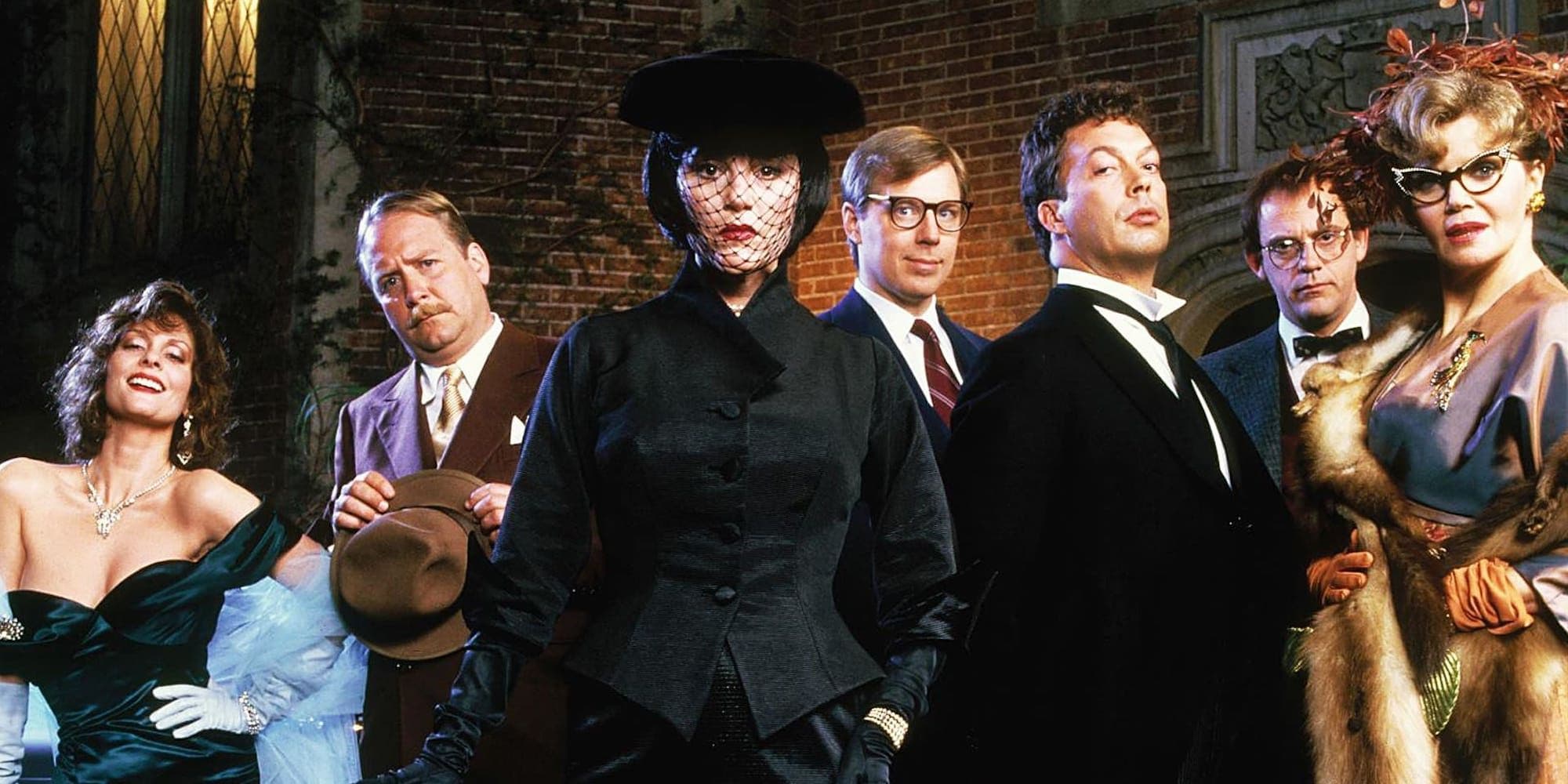
Based on the popular board game, Clue has been cherished for its mixture of humor, mystery, and clever dialogue since its debut in 1985. A remake could capitalize on today's fascination with true crime and interactive storytelling. Imagine a version where audiences are encouraged to solve the mystery alongside the characters—engaging them in a fresh and innovative way.
12 Angry Men
This courtroom drama delves into the intricacies of the justice system, showcasing twelve jurors deliberating the fate of a young defendant. Originally released in 1957, a remake could provide contemporary context regarding social justice, racial issues, and jury dynamics while maintaining the film's powerful dialogue and character development.
A Clockwork Orange
Stanley Kubrick's A Clockwork Orange is a unique exploration of themes like free will and societal control. As discussions surrounding these topics remain relevant, a new take could reflect modern-day concerns regarding technology and the influence of media on youth behavior, making it a thought-provoking piece for today's audience.
Main Characters
A remake of these classics would necessitate fresh interpretations of the main characters, often deeply resonating figures that defined their narratives.
In The Wizard of Oz, characters like the Scarecrow, Tin Man, and Cowardly Lion are enduring symbols of human nature, embodying courage, intelligence, and emotion. A reimagining could reveal expansions of their backstories, offering new dimensions to their personalities.
Clue’s motley crew of characters, each with their own motives and distinct personalities, provides ample opportunity for adventurous storytelling. Today’s audience may appreciate even deeper character development and plot twists that do justice to the original’s essence while adding complexity.
In 12 Angry Men, the jurors represent a cross-section of society, each with their perceptions colored by their backgrounds and experiences. Modern casting choices could emphasize diversity, allowing the film to tackle contemporary societal issues in a relevant manner.
Ending or Latest Episode Explained
Adapting these classics does not mean ignoring their original endings. Instead, creators could explore how those conclusions may resonate with today's viewers, or even provide alternative endings that spark conversation.
For instance, a remake of A Clockwork Orange could leave the audience with a more ambiguous conclusion, provoking thought about the ending's implications in modern contexts of societal control and personal freedom. Similarly, 12 Angry Men could explore various theoretical conclusions based on jurors’ different backgrounds, steering discussions on bias and justice in today’s world.
What Could Happen Next
The potential for these remakes goes beyond mere revitalization; they can ignite conversations and re-examine societal dynamics.
For instance, a fresh production of The Karate Kid could incorporate modern martial arts trends and contemporary issues such as bullying and self-acceptance. By maintaining some core themes of the original while introducing contemporary challenges, the story can remain relevant.
Moreover, existing properties like Big Trouble in Little China already have a cult following that could further flourish with a new interpretation that presents current cultural narratives and representation.
Why This Is Trending
The trend of remaking classic films is fueled by nostalgia and commercial viability. Studios recognize the built-in audience that beloved films possess, making remakes an attractive investment. Additionally, as film technology advances, storytellers have greater opportunities to deliver narratives in innovative ways that weren’t possible during the original’s release.
Furthermore, the renewed interest in legacy storytelling emphasizes the importance of cultural critique through film. Creating remakes allows contemporary filmmakers to reflect societal changes, making older narratives resonate with new audiences in meaningful ways.
Final Thoughts
While nostalgia plays a significant role in the popularity of classic movies, the desire for remakes stems from a collective longing to explore and understand the world anew. The films on this list each carry themes that are not only timeless but increasingly relevant, providing a fertile ground for creative reinterpretation.
As filmmakers undertake the challenge of reimagining these classics, fans of the original narratives hope to see stories that honor their roots while offering a contemporary lens. This balance of reverence and innovation could ultimately lead to a revitalization of storytelling that captures the hearts of both new viewers and dedicated fans alike.


