8 Biggest Soft Sci-Fi Masterpieces of All Time
Soft science fiction, often abbreviated as soft sci-fi, presents a unique lens through which we can examine humanity, society, and existential themes, all while intertwining technology and innovation. Unlike hard sci-fi, which tends to focus on scientific accuracy and technical details, soft sci-fi emphasizes character development, social structure, and the philosophical implications of technological advancements. This article delves into eight of the most significant soft sci-fi masterpieces, exploring their impact on cinema and culture.
Quick Summary
This article highlights eight key soft sci-fi films that have made a significant impact in the genre. These films not only entertain but also provoke thought about humanity and our place in the universe. From classics like Metropolis to modern gems like Arrival, each film offers a unique exploration of soft sci-fi elements.
Story Setup
-
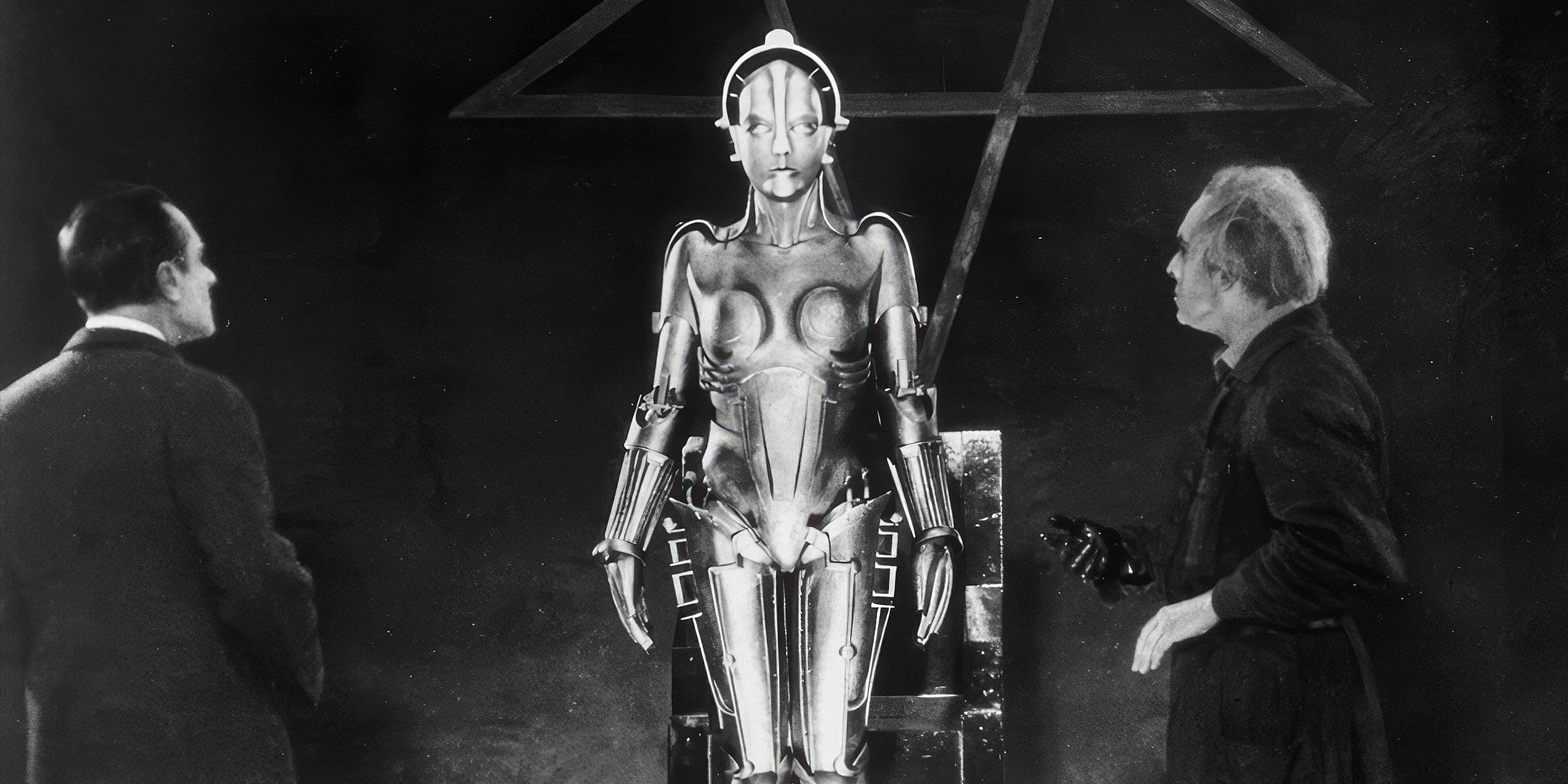
Metropolis (1927): Directed by Fritz Lang, Metropolis is a ground-breaking film that explores class struggle in a futuristic urban dystopia. The story is set in a sprawling city where the wealthy elite live in luxury above ground, while the working class toils tirelessly beneath.
-
Blade Runner (1982): Ridley Scott's Blade Runner presents a melancholic vision of the future where synthetic beings, known as replicants, co-exist with humans. The film centers around Rick Deckard, a blade runner tasked with hunting down rogue replicants, raising questions about identity, consciousness, and what it means to be human.
-
The Day the Earth Stood Still (1951): This classic film sees an alien visitor, Klaatu, arrive on Earth with a powerful message about peace, warning humanity about the consequences of war and aggression. The film's themes of diplomacy and alien ethics resonate strongly in times of global conflict.
-
2001: A Space Odyssey (1968): Stanley Kubrick’s masterpiece takes viewers on a metaphysical journey from the dawn of humanity to the exploration of outer space. The film engages with themes of evolution and artificial intelligence, culminating in the iconic confrontation with the sentient computer HAL 9000.
-
Gattaca (1997): Gattaca explores a world where genetic engineering determines human potential, focusing on Vincent, who is conceived naturally and struggles against a system that favors genetically elite individuals. The film dives into ethical dilemmas surrounding genetic manipulation and personal identity.
-
Arrival (2016): Directed by Denis Villeneuve, Arrival beautifully blends science fiction with emotional depth. The story follows a linguist tasked with communicating with alien visitors. The film not only highlights the challenges of communication but also presents profound themes of time and memory.
-
The Handmaid’s Tale (1990): Based on Margaret Atwood’s dystopian novel, this adaptation presents a future where a totalitarian regime controls reproduction. It critically examines gender roles and theocratic control, making it highly relevant in today’s socio-political landscape.
-
Her (2013): Spike Jonze’s Her tells the story of a man who falls in love with an advanced AI operating system. This film reflects contemporary discussions about relationships in the digital age, showcasing both the beauty and complexity of human connection in an increasingly technological world.
Main Characters
- Metropolis: Joh Fredersen (director of the city), Maria (the working-class icon), and the Machine-Man (a robot created to resemble Maria).
- Blade Runner: Rick Deckard, Rachael (the replicant), and Roy Batty (the rogue replicant).
- The Day the Earth Stood Still: Klaatu (the alien visitor) and Helen Benson (a woman he befriends on Earth).
- 2001: A Space Odyssey: Dr. David Bowman, HAL 9000 (the computer), and Frank Poole (Bowman’s colleague).
- Gattaca: Vincent Freeman, Anton Freeman (his genetically engineered brother), and Irene Cassini (a love interest).
- Arrival: Louise Banks (linguist), Ian Donnelly (physicist), and the alien beings known as heptapods.
- The Handmaid’s Tale: Offred (the main character), Serena Joy (the Commander’s wife), and the Commander.
- Her: Theodore Twombly and Samantha (the AI).
Ending or Latest Episode Explained
Each film within soft sci-fi typically culminates in a moment of introspection or revelation, reflecting the genre's focus on philosophical and societal issues. For instance, in Arrival, Louise discovers that her understanding of time and communication allows her to embrace the joy and pain of her future, despite knowing the outcomes. In Blade Runner, the ambiguity surrounding Deckard's own identity questions the moral implications of creation. Each ending serves as an invitation for audiences to reflect deeper on the human experience.
What Could Happen Next
The lasting impact of these masterpieces continues to influence filmmakers and inspire future projects in both soft and hard sci-fi realms. As technology evolves, the exploration of AI, genetics, and societal structure through a soft sci-fi lens will undoubtedly grow more complex and nuanced. Future films may explore underrepresented voices and perspectives, expanding the boundaries of what we understand as inspiration or cautionary tales in our current world.
Why This Is Trending
The resurgence of interest in soft sci-fi can be attributed to ongoing conversations about technology's role in society, ecological challenges, and a search for new narratives in uncertain times. With films like Arrival and Her gaining critical acclaim, audiences are appreciating the depth and complexity that soft sci-fi films can offer, forging a bridge between entertainment and intellectual engagement.
Final Thoughts
Soft sci-fi provides more than just escapism; it acts as a mirror reflecting our societal norms, fears, and aspirations. The eight films detailed here showcase the tremendous potential of the genre to explore profound themes and challenge perceptions of reality. By voicing characters’ journeys through complex worlds, they resonate with audiences across generations, setting the standard for what cinema can achieve.
Whether you're a lifelong fan of the genre or new to the world of soft sci-fi, these masterpieces are essential viewing that promise to provoke thought and evoke emotion, encouraging viewers to ponder not only what it means to exist but how technology shapes our understanding of life itself.