8 Best R-Rated TV Shows of All Time, Ranked
In the realm of television, R-rated shows have garnered a reputation for their bold storytelling, mature themes, and complex characters. They engage viewers in a way that often goes beyond conventional norms, enabling the exploration of darker and more intricate plots. From political intrigue to gritty crime dramas and epic fantasy sagas, these shows cater to adult audiences seeking more than just light-hearted entertainment. Based on available public metadata, we present the eight best R-rated TV shows of all time, providing a comprehensive breakdown of their stories, characters, and what makes them stand out.
Quick Summary
This list highlights eight standout R-rated TV series that have not only won critical acclaim but also amassed a loyal fanbase. With gripping narratives and rich character development, these series prove to be benchmarks in the television landscape. We will discuss popular series like Game of Thrones, Breaking Bad, and The Sopranos, among others, and examine their impact on television history.
Story Setup
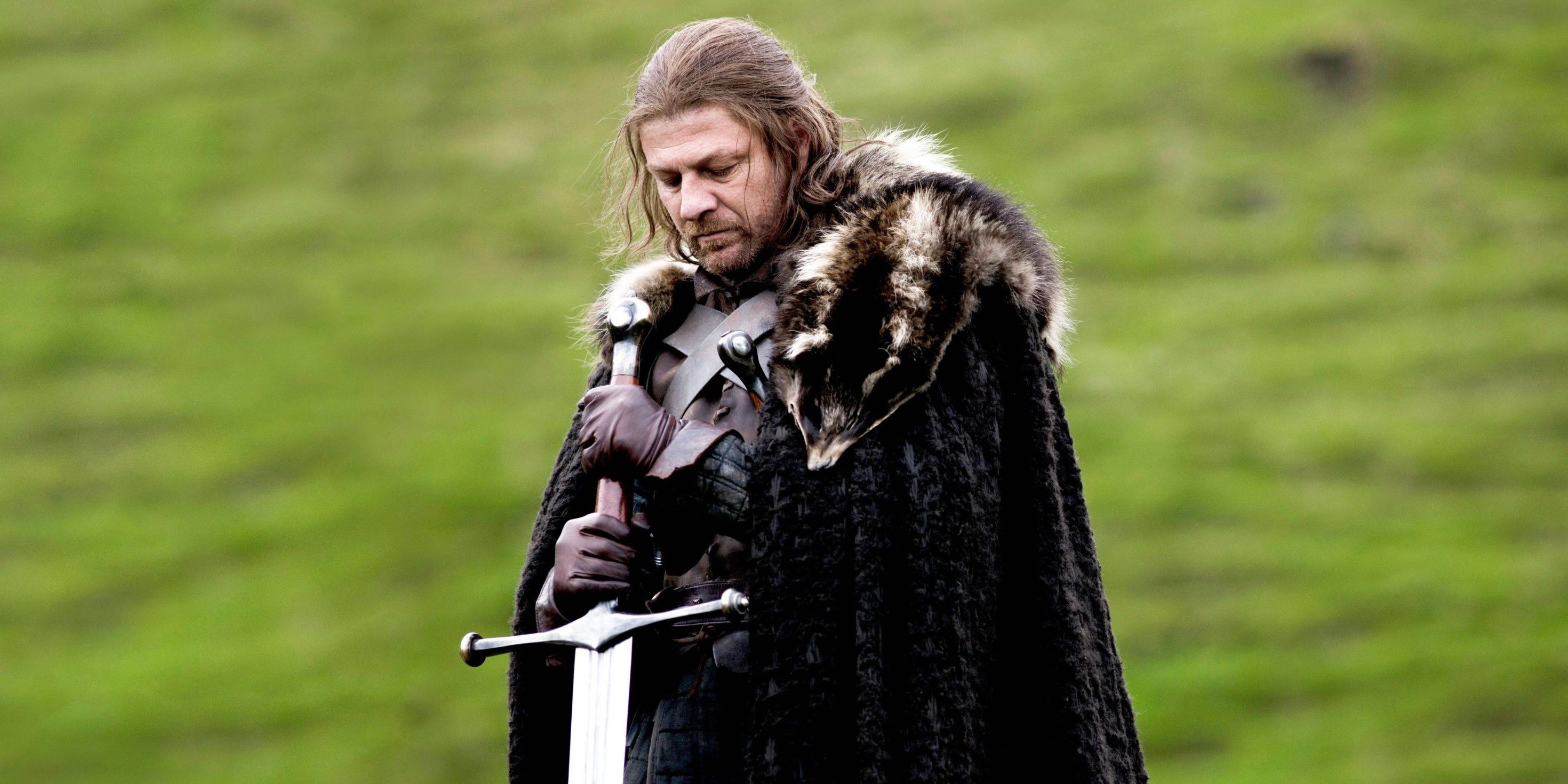
R-rated TV shows often delve into themes and genres that demand an emotional and complex narrative approach. Game of Thrones, for instance, brilliantly adapts George R.R. Martin's series of epic fantasy novels, presenting a world of dragons, political maneuvering, and moral ambiguity. It transcends traditional fantasy by exploring the human condition through various lenses—loyalty, betrayal, and the quest for power.
Similarly, Breaking Bad tells the transformation of Walter White, a high school chemistry teacher turned methamphetamine manufacturer, echoing the depths of human desperation and the consequences of choices made in dire circumstances. Its storytelling is laced with dark humor, making it both thrilling and reflective of societal issues.
Each series on our list carves out its niche, from the mafia drama of The Sopranos—which intricately weaves themes of family, loyalty, and existential dread—to the anarchic chaos of The Boys, which critiques the superhero genre while delving into themes of corruption and celebrity.
Main Characters
The characters in R-rated TV shows are often multi-dimensional, showcasing the complexities of human nature. In Game of Thrones, we meet characters like Tyrion Lannister and Arya Stark, who navigate treacherous political landscapes while grappling with personal growth.
In Breaking Bad, the character of Walter White, played by Bryan Cranston, epitomizes this complexity. His descent from a misunderstood husband and father to a ruthless drug kingpin captivates audiences, forcing them to confront the grey areas of morality. Jesse Pinkman, portrayed by Aaron Paul, adds another layer with his struggle for redemption amidst chaos.
The Sopranos showcases Tony Soprano (James Gandolfini), a mob boss attempting to balance the demands of his crime syndicate with personal issues, illustrating the profound impact of his dual life.
Each character in these series is crafted with nuances that reflect real-life struggles, making them relatable to viewers. Their journeys often provoke deep philosophical questions and moral quandaries, which resonate long after the credits roll.
Ending or Latest Episode Explained
As the endings of these iconic series are the culmination of intricate story arcs, they warrant further exploration. Game of Thrones, despite its polarizing conclusion, remains landmark television—bringing closure and controversy to its sprawling plotlines. The series finale forces viewers to grapple with issues of loyalty, sacrifice, and the harsh realities of power.
Breaking Bad concludes with a poignant, yet action-packed finale that wraps up Walter White's journey in a way that feels both inevitable and tragic. It serves as a haunting reminder of the consequences of one's choices.
Likewise, The Sopranos’ enigmatic ending has sparked countless debates, leaving audiences questioning the fate of Tony Soprano. This ambiguity became a hallmark of its narrative style, encouraging viewers to reflect on the nature of reality in storytelling.
What Could Happen Next
For shows with such successful legacies, the question of sequels, reboots, or spin-offs always looms. Recently, projects expanding on established universes have become increasingly popular. HBO, for instance, is exploring spin-offs in the Game of Thrones universe, potentially introducing new characters and plots that could explore different historical events in Westeros.
Breaking Bad has already seen a sequel movie in El Camino, focusing on Jesse Pinkman’s story post-series, which indicates that there may be more narratives to explore in this universe.
As for The Sopranos, discussions about prequels or films continue to emerge, showing that audiences are still hungry for more content set within this complex mob world.
Why This Is Trending
The trend towards mature-themed television can be credited to changing social attitudes and the growing acceptance of darker narratives in popular culture. Today’s audience seeks content that challenges conventional storytelling, diving into realism, moral ambiguity, and multifaceted characters. As platforms expand and diversify, so too does the appetite for R-rated content, creating a hotbed for new and exciting storytelling.
Series like The Boys push the boundary with satirical takes on power and morality, mirroring contemporary societal issues, while contributing to the conversation around gender, power dynamics, and celebrity culture. This evolution keeps R-rated TV vibrant and relevant in modern discussions.
Final Thoughts
R-rated TV shows have certainly carved out a significant space in the entertainment landscape, offering narratives that explore the darker corners of humanity while engaging with themes that resonate deeply. The eight series examined here—ranging from Game of Thrones to Breaking Bad and The Sopranos—illustrate the power of storytelling in provoking thought and discussion.
Whether it's through intense character arcs or gripping plotlines, these shows remind us of the potential of television as a medium to reflect and challenge societal norms. As audiences develop a deeper appreciation for layered narratives, the future of R-rated television appears bright and full of potential.