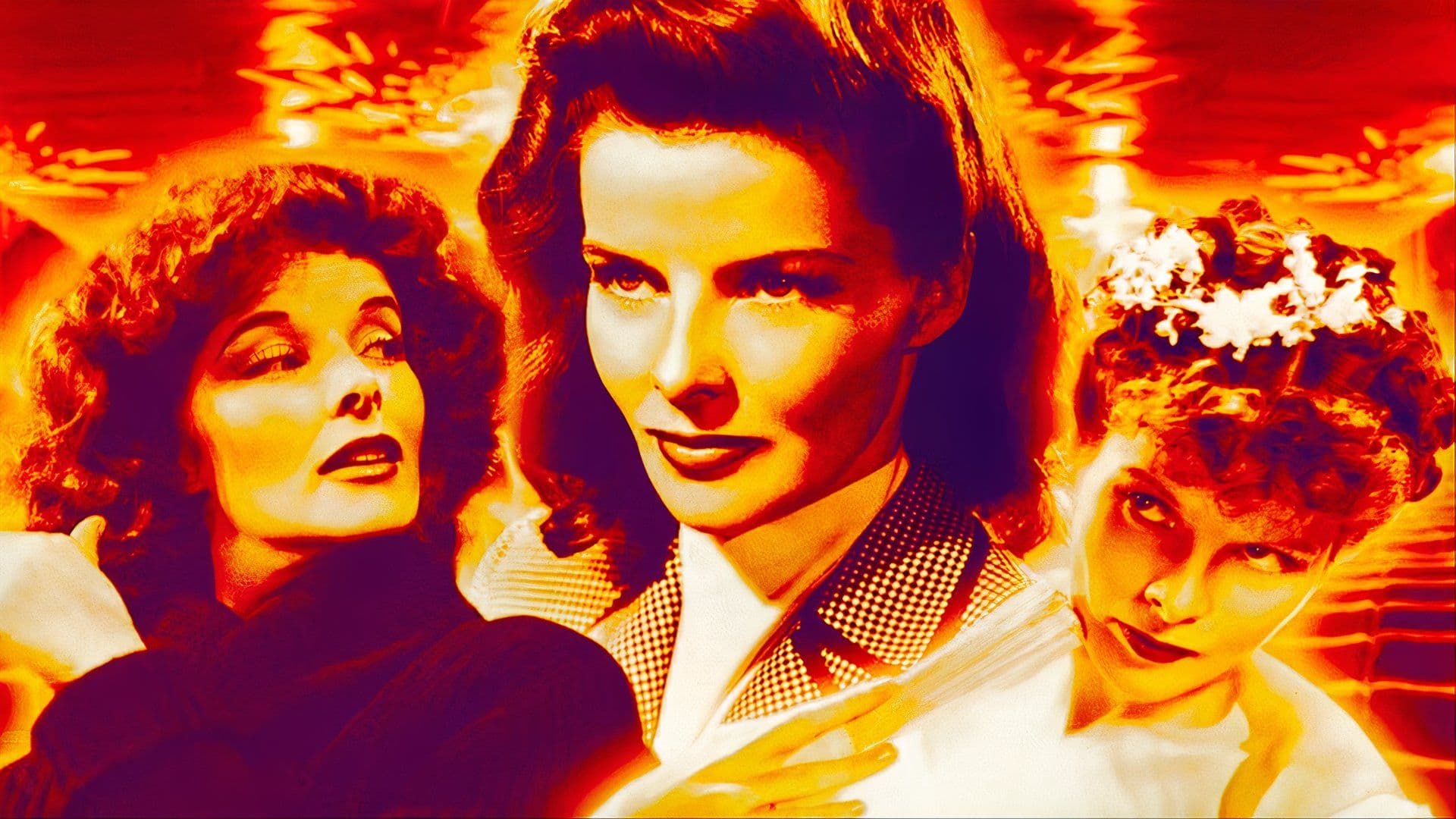
7 Katharine Hepburn Performances That Are Considered Masterpieces
Katharine Hepburn is not just a name in Hollywood; she’s a symbol of brilliance, depth, and resilience in cinematic storytelling. Her iconic roles have set a high standard for acting, making her one of the most celebrated actresses in the history of film. Hepburn's extraordinary talent coupled with her remarkable ability to embody a myriad of characters has resulted in several unforgettable performances that are often heralded as masterpieces. In this article, we will break down seven of her most significant roles that continue to influence aspiring actors and entertain audiences worldwide.
Quick Summary
Katharine Hepburn's career spanned over six decades during which she received four Academy Awards for Best Actress, more than any other performer in history. This article highlights seven of her standout performances, delving into the characteristics that made each role iconic. From her fierce independence to her unique portrayals of complex women, Hepburn's work reshaped the representation of female characters in cinema.
Story Setup
Hepburn rose to fame in the 1930s and remained a dominant figure in Hollywood until her later years. Her performances were often characterized by a strong-willed spirit and a depth of understanding that resonated with audiences. Whether she portrayed a lovable misfit, a tragic heroine, or a spirited rebel, Hepburn brought a level of authenticity and grace to every role. Her films often reflected societal changes and human emotions, allowing her characters to embody both strength and vulnerability.
1. The Philadelphia Story (1940)
In this romantic comedy classic, Hepburn plays Tracy Lord, a wealthy socialite navigating her complex relationships. Her portrayal of Tracy showcases Hepburn's ability to balance humor and poignancy, making her both relatable and aspirational. The film's sharp dialogue and Hepburn's impeccable timing solidify this role as one of her finest.
2. Guess Who's Coming to Dinner (1967)
Hepburn plays Christina Drayton, a liberal woman confronting her own prejudices when her daughter brings home an African-American fiancé. This groundbreaking film tackled interracial marriage, and Hepburn’s performance is a masterclass in emotional honesty and growth, confronting societal norms with both grace and determination.
3. Morning Glory (1933)
In her breakthrough role, Hepburn plays Eva Lovelace, a young aspiring actress chasing her dreams in New York City. This performance encapsulates youthful ambition and the struggle against the odds, showcasing Hepburn’s capacity to portray fierce determination melded with vulnerability—qualities that would become hallmarks of her career.
4. On Golden Pond (1981)
In her later years, Hepburn proved she still had the ability to deliver powerful performances. As Ethel Thayer, she embodies the loving yet realistic nature of aging relationships. This role highlights not only Hepburn’s refined acting skills but also her chemistry with co-star Henry Fonda, making it both touching and relatable.
5. Bringing Up Baby (1938)
In this screwball comedy, Hepburn shines as Susan Vance, a free-spirited woman who entangles a paleontologist played by Cary Grant. This role illustrated Hepburn's comedic timing and ability to command the screen, cementing her status as a versatile actress able to transition seamlessly between drama and comedy.
6. The African Queen (1951)
Hepburn plays Rose Sayer, a mission worker stranded in Africa during WWI. This performance blends grit with tenderness as she finds herself in a perilous situation with a rough-around-the-edges boat captain, played by Humphrey Bogart. Hepburn's transformation from a prim, proper woman to a character embracing life's unpredictability showcases her remarkable range as an actress.
7. A Bill of Divorcement (1932)
In her first major role, Hepburn portrays Margaret, a woman dealing with her father's insanity and the complexities of her own love life. This film hinted at Hepburn's ability to explore deep emotional themes, setting the stage for her future successes in more psychologically demanding roles.
Main Characters
Each of the films mentioned above showcases Hepburn alongside a stellar supporting cast, including notable actors like Cary Grant, Henry Fonda, and Humphrey Bogart. These partnership dynamics enrich the narratives, offering Hepburn a platform to display her versatility and emotional range
Ending or Latest Episode Explained
In many of Hepburn’s films, the endings serve as reflections on societal expectations and personal growth. For instance, in Guess Who's Coming to Dinner, the conclusion emphasizes acceptance and love transcending societal barriers, while On Golden Pond poignantly highlights the realities of aging and the importance of family connections. Hepburn’s mastery of conveying profound messages through her performances has left an indelible mark on the film industry.
What Could Happen Next
Katharine Hepburn may have passed, but her legacy continues to inspire new generations of filmmakers and actors. As audiences explore classic films, the lessons learned through her performances resonate—showcasing the importance of individuality, love, and resilience. One can only speculate how her influence will continue to shape future cinematic narratives.
Why This Is Trending
As film enthusiasts and newcomers alike revisit classic movies, Hepburn's performances are gaining renewed appreciation. The current trend toward celebrating strong female characters makes her timeless roles more relevant than ever. Online discussions, tributes, and retrospectives further elevate her status, ensuring that discussions surrounding her artistry remain prominent.
Final Thoughts
Katharine Hepburn’s performances have stood the test of time, making her a quintessential figure in Hollywood history. These seven roles depict not just her incredible talent, but also the evolution of female representation in film. By breaking conventional molds and embracing the complexities of humanity, Hepburn’s cinematic legacy serves as a source of empowerment and inspiration for new generations. Her artistry continues to remind us of the depth and range that can be achieved through the transformative power of performance.