5 Most Perfect Space Movies of the Last 50 Years, Ranked
In the realm of cinema, few genres have the capacity to capture the imagination like science fiction, especially when it comes to tales set in the vast, mysterious expanse of space. Over the last 50 years, a variety of filmmakers have attempted to push the boundaries of storytelling and visual effects, delivering films that range from spectacular spectacles to deeply thought-provoking narratives. This article ranks five of the most perfect space movies from the last half-century, exploring their impact on both pop culture and the science fiction genre.
Quick Summary
- 2001: A Space Odyssey (1968)
- Interstellar (2014)
- Gravity (2013)
- The Martian (2015)
- Arrival (2016)
These films not only achieved critical acclaim but also captured the imaginations of viewers, each offering a unique blend of story, visuals, and emotional depth.
Story Setup
1. 2001: A Space Odyssey
Stanley Kubrick’s masterpiece is often regarded as the gold standard of science fiction. With its groundbreaking special effects and philosophical underpinnings, the film begins with humanity's early days, showcasing our evolution alongside a mysterious monolith. It then takes viewers on an interstellar journey that raises questions about existence, consciousness, and the future of humanity.
2. Interstellar
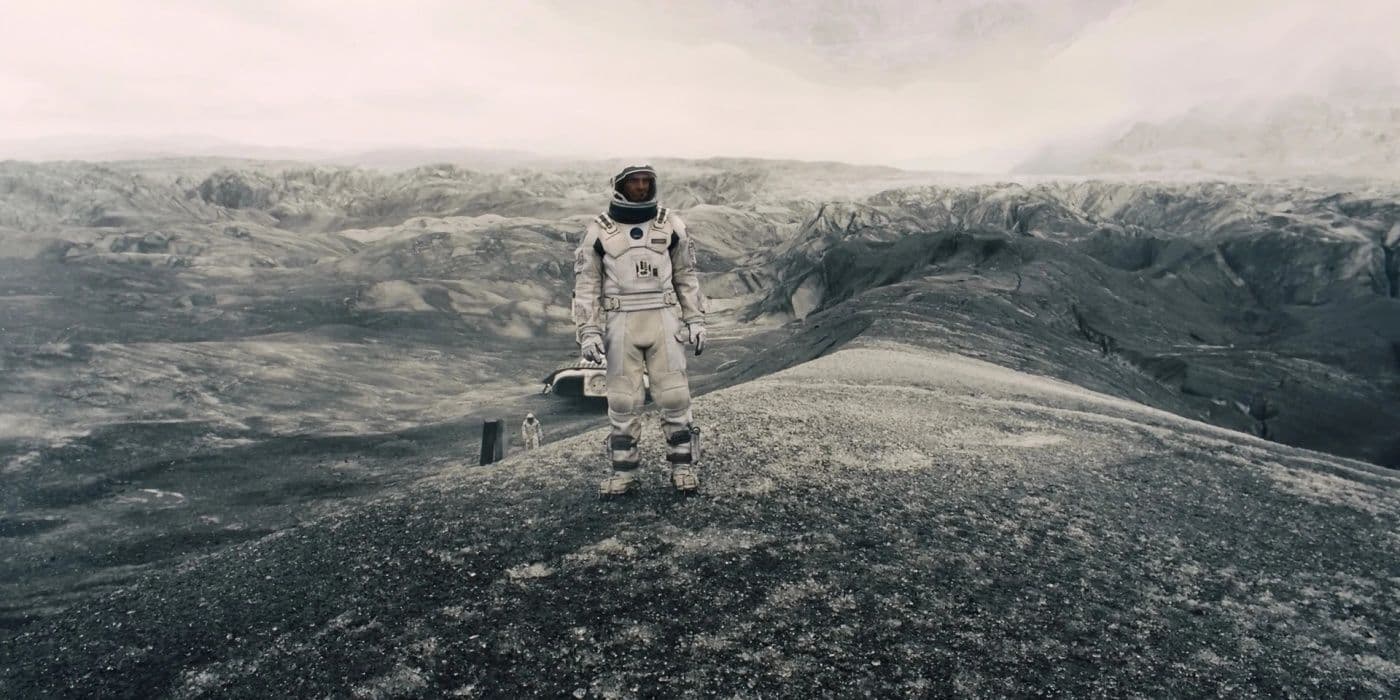
Christopher Nolan's epic explores themes of love, sacrifice, and survival in the cosmos. Set in a dystopian future where Earth is dying, a group of astronauts travel through a wormhole in search of a new home for humanity. The film intricately balances scientific theories with emotional storytelling, featuring time dilation and the idea of multidimensional beings.
3. Gravity
Alfonso Cuarón’s visually stunning film depicts the harrowing experience of an astronaut stranded in space after debris destroys her shuttle. With minimal dialogue, the film focuses on the isolation and fear of a lone figure navigating the infinity of space, all while showcasing Cuarón's masterful direction and innovative cinematography.
4. The Martian
Based on Andy Weir's novel, Ridley Scott's film is a tale of survival on Mars. After being presumed dead, astronaut Mark Watney must use his ingenuity to survive until rescue. It combines science, humor, and human resilience, providing a hopeful take on the challenges of space exploration.
5. Arrival
Denis Villeneuve's film delves into the complexities of language, time, and human connection when aliens arrive on Earth. The narrative unfolds through the perspective of a linguist tasked with communicating with the extraterrestrial visitors, leading to profound revelations about time and love.
Main Characters
Each of these films features characters that resonate with audiences:
- 2001: A Space Odyssey features HAL 9000, an artificial intelligence whose chilling turn makes viewers question the nature of sentience.
- In Interstellar, Cooper, played by Matthew McConaughey, embodies the struggle between personal sacrifice and collective humanity, showcasing a powerful paternal bond.
- Sandra Bullock's character in Gravity personifies human vulnerability against the vastness of space.
- Matt Damon's Mark Watney in The Martian is a humorous and resourceful protagonist who embodies human determination.
- Finally, Amy Adams' linguist in Arrival serves as the emotional core of the story, guiding viewers through complex philosophical terrains.
Ending or Latest Episode Explained
While each of these films presents a different ending, they all evoke strong emotional resonances:
- 2001: A Space Odyssey concludes with an enigmatic transformation, leaving viewers questioning the nature of evolution and existence.
- Interstellar offers a bittersweet resolution, emphasizing hope and connection across time and space.
- The intense solitude of Gravity culminates in a triumphant return to Earth, representing the triumph of human spirit over adversity.
- The Martian ends on a lighter note, showcasing the resilience of humanity and the indomitable will to survive.
- In Arrival, the non-linear narrative resolves in a profound acceptance of love and loss, making viewers ponder the choices we make.
What Could Happen Next
The exploration of space in cinema continues to evolve, with upcoming films likely to address contemporary issues such as climate change, technology, and the ethics of space exploration. With advances in CGI and storytelling techniques, we might expect a new wave of films that push the boundaries of creativity and imagination even further. There’s much potential for the genre to tackle real-world challenges through the lens of science fiction, intersecting the technical with the emotional.
Why This Is Trending
The resurgence of interest in space-themed films can be attributed to both advancements in technology and global happenings. As space exploration becomes more prominent in public discourse—driven by agencies like NASA and private entities such as SpaceX—audiences are drawn to narratives that reflect our collective curiosity about the cosmos. Additionally, climate change and existential fears resonate more than ever, making stories of survival and exploration poignant and timely.
Final Thoughts
The films ranked as the most perfect space movies from the last 50 years showcase the diversity and depth of storytelling in the sci-fi genre. Each film not only entertains but also poses larger philosophical questions about humanity, existence, and our place in the universe. Whether through the lens of horror, humor, or heart-wrenching emotion, these narratives remind us of the infinite possibilities that lie within the unknown reaches of space, securing their place as timeless classics in cinema.
With this curated selection, space movies continue to inspire awe and contemplation, inviting audiences to consider the profound effects of our choices as we look to the stars.