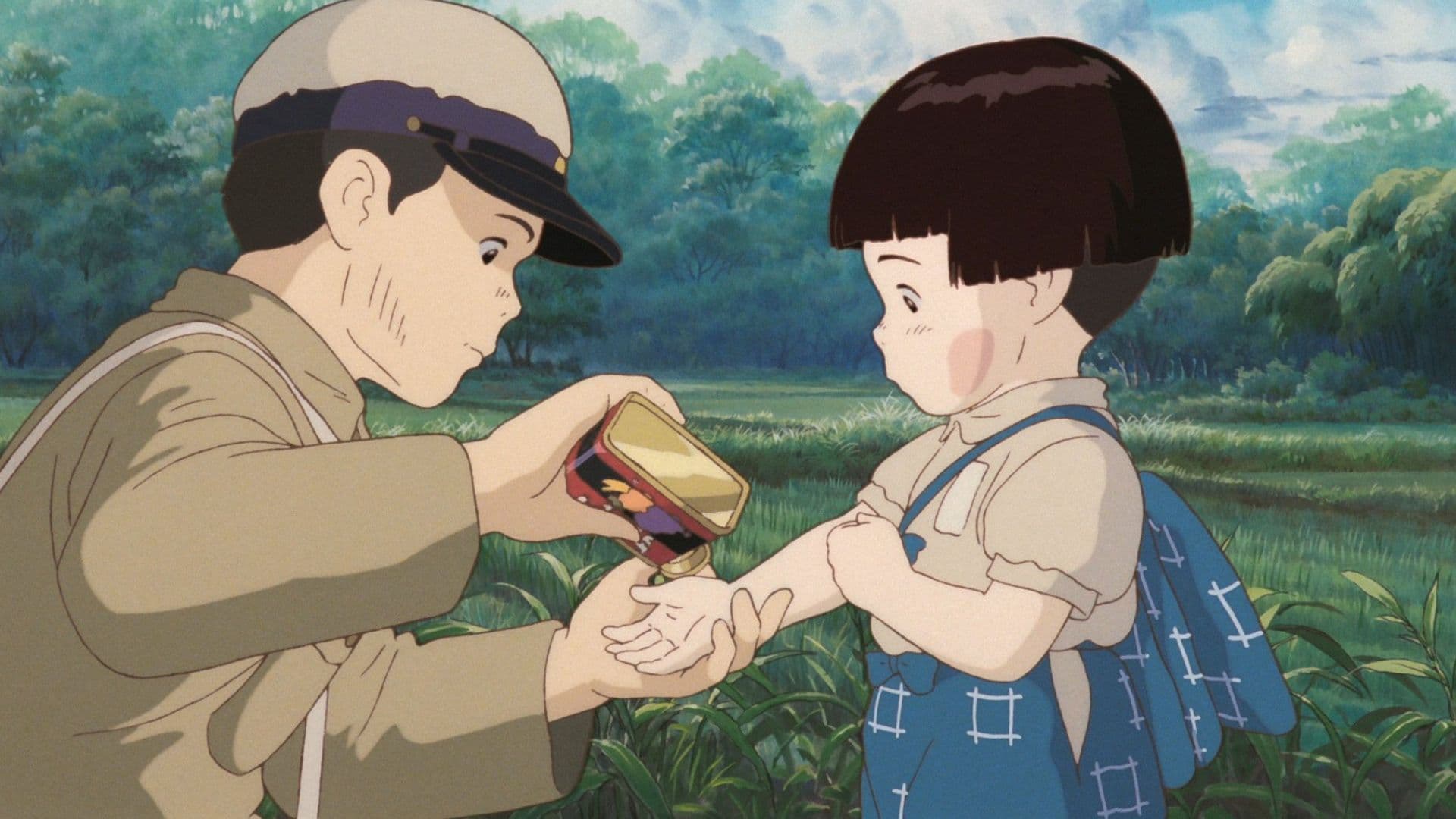
5 Darkest Anime Ever Made
Anime is often lauded for its vibrant art, engaging characters, and intricate storytelling. However, the medium is equally capable of delving into darker themes that challenge viewers and provoke intense emotions. In this breakdown, we explore five of the darkest anime series ever made, examining their core narratives, themes, and the reasons behind their popularity within the anime community.
Quick Summary
This article highlights five anime known for their disturbing stories, exploring themes such as death, morality, and the human psyche. These shows push the boundaries of storytelling, leaving viewers questioning the nature of good and evil. Each series is unique in its approach to darkness, presenting its narrative in a way that can resonate deeply—or leave audiences unsettled.
Story Setup
-
Akame ga Kill!
Set in a corrupt empire where assassins strive to overthrow the tyrannical regime, this anime explores dark themes of betrayal and sacrifice. The story follows Tatsumi, a naive young man who finds himself entangled with the Night Raid—a group of skilled assassins. As he immerses himself in this deadly world, he learns the brutal realities of fighting against injustice, leading to a soul-crushing conclusion. -
Death Note
This iconic series revolves around a high school student named Light Yagami, who discovers a mysterious notebook that allows him to kill anyone by writing their name in it. As he adopts the persona of Kira to rid the world of criminals, he enters into a psychological cat-and-mouse game with the brilliant detective L. The moral implications of his actions and the ensuing chaos highlight the thin line between justice and tyranny. -
Elfen Lied
Known for its extreme violence and emotional depth, Elfen Lied follows the plight of Diclonii—mutant beings with deadly horns and telekinetic abilities. The tragic backstory of its main character, Lucy, who suffers horrific abuse, serves as the foundation for the series' exploration of identity and the impact of violence on innocence. As the narrative unfolds, viewers witness a ballet of tragedy and loss that lingers long after the credits roll. -
Another
This horror mystery centers around a cursed class that grapples with a series of gruesome deaths. Koichi Sakakibara, the protagonist, transfers to a new school only to uncover the haunting secrets of his classmates. With each episode revealing more about the curse, the tension builds as viewers anticipate who will be the next victim. The series excels in creating an atmosphere of dread, making it a staple for fans of horror anime. -
Made in Abyss
At first glance, this anime seems deceptively cute, but it quickly reveals its dark side. Following a young girl, Riko, and her robotic friend Reg, the narrative dives into the Abyss—a bottomless pit filled with ancient relics and mysterious creatures. As they descend deeper, they encounter heart-wrenching challenges that test their spirits and friendships. The juxtaposition between the art style and deeply unsettling content is a key element that has captivated and horrified viewers.
Main Characters
The characters in these series are intricately crafted, often navigating moral ambiguity and personal trauma:
- Tatsumi from Akame ga Kill! grapples with the consequences of fighting for justice, often facing moral dilemmas that challenge his beliefs.
- Light Yagami, the antihero of Death Note, transforms from a promising student into a megalomaniacal figure, showcasing the seductive nature of power.
- Lucy from Elfen Lied embodies the theme of duality, oscillating between innocence and brutality, making her one of anime's most complex characters.
- Koichi Sakakibara is thrust into a horrifying reality in Another, where his curiosity leads him to uncover dark secrets about friendship and betrayal.
- Riko represents hope in Made in Abyss, but her journey soon intertwines with despair as the depths of the Abyss reveal unimaginable horrors.
Ending or Latest Episode Explained
Based on available public metadata, specific details about the endings of each series vary, but they often carry a weight of finality that reinforces their dark themes:
- Akame ga Kill! concludes with a devastating impact, showcasing the harsh realities of rebellion and its price.
- In Death Note, the climax culminates in a morally complex and ambiguous ending, leaving viewers divided on who truly emerged victorious.
- The finale of Elfen Lied delivers emotional resolution while retaining a somber tone, reminding audiences of the lasting effects of trauma.
- Another finishes with a shocking twist, reflecting on the inevitability of fate within horror.
- Made in Abyss leaves viewers on a cliffhanger, raising questions about survival and morality in the face of overwhelming odds.
What Could Happen Next
As these series each evolve through their narrative arcs, speculation abounds regarding sequels, spin-offs, and adaptations. Fans are eagerly discussing possible new content or adaptations that might further explore character backgrounds or extend the narratives. Considering the popularity of these titles, creators have the opportunity to delve deeper into the dark thematic elements that initially captivated audiences, potentially introducing new challenges or characters.
Why This Is Trending
The conversation surrounding these dark anime series has surged due to a combination of factors:
- Increasing discussions on mental health and societal issues, as these shows often tackle profound themes related to human psyche.
- The rise of psychological thrillers and horror genres has attracted new fans eager to explore the more sinister side of storytelling.
- Online communities and social media platforms have reignited interest in these classics, allowing fans to share their interpretations and emotional reactions to complex narratives.
Final Thoughts
The allure of dark anime lies in its ability to transport viewers into unsettling worlds that reflect real-life struggles and moral dilemmas. As creators continue to push the boundaries of storytelling in this genre, fans can anticipate more thought-provoking narratives that challenge perceptions of good and evil. With the rise of online discussions and the rediscovery of classic titles, the trend of dark anime appears poised to continue influencing the landscape of anime storytelling in the future.


