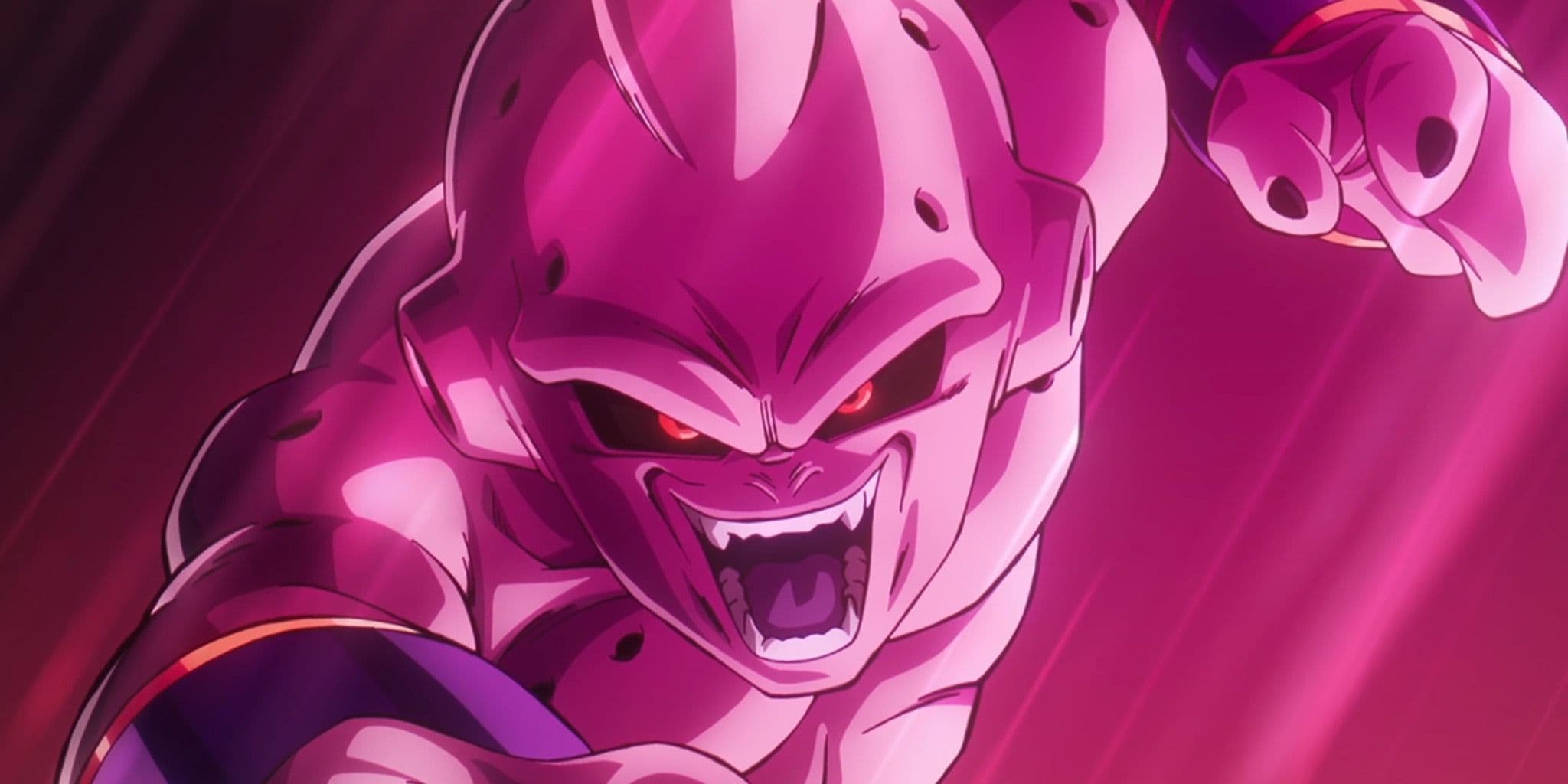
10 Strongest Anime Villains Who Wanted to Destroy the World
Anime has long been celebrated for its complex characters and imaginative worlds. Among the most intriguing figures in anime are the formidable villains, particularly those whose primary goal is world destruction. These antagonists not only challenge the protagonists physically but also philosophically, posing questions about power, sacrifice, and the essence of humanity. In this breakdown, we’ll explore the ten most powerful anime villains with apocalyptic aspirations, diving into what makes them so compelling and why fans are buzzing about their legacies.
Quick Summary
- Powerful Villains: Focus on characters capable of causing global devastation.
- Philosophical Debates: Many of these villains provoke thoughts on morality and humanity's fragility.
- Fan Discussions: These villains have become cultural icons, prompting extensive discussions within the anime community.
Story Setup
The desire to destroy the world is not uncommon among anime villains; often, it stems from deep-seated traumas, ideologies, or misinterpretations of the human condition. This ambition is typically framed within larger narratives exploring themes such as vengeance, justice, and existential despair. Here are ten villains who took a step beyond mere dominance and sought to tear down the very fabric of society:
- Saitama (One Punch Man) - Though he usually plays the hero, the sheer strength of Saitama places him in the conversation about destruction. His overwhelming power often leaves fans asking whether he could be a villain in a different narrative.
- Madara Uchiha (Naruto) - As one of the original sinners of the eye-activated Sharingan, Madara believes that peace can only be achieved through absolute control, leading him to unleash catastrophic events.
- Frieza (Dragon Ball Z) - Unrivaled in his pursuits, Frieza showcases a relentless desire to conquer and desecrate planets. His ability to destroy Earth with ease makes him a significant threat.
- Light Yagami (Death Note) - With the power of the Death Note at his fingertips, Light’s vision of a utopia becomes a series of calculated murders, projecting him into the role of a dangerous villain determined to reshape the world.
- Orochimaru (Naruto) - Driven by his quest for immortality and the ultimate knowledge, Orochimaru's ambition leads him to disregard the lives of others, putting him in a position of potential global threat.
- Hisoka Morow (Hunter x Hunter) - While less directly tied to world destruction, Hisoka's chaotic nature and overwhelming power make him someone who thrives on disorder and might tip the balance towards global havoc.
- Aizen Sosuke (Bleach) - His comprehensive mastery over illusion and power enables him to manipulate events to his advantage, posing massive threats to not just the Soul Society but the human realm as well.
- Kaguya Otsutsuki (Naruto) - As one of the progenitors of chakra and with god-like abilities, Kaguya's attempts to conquer and reshape the world are driven by her belief in her superiority.
- Zamasu (Dragon Ball Super) - Zamasu's philosophical stance on justice leads him to seek the extinction of humanity, believing a perfect world can only be achieved without them.
- Dio Brando (JoJo's Bizarre Adventure) - Dio’s immortality and desire for power frame him as a true villain, willing to manipulate and destroy anything to achieve his vision.
Main Characters
The compelling nature of the villains we’ve highlighted stems from their backstories and the intricate world they inhabit. The protagonists, typically outmatched in power, are often forced to engage in profound moral dilemmas. These character dynamics are essential for deepening the narrative:
- Naruto Uzumaki: His journey often revolves around understanding and empathy, especially in his confrontations with characters like Madara and Orochimaru.
- Goku: In his battles against villains like Frieza and Zamasu, viewers see not just a display of power but also a deeper dialogue about mercy and redemption.
- Light Yagami: His transformation into Kira encapsulates a moral descent that prompts viewers to explore themes of justice versus vigilantism.
Ending or Latest Episode Explained
As of the latest updates in the anime community, these stories invariably lead to impactful final confrontations where the stakes are heightened. In many cases, these battles culminate in not just physical combat but emotional struggles as well. For example, in series like Naruto and Dragon Ball, climactic battles often serve as catharsis not only for the characters but for the audience as well. It leaves fans reflecting on the nature of good versus evil, fear, and the choices that ultimately define humanity.
What Could Happen Next
Many of these stories continue to evolve, captivating fans with potential future arcs. With ongoing discussions about sequels or spin-offs—especially for series like Death Note and Hunter x Hunter—there is a strong possibility we could see new interpretations or revivals of these iconic villains. Could we witness their returns or adaptations into entirely new narratives? Only time will tell, but the discussions certainly leave the door open for more exploration of their philosophies and desires.
Why This Is Trending
The conversation surrounding these powerful anime villains is taking center stage for several reasons:
- Cultural Significance: Anime continues to grow in popularity, and villains who seek to destroy the world evoke shared concerns about societal struggles.
- Psychological Depth: Fans appreciate characters with complexity, making these villains relatable despite their extreme methods.
- Creative Spins: Reboots and sequels in established franchises invite viewers to reconsider old narratives and perhaps root for traditionally villainous characters.
Final Thoughts
Anime is a realm where morality is often blurred, and the villains challenge our perceptions of right and wrong. The top ten villains who sought to destroy the world remind us that the line between hero and villain is sometimes perilously thin. Through their stories, we find ourselves confronted with fundamental questions about power, responsibility, and the choices we make. As conversations continue to evolve around these antagonists, they will undeniably remain fixtures in the annals of anime history, provoking thoughts and debates for years to come.