10 Shows From The '60s That Are Still Worth Watching Today
The 1960s was a transformative decade for television, bringing forth memorable shows that not only entertained but also influenced culture and society. It's fascinating how some of these classics have stood the test of time, resonating with audiences even in today's era of advanced storytelling and production techniques. In this article, we will explore ten iconic shows from the '60s that remain beloved and relevant to viewers today.
Quick Summary
From groundbreaking science fiction to delightful sitcoms, the '60s delivered unforgettable television. Shows like Star Trek and The Twilight Zone broke new ground, while The Dick Van Dyke Show and I Love Lucy showcased impeccable comedic timing. These series are lauded for their writing, performances, and, in many cases, their social commentary, making them worthy of a watch even half a century later.
Story Setup
The 1960s was a decade marked by social upheaval and rapid change, and many television shows mirrored these developments in various ways. For instance, Star Trek ventured into uncharted territories, both literally and philosophically, tackling issues such as race and equality through its diverse cast and imaginative storylines. Meanwhile, The Twilight Zone used the lens of science fiction to comment on human nature and society, presenting viewers with thought-provoking themes wrapped in suspenseful narratives.
On the other hand, sitcoms like The Dick Van Dyke Show and I Love Lucy provided laughter and warmth, appealing to family values and everyday mishaps while subtly addressing gender roles and the dynamics of marriage.
Main Characters
Each of these shows has featured memorable characters that audiences have cherished over the years.
-
Star Trek: Captained by James T. Kirk, played by William Shatner, this series introduced us to an entire universe of characters, including the logical Spock (Leonard Nimoy) and the strong-willed Uhura (Nichelle Nichols). Their adventures aboard the USS Enterprise have become iconic, with deep explorations of friendship, loyalty, and moral dilemmas.
-
The Twilight Zone: Rod Serling, the creator and host, is synonymous with the anthology series. His unique storytelling skills introduced viewers to a myriad of characters, often confronting unexpected twists that revealed deeper truths about humanity.
-
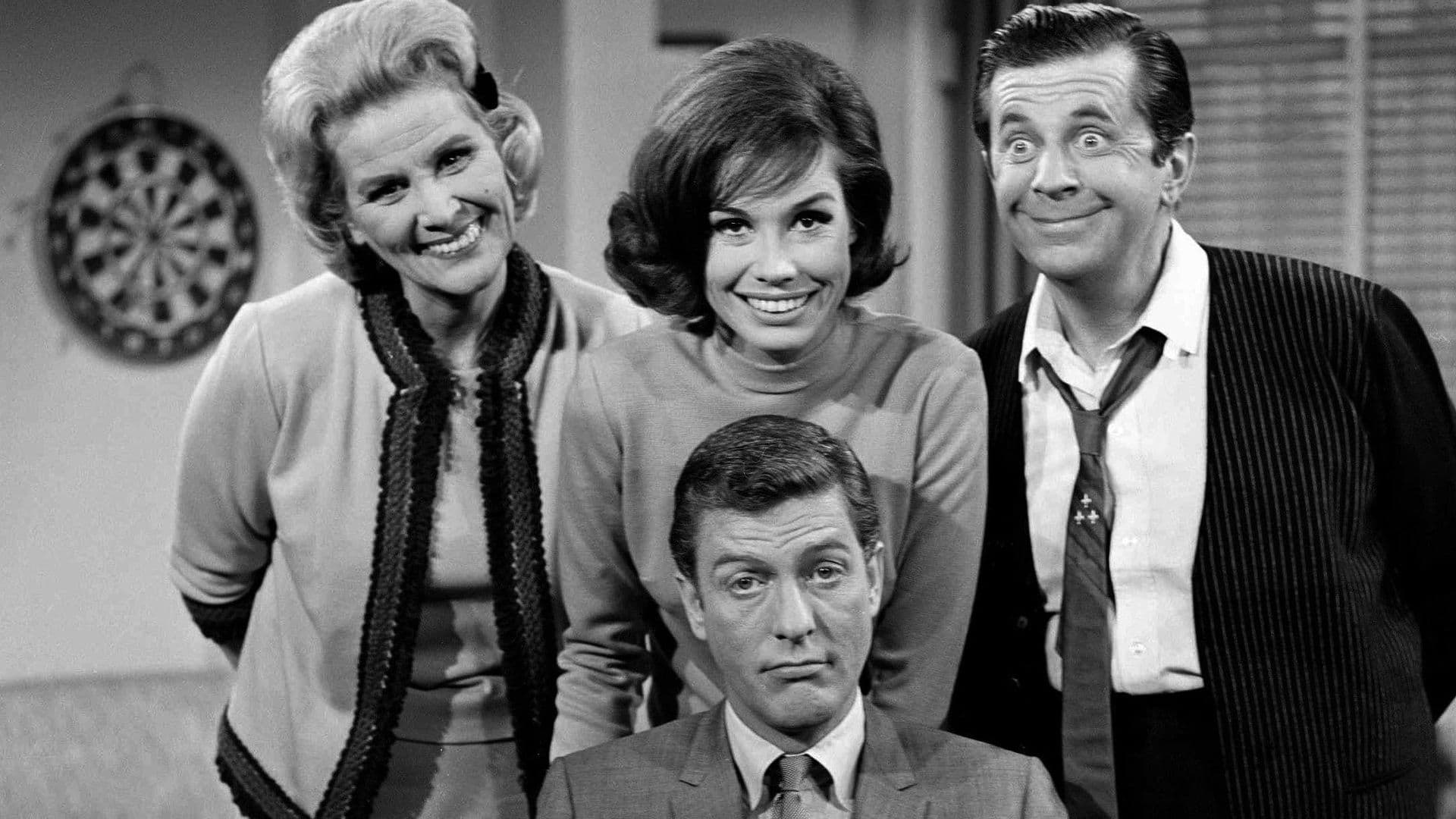
The Dick Van Dyke Show: Set in the 1960s, the show starred Dick Van Dyke as Rob Petrie and Mary Tyler Moore as Laura, showcasing a humorous take on domestic life and work balance, all while crafting a narrative that encapsulated the era’s familial dynamics.
Ending or Latest Episode Explained
While every series on this list has long since ended, their legacies continue in different forms. Star Trek, for instance, has spawned numerous films and spin-off series, exploring new generations and continuing to expand its universe. The other series, although concluding decades ago, have left us with timeless episodes that still resonate with contemporary audiences.
The Twilight Zone especially remains relevant, as many episodes can easily fit into today's discussions about technology, ethics, and society.
What Could Happen Next
Although these shows are relics of the past, their stories and themes urge creative minds to explore reboots or continuations in new formats, like animated adaptations or modern reimaginings. Fans often discuss potential storylines that could tie into current social issues, reflecting the foundational elements of the originals.
For instance, a reboot of Star Trek could enhance its portrayal of diversity, adapting its narrative to address contemporary discussions about racial, gender, and environmental issues, while still keeping its core themes intact. Similarly, The Twilight Zone could explore today's technological anxieties in a compelling anthology format, just as it did in the past.
Why This Is Trending
Nostalgia plays a significant role in the resurgence of interest in '60s television. As audiences seek comfort in familiar stories during uncertain times, classic television has become a fascinating exploration of simpler storytelling amid complex social issues. Shows from the '60s, rich with innovative concepts and cultural reflections, have found their way back into the spotlight through streaming platforms, offering accessibility to a new generation who might have missed them the first time around.
Furthermore, when discussing diversity and inclusion in entertainment, many refer back to Star Trek's trailblazing casting choices and progressive messages. This dialogue continues to evolve, prompting ongoing discussions in today's media landscape about representation and inclusivity that echo the very principles these shows championed decades ago.
Final Thoughts
In conclusion, the '60s produced a remarkable array of television series that not only entertained audiences but also challenged perceptions and provided social commentary. As we continue to reflect on the past while navigating the present, these shows remain significant touchstones in popular culture. Their messages resonate as strongly today as ever, and they continue to inspire new generations of creators and viewers alike. Whether you’re revisiting these classics or discovering them for the first time, there’s no denying the timeless appeal of these iconic shows from the '60s. So, grab your remote and immerse yourself in the brilliant narratives that shaped television history.
As we’ve seen, exploring classic TV is more than just a trip down memory lane; it’s about understanding the roots of today’s storytelling and what we value in entertainment. Happy watching!


